Contents:
- What Makes Wisteria Bloom in the First Place?
- Top Reasons Your Wisteria Has No Flowers
- Your Vine Is Simply Too Young
- You’re Pruning Wrong — Or Not at All
- Too Much Nitrogen
- Not Enough Sunlight
- Frost Damage to Flower Buds
- Root Restriction — The Surprise Trigger
- Practical Steps to Get Your Wisteria Flowering This Year
- FAQ: Wisteria No Flowers
- Why does my wisteria have lots of leaves but no flowers?
- How long does wisteria take to flower for the first time?
- Should I cut back wisteria to encourage flowering?
- Can wisteria flower in partial shade?
- What fertilizer makes wisteria bloom?
- Your Next Step
Wisteria no flowers is almost always caused by one of four things: too much nitrogen fertilizer, not enough direct sunlight, a vine that’s too young to bloom, or skipped pruning. Fix the most likely culprit first — usually pruning — and you can expect blooms within one to two seasons.
You’ve waited patiently, watched your wisteria grow into a gorgeous, leafy curtain of green — so why are there no flowers? You’re not alone, and you’re almost certainly not doing anything wrong. Wisteria can be a little dramatic about blooming, but once you understand what it actually needs, you can coax it into one of the most spectacular flowering displays in any garden.
Let’s clear something up right away: wisteria wants to flower. That’s its whole goal. When it doesn’t, it’s usually sending you a very specific message. This article will help you decode it.
What Makes Wisteria Bloom in the First Place?
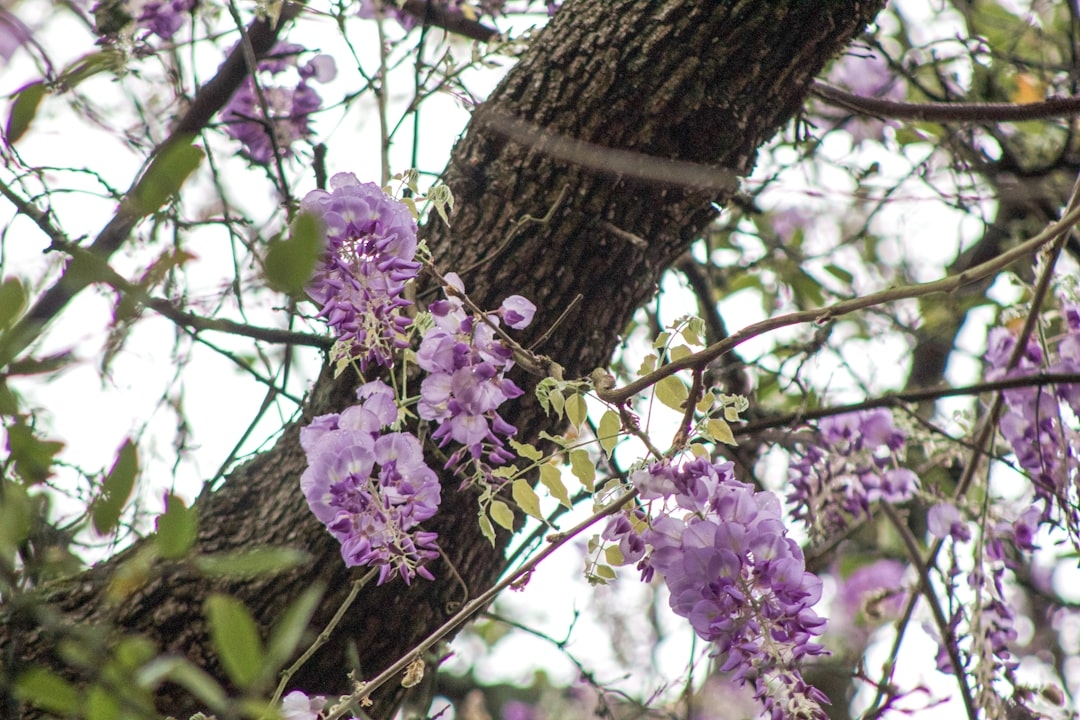
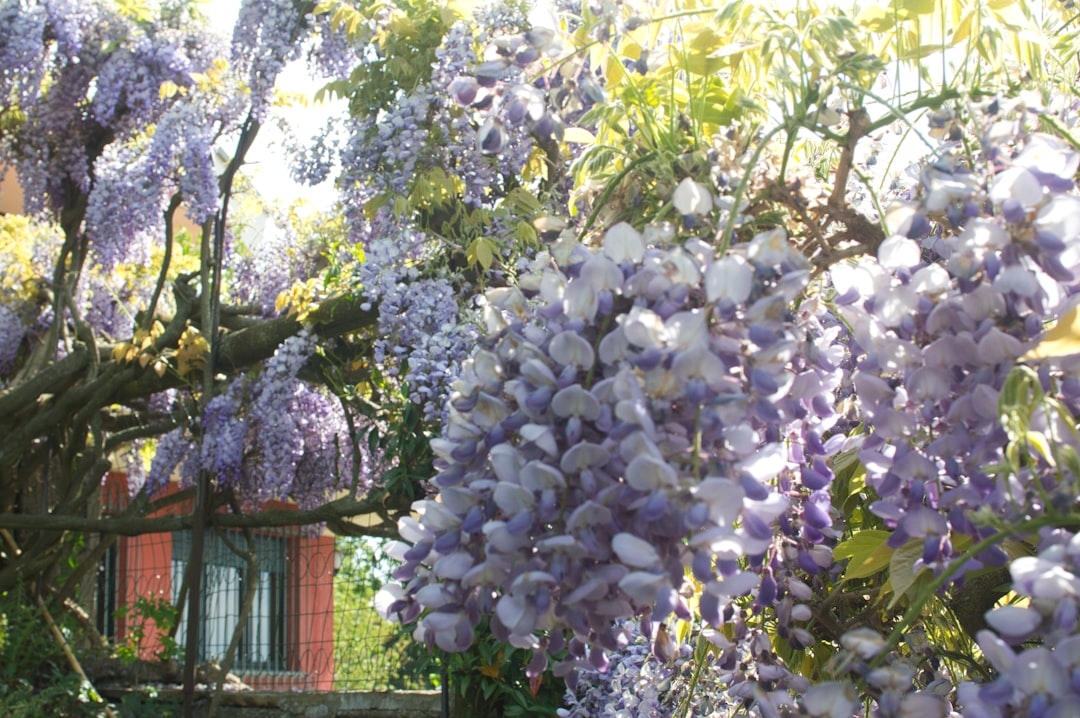
Wisteria (genus Wisteria) is a vigorous climbing vine native to East Asia and North America. The most popular species in US gardens are Wisteria sinensis (Chinese wisteria) and Wisteria floribunda (Japanese wisteria), both of which produce those iconic cascading clusters of purple, lavender, or white blooms called racemes.
Here’s the key thing beginners need to know: wisteria blooms on short lateral shoots — called spurs — that develop on older wood. If those spurs never form, or if the plant keeps pouring its energy into leafy new growth instead, you’ll get a beautiful vine and zero flowers. Everything comes down to steering that energy in the right direction.
Top Reasons Your Wisteria Has No Flowers
1. Your Vine Is Simply Too Young
Patience is genuinely the first fix. Wisteria grown from seed can take 10 to 15 years to bloom for the first time. Even nursery-grown plants grafted onto rootstock — which is what most garden centers sell — typically need 3 to 5 years before they flower reliably. If your vine went in the ground recently, it may just need more time to establish itself and reach maturity.
If you’re not sure whether your plant is grafted, look for a slight swelling or scar near the base of the main stem, just above soil level. That’s the graft union. A grafted plant will bloom much sooner than a seed-grown one.
2. You’re Pruning Wrong — Or Not at All
This is the single most common reason for wisteria no flowers, and the good news is it’s completely fixable. Wisteria needs two separate pruning sessions each year to produce those flowering spurs.
- Summer pruning (July–August): Cut back all the long, whippy new shoots to about 5 or 6 leaves from the base. This redirects energy toward spur development rather than leafy growth.
- Winter pruning (January–February): Go back to those same shoots and cut them down further, leaving just 2 to 3 buds. These stubby spurs are where your flowers will emerge in spring.
Skip either session and you’re essentially telling the plant to keep growing instead of flowering. Most beginners prune once in fall and wonder why nothing changes. Timing really matters here.
3. Too Much Nitrogen
Nitrogen is the nutrient that drives leafy, green growth. If your wisteria is getting lots of it — from lawn fertilizer runoff, compost high in manure, or well-meaning feeding with a general-purpose fertilizer — it will respond by producing beautiful, lush foliage and skipping flowers entirely.
Wisteria actually prefers lean, low-nitrogen soil. If you want to feed it, use a high-potassium fertilizer (look for the third number on the NPK label to be the highest — something like 0-10-10) in early spring. Potassium encourages flowering and fruiting rather than leafy growth. Avoid feeding with anything high in nitrogen at all.
4. Not Enough Sunlight
Wisteria is a sun lover. It needs a minimum of 6 hours of direct sunlight per day to set flower buds, and 8 hours is even better. A vine planted against a north-facing wall, or one that’s grown into the shade of a large tree, will produce plenty of green but hold back on blooms.
If your wisteria is in a spot that only gets partial sun, consider gradually training it toward a sunnier location over the next season or two, or pruning back surrounding plants that may be casting shade.
5. Frost Damage to Flower Buds
Wisteria sets its flower buds in late summer and fall for the following spring. A hard late frost — especially in USDA Hardiness Zones 4 and 5, where late freezes can hit in April — can kill those buds silently before you ever see a single bloom. The vine looks perfectly healthy, but the buds are gone.
If late frosts are common in your area, try covering the vine with a breathable frost cloth on nights when temps are forecast to drop below 28°F (-2°C) in early spring. It sounds fussy, but it can make the difference between a spectacular show and another flowerless season.
6. Root Restriction — The Surprise Trigger
Here’s something that surprises a lot of new gardeners: sometimes stressing the roots actually triggers wisteria to flower. Mature vines planted in very rich, loose soil with unlimited root run will sometimes just keep growing and growing without ever feeling the need to reproduce. Root restriction — planting near a wall, in a slightly confined raised bed, or even driving a spade around the root zone in late fall — can shock a stubborn plant into finally setting buds.
Professional gardeners at botanical gardens often use a technique called root pruning on reluctant wisteria. In late autumn, they push a sharp spade straight down into the soil in a circle about 18 inches from the main trunk, cutting through some of the lateral roots. It sounds harsh, but it mimics drought stress and sends a strong signal that it’s time to reproduce — which means flowers. Try it on a vine that’s been flowerless for three or more years despite good sunlight and correct pruning.
Practical Steps to Get Your Wisteria Flowering This Year
- Check your pruning schedule first. If you haven’t done both a summer and winter prune, start there. This alone fixes the problem for the majority of gardeners.
- Stop feeding with nitrogen. Switch to a 0-10-10 fertilizer applied once in early March, and don’t feed again until next year.
- Measure your sunlight. Use a free app like Sun Seeker to check how many hours of direct sun your vine actually receives. If it’s under 6 hours, that’s your answer.
- Check the vine’s age. If it’s under 3 years old and grafted, or under 7 years old if grown from a cutting, give it more time before worrying.
- Try root pruning in November if all else fails on a mature vine.
FAQ: Wisteria No Flowers
Why does my wisteria have lots of leaves but no flowers?
Too much nitrogen is the most likely cause. Excess nitrogen encourages leafy growth at the expense of flower production. Switch to a low-nitrogen, high-potassium fertilizer and cut back any lawn fertilizer use near the vine. Incorrect pruning is the second most common cause — make sure you’re doing both summer and winter pruning each year.
How long does wisteria take to flower for the first time?
Grafted nursery plants typically bloom within 3 to 5 years of planting. Wisteria grown from seed can take anywhere from 10 to 15 years. If your plant came from a garden center as a named variety in a pot, it’s almost certainly grafted and should bloom sooner.
Should I cut back wisteria to encourage flowering?
Yes — twice a year. Prune in summer (July–August), cutting new shoots back to 5–6 leaves. Then prune again in winter (January–February), reducing those same shoots to 2–3 buds. These short spurs are where flowers form. Skipping either round is a common reason wisteria won’t bloom.
Can wisteria flower in partial shade?
Wisteria can survive in partial shade, but it rarely flowers well with less than 6 hours of direct sunlight per day. If your vine is in a shadier spot, it will prioritize foliage growth over reproduction. Relocating or training it toward more sun is the best long-term fix.
What fertilizer makes wisteria bloom?
A high-potassium, low-nitrogen fertilizer — such as a 0-10-10 or tomato fertilizer — applied once in early spring encourages flowering. Avoid general-purpose or lawn fertilizers near wisteria, as their high nitrogen content promotes leaves over blooms.
Your Next Step
Pick the most likely culprit from this list and address it before this season is out. If your vine has never been properly pruned, start there — it costs nothing and the results can be dramatic within a single growing season. Grab your pruning shears, mark your calendar for both July and January, and switch out your fertilizer. Wisteria is genuinely worth the effort. When it finally blooms, you’ll understand why gardeners have been growing it for centuries.