Contents:
- Understanding Vinca: A Plant Built for Warmth
- Top Reasons Vinca Plants Turn Yellow
- Overwatering and Poor Drainage
- Nitrogen Deficiency
- Iron Deficiency (Interveinal Chlorosis)
- Fungal Disease — Aerial Phytophthora
- Root Rot from Pythium
- Spider Mites
- Seasonal Timeline: When to Watch
- Regional Differences That Affect Your Diagnosis
- Practical Fixes: Budget-First Approach
- FAQ: Vinca Plants Turning Yellow
- Why are my vinca leaves turning yellow but the stems look healthy?
- Can yellow vinca leaves turn green again?
- How often should I water vinca to prevent yellowing?
- Is yellowing vinca contagious to other plants?
- What fertilizer is best for yellow vinca plants?
Vincas have been brightening garden beds since the 18th century, when European botanists first catalogued Catharanthus roseus from Madagascar and marveled at its tenacity in harsh tropical conditions. Sailors and traders carried seeds across continents precisely because this plant was so forgiving. So when your vinca plants turning yellow stops you in your tracks, it feels almost personal — like a plant built for survival is sending you a distress signal. It is. And the good news is that signal is readable, once you know the language.
Understanding Vinca: A Plant Built for Warmth
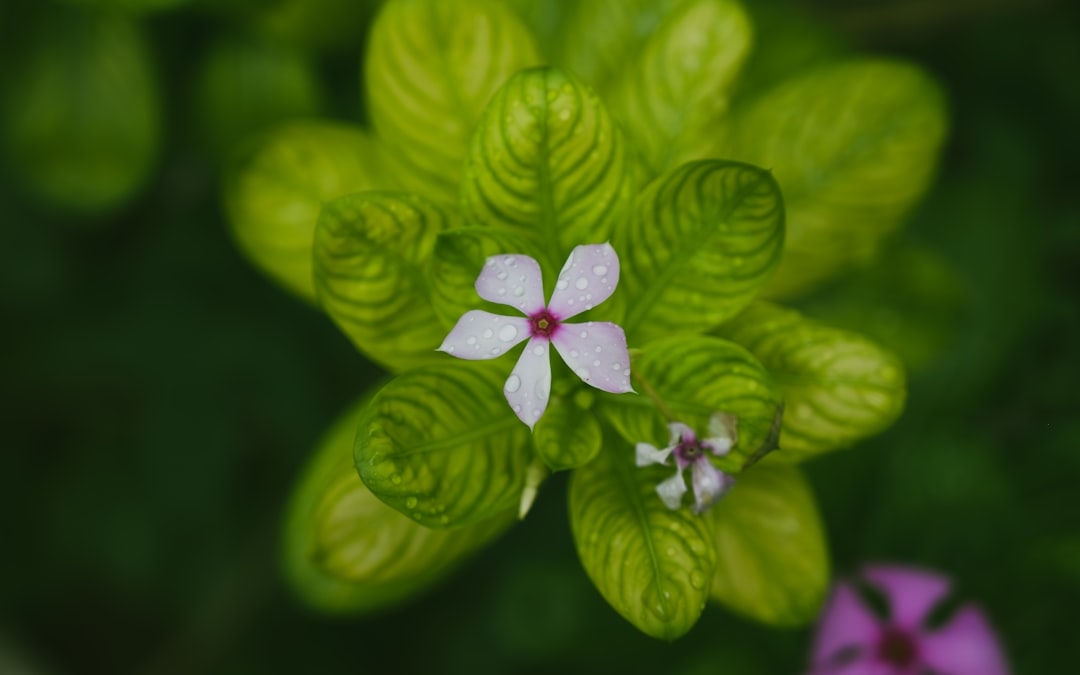
Vinca (most commonly Catharanthus roseus, also called annual vinca or Madagascar periwinkle) thrives in heat, full sun, and well-drained soil. It tolerates drought far better than it tolerates wet feet. That tropical heritage matters enormously when diagnosing yellowing, because nearly every cause traces back to conditions that conflict with those preferences.
Yellowing leaves — a symptom called chlorosis — occurs when leaves lose chlorophyll. The pattern of yellowing (which leaves, how fast, what color underneath) is your first clue. A systematic look at that pattern will point you toward the right fix without spending money on products you don’t need.
Top Reasons Vinca Plants Turn Yellow
1. Overwatering and Poor Drainage
This is the single most common cause of vinca plants turning yellow, especially for container gardeners. Vinca roots need oxygen. When soil stays saturated for more than 24–48 hours, roots begin to suffocate and lose their ability to uptake nutrients — even if those nutrients are present in the soil. Leaves yellow from the bottom up, and stems may feel soft at the base.
Check drainage immediately. If your container has no holes, that’s your problem. In garden beds, dig down 4–6 inches — soil should be moist but never muddy. Amend heavy clay soils with perlite or coarse sand at a ratio of 1 part amendment to 3 parts existing soil.
2. Nitrogen Deficiency
Nitrogen is the engine of leaf green. A deficiency shows as uniform yellowing of older, lower leaves first while newer growth stays green. This is especially common in containers, where frequent watering flushes nutrients out of the potting mix over time.
A balanced slow-release fertilizer (10-10-10) applied at the start of the growing season, then supplemented with a liquid feed like 20-20-20 every 3–4 weeks, keeps nitrogen levels stable without overfeeding. A bag of slow-release granules costs $10–$18 and covers most home gardeners for an entire season.
3. Iron Deficiency (Interveinal Chlorosis)
If the yellowing appears between leaf veins while the veins themselves stay green, you’re looking at iron deficiency — or more precisely, iron unavailability. Vinca struggles to absorb iron when soil pH climbs above 6.5. The iron is often present in the soil; the plant simply can’t access it.
Test your soil pH with an inexpensive meter ($10–$15 at any garden center). If pH exceeds 6.5, apply sulfur to acidify gradually, or use a chelated iron supplement, which remains available across a wider pH range. Results are typically visible within 2–3 weeks.
4. Fungal Disease — Aerial Phytophthora
Vinca is particularly susceptible to aerial phytophthora, a water mold that causes yellowing, wilting, and dark stem lesions. Unlike simple overwatering, phytophthora spreads between plants and won’t resolve with better drainage alone. Infected tissue rots quickly in humid conditions.
“I see aerial phytophthora most often in July and August when gardeners are watering overhead in the evening,” says Dr. Renata Hollis, Extension Horticulturist at Clemson University. “Always water at the base of the plant in the morning so foliage dries before nightfall. That single change prevents 80% of the fungal cases I diagnose.”
Remove and dispose of infected plants immediately — do not compost them. Apply a copper-based fungicide to surrounding plants as a preventive measure.
5. Root Rot from Pythium
Pythium root rot produces yellowing that often looks indistinguishable from overwatering because the mechanism is similar: roots can no longer function. Pull a struggling plant gently — if roots are brown, mushy, or smell sour rather than earthy, pythium is likely involved. There is no reliable cure once root rot is advanced. Replace the soil, treat the container with a diluted bleach solution (1 part bleach to 9 parts water), and start fresh with healthy transplants.
6. Spider Mites
In hot, dry conditions — particularly common on the West Coast and in the Southwest — spider mites stipple vinca leaves with tiny yellow dots that can merge into larger yellow patches. Look for fine webbing on leaf undersides. A strong blast of water from a hose dislodges most populations. For heavier infestations, insecticidal soap ($6–$9) applied every 5–7 days for three applications is effective and budget-friendly.
Seasonal Timeline: When to Watch
- April–May (planting time): Watch for transplant shock yellowing. Lasts 7–14 days and resolves on its own as roots establish.
- June–July: Peak growth period. Monitor for nitrogen depletion in containers. Begin liquid feeding if you haven’t already.
- July–August: Highest risk for fungal disease, especially in the humid Southeast and Mid-Atlantic. Reduce overhead watering.
- September: In the Northeast, cooler nights can trigger temporary yellowing as plants sense the end of season. Not a cause for alarm.
- Year-round (West Coast and Deep South): Spider mites and iron chlorosis are perennial concerns in alkaline soils and dry climates.
Regional Differences That Affect Your Diagnosis
Where you garden shapes which problem is most likely. In the humid Southeast — Georgia, Florida, the Carolinas — fungal diseases like phytophthora dominate the diagnostic list, particularly from June through September when heat and humidity peak simultaneously. Gardeners there should prioritize morning watering and airflow between plants.
In the arid West — California, Arizona, Nevada — alkaline soils push iron deficiency to the top of the suspect list. Soil pH above 7.0 is common in these regions, and vinca planted directly into native soil without amendment will almost always show interveinal chlorosis within a single season. A soil acidifier used at planting is a worthwhile $8 investment.
In the Northeast, the growing window is shorter and overwatering during cool, wet springs is the leading culprit. Vinca planted before soil temperatures reach 60°F consistently will struggle and yellow regardless of care. Patience — and a soil thermometer — saves money on replacement plants.
Practical Fixes: Budget-First Approach
- Check soil moisture first — before buying anything, use your finger or a $5 moisture meter. This single step rules out overwatering immediately.
- Test soil pH — a $12 meter pays for itself within one season by preventing misdirected treatments.
- Adjust your watering schedule — water at the base, in the morning, only when the top inch of soil is dry. Costs nothing.
- Feed consistently — a $15 bag of slow-release 10-10-10 and a $10 bottle of liquid fertilizer covers most nutritional needs for an entire season.
- Remove diseased material promptly — don’t delay. Fungal problems compound quickly in warm weather.
FAQ: Vinca Plants Turning Yellow
Why are my vinca leaves turning yellow but the stems look healthy?
Yellow leaves with healthy green stems most often indicate a nutrient deficiency — usually nitrogen or iron — rather than a root or disease problem. Check your fertilization schedule and soil pH. If pH is above 6.5, iron uptake is likely impaired even if the plant looks structurally sound.
Can yellow vinca leaves turn green again?
Yes, but only if the underlying cause is corrected before the leaf tissue dies. Leaves yellowed from nutrient deficiency or temporary stress can recover their green color within 2–4 weeks of treatment. Leaves that have turned brown or papery will not recover and should be removed.
How often should I water vinca to prevent yellowing?
Water deeply when the top 1 inch of soil feels dry — typically every 2–3 days in summer heat for containers, and every 5–7 days for in-ground plants in well-drained soil. Frequency depends heavily on temperature, humidity, and sun exposure. Always check soil moisture rather than watering on a fixed schedule.
Is yellowing vinca contagious to other plants?
Yellowing caused by nutrient deficiency, overwatering, or pH imbalance is not contagious. However, fungal diseases like phytophthora and pythium can spread to nearby vinca and other susceptible plants through water splash and contaminated soil. Isolate and remove diseased plants immediately.
What fertilizer is best for yellow vinca plants?
Start with a balanced slow-release granular fertilizer (10-10-10 or 12-6-6) at planting. For actively yellowing plants, a water-soluble liquid fertilizer with micronutrients — including chelated iron — delivers results faster, typically within 1–2 weeks. Look for products labeled for flowering annuals at your local garden center.
The next time you spot a yellow leaf on your vinca, resist the urge to reach for a product before reaching for a diagnosis. Work through the checklist: moisture, drainage, pH, feeding schedule, disease signs. Most cases are solved with free fixes or a modest investment under $20. Catch the problem early in the season — ideally before late July — and your vinca can fully recover and bloom straight through first frost.