Contents:
- Why California Winters Are a Gardener’s Advantage
- Northern vs. Southern California: Key Differences
- The Best Winter Flowers for California Gardens
- Pansies and Violas
- Snapdragons (Antirrhinum majus)
- Stock (Matthiola incana)
- Calendula (Calendula officinalis)
- Primrose (Primula spp.)
- Iceland Poppies (Papaver nudicaule)
- A Common Confusion: Ranunculus vs. Anemone
- Practical Tips for Budget-Conscious Winter Planting
- What the Pros Know
- FAQ: Winter Flowers in California
- What flowers bloom in winter in California?
- Can I grow flowers year-round in California?
- What is the easiest winter flower to grow from seed in California?
- When should I plant winter flowers in California?
- Do winter flowers in California need protection from frost?
- Plan Now for a Winter Garden Worth Seeing
California hosts over 6,500 native plant species — more than any other state — and a surprising number of them bloom through the coldest months of the year. While gardeners in Boston are staring at frozen ground in January, a well-planned California garden can be erupting in color. Winter flowers in California aren’t a workaround or a compromise. They’re one of the most rewarding things you can grow.
The state’s mild, wet winters create conditions that many flowering plants genuinely prefer. Cool soil temperatures between 45°F and 65°F encourage root development without the stress of summer heat. Understanding which plants thrive in these conditions — and when to put them in the ground — is the difference between a garden that coasts and one that dazzles.
Why California Winters Are a Gardener’s Advantage
Most of California falls within USDA Hardiness Zones 9 through 11. That means average winter lows rarely drop below 20°F even in inland valleys, and coastal areas often stay above freezing entirely. Compare that to Zone 5 in the Midwest, where lows of -20°F make outdoor winter gardening essentially impossible without structures.
The state’s Mediterranean climate — wet winters, dry summers — mirrors the native range of dozens of flowering species from South Africa, the Mediterranean Basin, and South America. Those plants don’t just tolerate California winters. They thrive in them. October through February is their prime growing season, not their dormant one.
Northern vs. Southern California: Key Differences
A gardener in San Diego has meaningfully different conditions than one in Sacramento. San Diego (Zone 10b) rarely sees frost; nighttime lows in December average around 49°F. Sacramento (Zone 9b) does experience frost — sometimes hard frost — particularly in December and January. In the Bay Area, coastal zones like San Francisco stay mild, while inland areas like Livermore dip colder.
This matters when choosing varieties. Snapdragons, for instance, handle light frost well and are reliable across most of the state. More tender options like nemesia or diascia are safer bets in Southern California and coastal zones. For inland Northern California gardens, look for varieties rated to at least Zone 8.
The Best Winter Flowers for California Gardens
Pansies and Violas
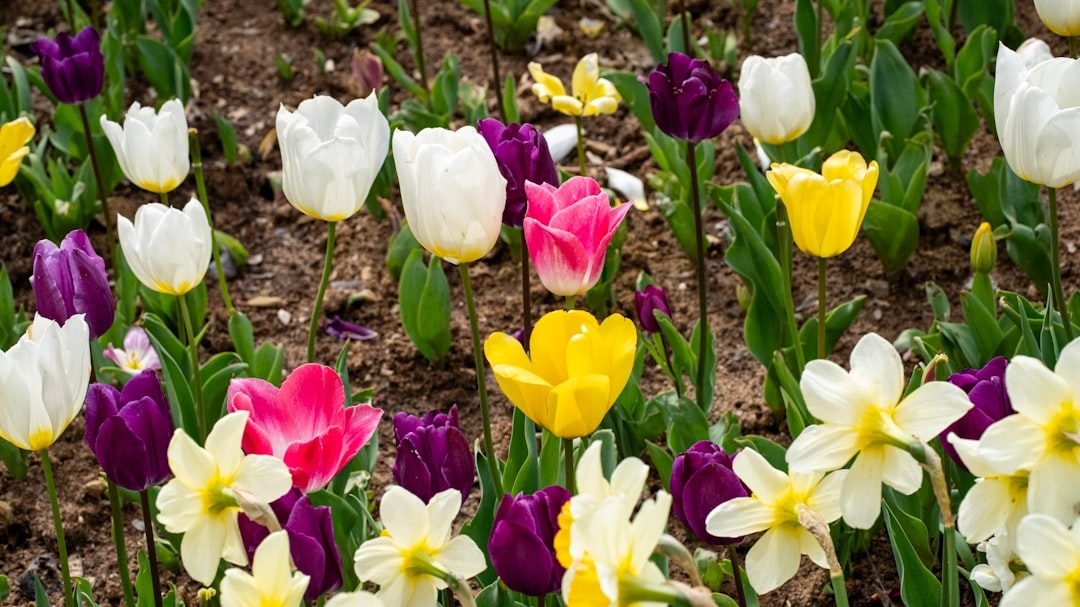
Few plants deliver more color per dollar in winter than pansies (Viola × wittrockiana) and their smaller cousins, violas. A six-pack from a nursery typically runs $3–$5 and will bloom continuously from October through April in most California climates. Plant them 6 to 8 inches apart in full sun or partial shade, and they’ll form a solid mass of color within four to six weeks.
Pansies prefer soil temperatures below 65°F — exactly what California winters provide. They stall in summer heat, which is why many gardeners mistakenly write them off. Treat them as a seasonal annual, not a perennial, and they won’t disappoint.
Snapdragons (Antirrhinum majus)
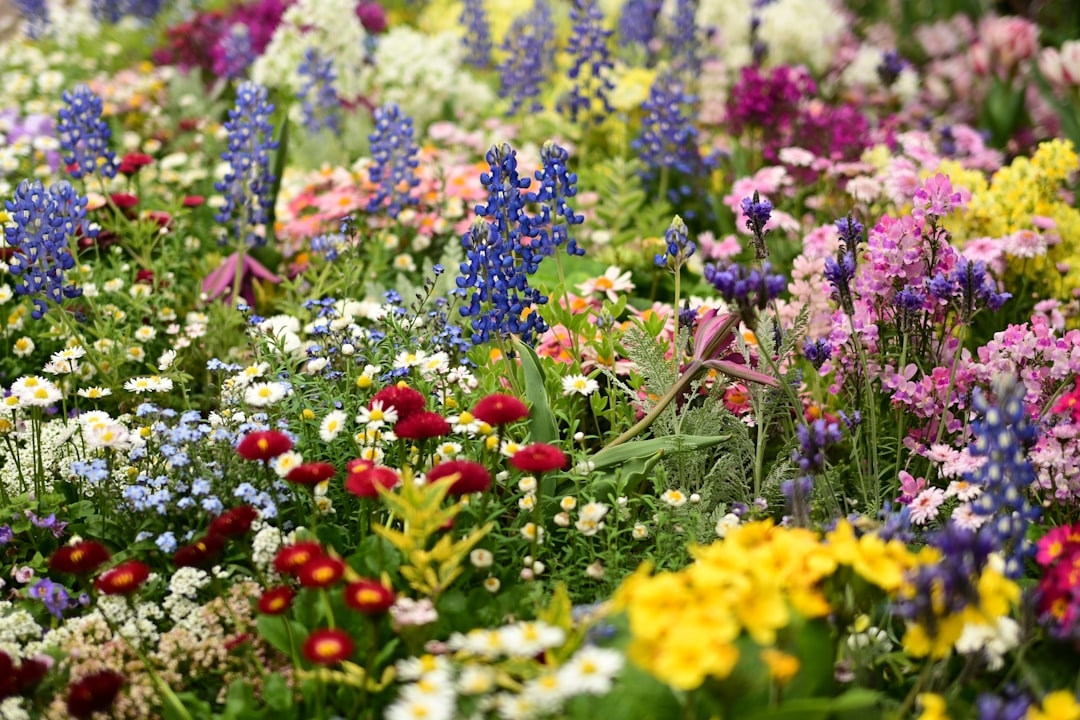
Snapdragons are the unsung workhorse of the California winter garden. Plant seeds or transplants in September or October and they’ll produce tall, fragrant spikes in white, red, pink, yellow, and bicolor through spring. They tolerate light frost down to about 28°F and actually bloom more vigorously in cool weather.
For cut flower use, choose tall varieties like ‘Rocket’ or ‘Madame Butterfly’ that reach 24–36 inches. Dwarf varieties like ‘Floral Showers’ work better in containers or borders. Deadhead spent blooms regularly to extend the flowering season by four to six weeks.
Stock (Matthiola incana)
Stock is one of those flowers that stops people in their tracks — not because of its looks, but because of its scent. A single planting of stock can perfume an entire section of garden on a cool morning. The flowers come in deep purples, soft pinks, creamy whites, and rich reds. Plants reach 12 to 30 inches tall depending on variety.
Direct sow seeds in September for winter blooms, or transplant nursery starts in October. Stock prefers well-drained soil and full sun. In Southern California coastal gardens, it often self-seeds and returns the following season with no extra effort.
Calendula (Calendula officinalis)
Calendula is perhaps the most budget-friendly option on this list. A single seed packet (around $2–$3) contains enough seeds to fill a 10-foot border. The bright orange and yellow daisy-like flowers bloom from fall through spring in California and are virtually pest-free.
Beyond ornamental value, calendula flowers are edible — they’re used in salads, teas, and as a saffron substitute. The petals have a mild, slightly peppery flavor. Plant in full sun and water regularly; they resent drought more than cold. Expect plants to reach 12–18 inches with blooms 2–3 inches across.
Primrose (Primula spp.)
Primroses are the go-to for shaded winter spots where other flowers struggle. They produce dense clusters of flowers in nearly every color imaginable — often with contrasting yellow eyes — and prefer morning sun with afternoon shade. In California’s winter light, even a north-facing bed can support a healthy primrose display.
Buy starts rather than growing from seed; primrose seeds require cold stratification and precise timing. A 4-inch nursery pot runs about $2–$4. They work beautifully in containers, window boxes, or as edging plants beneath deciduous trees.
Iceland Poppies (Papaver nudicaule)
Despite the name, Iceland poppies are perfectly suited to California winters. Their papery, translucent petals in shades of orange, red, yellow, white, and pink catch morning light in a way that few other flowers can match. They begin blooming in January or February and peak through March.
Sow seeds directly in the garden in September — they don’t transplant well due to a taproot. Thin seedlings to 6 inches apart. Plants reach 12–18 inches and are extremely drought-tolerant once established. Don’t overwater; soggy soil is their only real enemy.
A Common Confusion: Ranunculus vs. Anemone
Ranunculus and anemone are both cool-season bulbs planted in fall for winter and spring blooms, and they’re often stocked side-by-side at nurseries. The confusion is understandable — both produce jewel-toned flowers on long stems and thrive in California’s mild winters.
The key difference is structure. Ranunculus (Ranunculus asiaticus) produces densely layered, rose-like flowers with dozens of petals. Anemone (Anemone coronaria) has a simpler, open face with a bold dark center — more like a poppy. Ranunculus corms should be soaked 3–4 hours before planting; anemone corms can go in dry. Both prefer well-drained soil and full sun. If you want lush, peony-like blooms for cutting, choose ranunculus. If you want a wilder, meadow aesthetic, anemone is the better pick.
Practical Tips for Budget-Conscious Winter Planting
- Buy in bulk from seed: Calendula, stock, snapdragons, and Iceland poppies all grow reliably from direct-sown seed. A $3 packet beats a $4-per-plant nursery tray every time.
- Amend soil once, not every season: A single application of compost (2–3 inches worked into the top 6 inches) will improve drainage and fertility for multiple seasons. Bagged compost runs about $6–$10 for a 1-cubic-foot bag.
- Use drip irrigation or a soaker hose: California winter rain is inconsistent. A $15–$25 soaker hose on a basic timer eliminates guesswork and reduces disease by keeping foliage dry.
- Deadhead consistently: Removing spent blooms redirects the plant’s energy from seed production to new flowers. It costs nothing and extends the flowering season significantly.
- Mulch lightly: A 1-inch layer of straw or shredded bark insulates roots during cold snaps and suppresses weeds. Avoid thick mulch over crowns of small plants like pansies.
What the Pros Know
Professional cut flower growers in the Salinas Valley — California’s “salad bowl” region — plant snapdragons and stock as early as late August to hit peak bloom for holiday markets in November and December. Home gardeners can borrow this timing. Getting transplants in the ground six to eight weeks before you want blooms gives plants time to establish before the first cold snap. Don’t wait until November to plant; by then, you’ve already lost six weeks of potential growth. The best winter garden starts in early fall.
FAQ: Winter Flowers in California
What flowers bloom in winter in California?
Pansies, violas, snapdragons, stock, calendula, primrose, Iceland poppies, ranunculus, and anemones all bloom reliably during California winters. Most should be planted between September and November for peak winter and early spring color.
Can I grow flowers year-round in California?
Yes. California’s mild climate supports year-round gardening in most regions. Cool-season flowers like pansies and stock thrive in fall through spring; warm-season flowers like zinnias and marigolds take over in summer. With proper planning, something is always in bloom.
What is the easiest winter flower to grow from seed in California?
Calendula is the easiest. Direct sow seeds in September or October in full sun, water regularly, and expect blooms within 45–60 days. Seeds cost around $2–$3 per packet and germinate at soil temperatures as low as 50°F.
When should I plant winter flowers in California?
Plant most cool-season annuals between mid-September and early November. Bulbs like ranunculus and anemone go in October through December. Planting earlier gives plants time to establish before temperatures drop, resulting in stronger, longer-lasting blooms.
Do winter flowers in California need protection from frost?
It depends on location and plant type. Most cool-season annuals tolerate light frost (28°F–32°F) without damage. In inland Northern California valleys where harder frosts are possible, cover tender plants with frost cloth when temperatures are forecast below 28°F. Coastal and Southern California gardeners rarely need frost protection at all.
Plan Now for a Winter Garden Worth Seeing
The window to plant winter flowers in California is short but highly productive. A garden planted in September or October will be in full bloom by December — when most of the country has given up on outdoor color entirely. Start with one or two reliable choices like pansies and calendula, then expand each season as you learn what thrives in your specific microclimate.
Visit your local UC Cooperative Extension office or master gardener program for free, region-specific planting guides tailored to your county. Many offer free workshops in September and October — exactly when you need the information most.