Contents:
- Why Early Spring Flowers Bloom Before Most Plants Wake Up
- The Best Early Spring Blooming Flowers, By Month
- January–February: The True First Blooms
- March: Crocuses, Hellebores, and Early Daffodils
- April: Tulips, Hyacinths, and Muscari
- Planning an Event Around Early Spring Flowers
- Buying vs. Growing: What Makes Sense for Your Timeline
- Practical Tips for Maximizing Early Spring Blooms
- Layer Your Bulbs for Extended Color
- Know Your Zone’s Average Bloom Calendar
- Extend Vase Life on Cut Early Spring Flowers
- Frequently Asked Questions
- What is the very first flower to bloom in spring?
- What early spring flowers are best for a wedding or outdoor event?
- Can I force spring bulbs to bloom earlier indoors?
- How do I buy spring flowers locally if I missed the planting season?
- Do early spring flowers grow well in containers?
- Your Next Step: Build a Spring Bloom Calendar Now
In ancient Persia, the arrival of spring flowers was so culturally significant that the festival of Nowruz — the Persian New Year — was timed specifically around the blooming of the first flowers. Nobles would compete to be the first to bring the king a fresh spring bloom, a tradition dating back over 3,000 years. That instinct — to mark new beginnings with flowers — hasn’t changed much. Early spring blooming flowers still carry the same power: they signal renewal, set a mood, and for event planners and gardeners, they define what’s possible.
If you’re planning a spring wedding, an outdoor celebration, or simply want your garden looking spectacular before April ends, knowing exactly which flowers bloom when — and in which climate zones — is the difference between a stunning display and an empty flowerbed on the big day.
Why Early Spring Flowers Bloom Before Most Plants Wake Up
Early spring bloomers evolved a specific survival strategy: bloom fast, before the tree canopy closes and steals the sunlight. Most of these plants are geophytes — they store energy in bulbs, corms, or rhizomes underground all winter. When soil temperatures hit around 40–50°F, they activate. That’s why you’ll see crocuses poking through snow while your hostas won’t emerge for another six weeks.
This biology matters practically. These flowers don’t need warm air temps to bloom — they need cold stratification followed by a soil warm-up. In Zones 5–7 (covering most of the Midwest, mid-Atlantic, and Pacific Northwest), that window typically falls between late February and mid-April. Zone 8 gardeners in the Carolinas or Pacific Coast may see blooms as early as late January.
The Best Early Spring Blooming Flowers, By Month
January–February: The True First Blooms
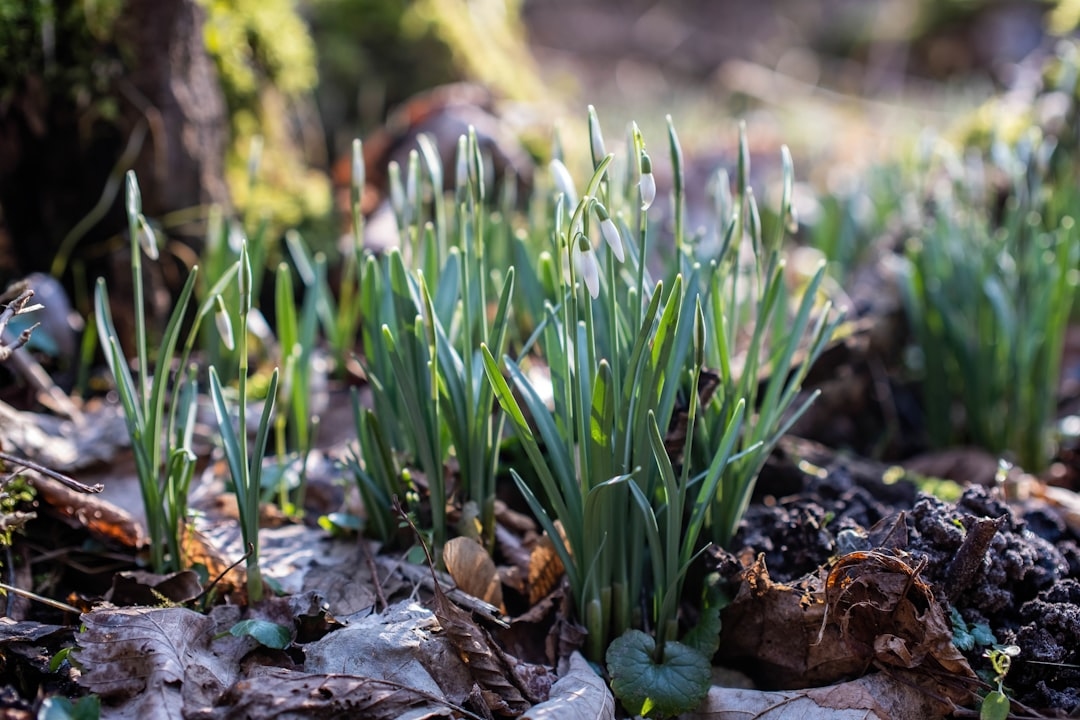
Snowdrops (Galanthus nivalis) are typically the first flowers to appear, often pushing through frozen ground in January in Zones 3–7. They top out at just 3–6 inches tall, but planted in drifts of 50 or more, they create a striking white carpet. Expect them to naturalize and multiply each year once established.
Winter aconite (Eranthis hyemalis) follows close behind — bright yellow, buttercup-like flowers that bloom in February even in Zone 4. They pair beautifully with snowdrops and cost roughly $8–$12 per 25 corms from most bulb suppliers.
March: Crocuses, Hellebores, and Early Daffodils
Crocuses are the workhorses of March. Species crocuses bloom even earlier than Dutch hybrids and handle late snowfall without flinching. Plant ‘Tommies’ (Crocus tommasinianus) for earliest color — they open in shades of lavender and purple as early as late February in Zone 6. A planting of 100 corms runs $15–$25 and covers roughly 10 square feet.
Hellebores (Helleborus orientalis) deserve more attention than they get. These shade-tolerant perennials bloom from February through April, producing nodding flowers in deep plum, cream, pink, and near-black. They’re exceptional for shaded event spaces or north-facing gardens where little else grows.
Early daffodil varieties like ‘February Gold’ and ‘Rijnveld’s Early Sensation’ push blooms in March, often 3–4 weeks ahead of standard King Alfred types. At $1–$2 per bulb, daffodils are one of the highest-value early bloomers for the cost.
April: Tulips, Hyacinths, and Muscari
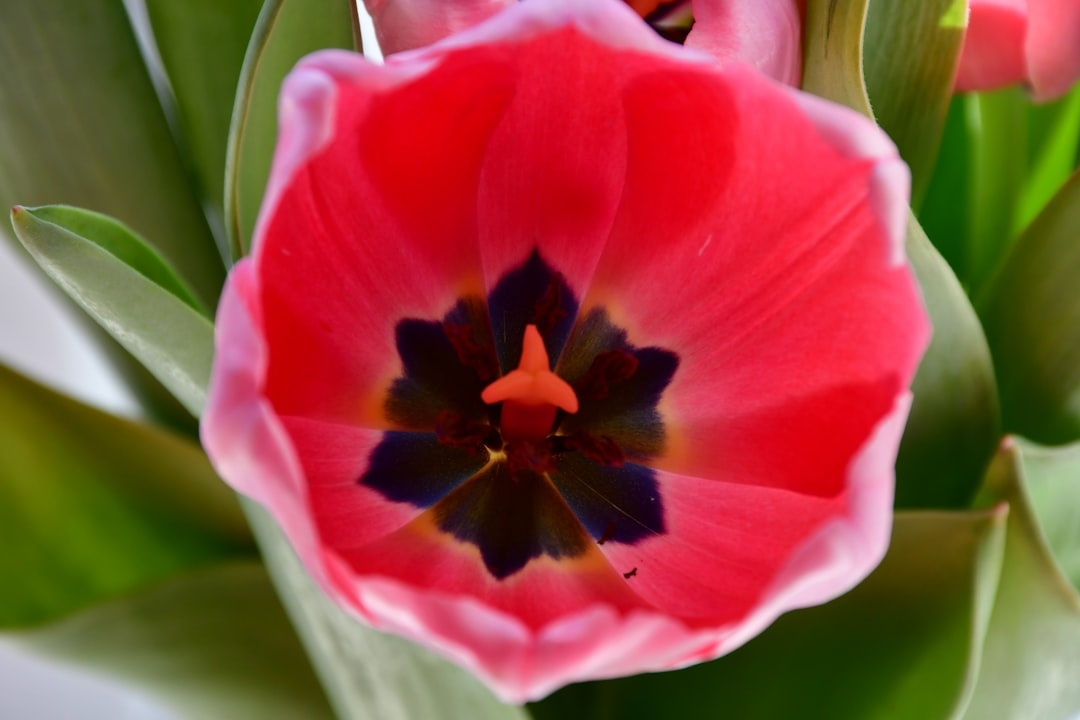
April is peak season for the most event-friendly blooms. Single early tulips like ‘Apricot Beauty’ and ‘Candy Prince’ open in early April and last 10–14 days in the garden. For events, tulips are best cut just as the bud shows color — they’ll open fully in the vase over 2–3 days and last 5–7 days total.
Hyacinths are the fragrance anchor of early spring. One hyacinth bulb produces enough scent to perfume a 10-foot radius. For events, plant them in clusters of 9–12 bulbs for maximum visual and aromatic impact. Colors range from deep indigo ‘Woodstock’ to pale blush ‘Fondant.’
Grape hyacinths (Muscari armeniacum) are the unsung heroes — tiny, cobalt-blue spikes that bloom for 3–4 weeks and naturalize aggressively. They’re perfect for edging, filling gaps, or creating a blue river effect between larger bulbs.
Planning an Event Around Early Spring Flowers
A reader named Claire, who organized her outdoor bridal shower in suburban Philadelphia, shared her experience: she booked her venue for the second Saturday of April expecting tulips and daffodils to be at peak. A cold March pushed bloom times back nearly two weeks, and her carefully planned tablescape relied on local flowers that simply weren’t open yet. She ended up sourcing from a wholesaler at $3.50 per stem instead of the $1.20 she’d budgeted from her garden. Her fix for next year? She now staggers three waves of bulbs — snowdrops, early daffodils, and mid-season tulips — so something is always in bloom across a 6-week window.
That lesson is practical gold. Weather variability in spring is significant. In Zone 6, average bloom dates can shift by 10–14 days year to year depending on February and March temperatures. Build a 2-week buffer into any event plan that relies on garden flowers.
Expert Tip: “For event clients, I always recommend a dual strategy — plant 60% of your desired flowers in the garden and source the remaining 40% from a local wholesaler two days before the event. That way, you have guaranteed color no matter what the weather does.” — Dana Howell, Certified Professional Horticulturist and floral designer with 18 years of experience, based in Nashville, TN
Buying vs. Growing: What Makes Sense for Your Timeline
Growing from bulbs requires a fall planting commitment — most spring bulbs must be planted 12–16 weeks before their bloom date, meaning September through November for spring flowers. Miss that window and you’re buying cut flowers at retail or wholesale prices come spring.
If you’re buying cut flowers for an event, here’s current pricing context (2026–2026 season averages):
- Daffodils: $0.75–$1.50/stem wholesale; $2–$4/stem retail
- Tulips: $1.00–$2.00/stem wholesale; $2.50–$5.00/stem retail
- Hyacinths: $1.50–$3.00/stem wholesale; $3–$6/stem retail
- Ranunculus: $2.00–$3.50/stem wholesale; $4–$8/stem retail
- Anemones: $1.50–$2.50/stem wholesale; $3–$6/stem retail
Ranunculus and anemones, though not bulb-grown in the traditional sense, are worth adding to this list. Both thrive in the cool temperatures of early spring and are grown commercially in California and Florida for nationwide spring availability. They photograph exceptionally well and hold in a vase for 7–10 days.
Practical Tips for Maximizing Early Spring Blooms
Layer Your Bulbs for Extended Color
The “lasagna method” of bulb planting puts late bloomers (tulips) at the deepest level — 8 inches down — followed by mid-season flowers (daffodils) at 6 inches, and early bloomers (crocuses, snowdrops) at 3–4 inches. All go in the same hole in fall. The result is a single bed that produces blooms from February through May in sequence, with no gaps.
Know Your Zone’s Average Bloom Calendar
- Zone 4 (Minnesota, Vermont): Crocuses late March, tulips mid-May
- Zone 5 (Chicago, Denver): Crocuses mid-March, tulips late April
- Zone 6 (Philadelphia, St. Louis): Crocuses early March, tulips mid-April
- Zone 7 (Atlanta, Dallas): Snowdrops January, tulips late March
- Zone 8 (Seattle, Savannah): Snowdrops late January, tulips early March
Extend Vase Life on Cut Early Spring Flowers
Keep tulips in cold water (below 50°F) overnight after cutting — this slows their natural tendency to curve toward light. Daffodils release a sap toxic to other flowers; condition them separately in water for 12 hours before mixing with a mixed arrangement. Hyacinths last longest when cut before the top third of florets opens.
Frequently Asked Questions
What is the very first flower to bloom in spring?
Snowdrops (Galanthus nivalis) are typically the first to bloom, often appearing in January or February even in cold climates (Zones 3–7). Winter aconite follows closely, with bright yellow blooms arriving in February.
What early spring flowers are best for a wedding or outdoor event?
Tulips, ranunculus, anemones, and hyacinths are the most event-friendly early spring flowers due to their vase life (5–10 days), color variety, and availability through wholesalers. Daffodils are garden-stunning but require separate conditioning before mixing with other stems.
Can I force spring bulbs to bloom earlier indoors?
Yes. Tulips, hyacinths, daffodils, and crocuses can all be forced indoors. Chill bulbs in the refrigerator for 12–16 weeks at 35–45°F, then pot them and bring them into warmth and light. Hyacinths are the most popular for forcing and will bloom in 3–4 weeks after chilling.
How do I buy spring flowers locally if I missed the planting season?
Contact local flower wholesalers (most require a minimum order of $50–$100 but sell to the public or event planners) or visit farmers markets in April and May. Grocery store tulips are often sourced from the same Dutch or domestic growers as florists and can be excellent value at $6–$12 per bunch.
Do early spring flowers grow well in containers?
Absolutely. Tulips, hyacinths, and daffodils all perform well in containers at least 10–12 inches deep. Use a well-draining potting mix and plant bulbs at the same depth as you would in the ground. Container-grown bulbs may need protection from hard freezes — move them to an unheated garage if temperatures drop below 20°F.
Your Next Step: Build a Spring Bloom Calendar Now
The single most effective thing you can do today — especially if you have an event coming up in spring — is map out a bloom calendar for your specific USDA zone. Write down your event date, count back 4 weeks, and identify which flowers should be at peak during that window. Cross-reference with a local nursery or extension service for regional timing accuracy.
If fall bulb planting is still possible (September through November in most zones), order now — early spring blooming flowers sell out fast, especially premium varieties. If spring is already here, call your nearest floral wholesaler this week. Most can fulfill same-week orders with 48 hours notice, and knowing what’s locally in season will get you the freshest stems at the best price.
Early spring doesn’t wait. Neither should your planning.