Contents:
- Why Fall Color Is Worth the Effort
- The Best Fall Flowers Until Frost, Ranked by Cold Tolerance
- Pansies — The Cold-Weather Champions
- Garden Mums (Chrysanthemums)
- Asters — Native and Underrated
- Marigolds — Longer Season Than You Think
- Snapdragons — Cool Season Superstars
- Ornamental Kale and Cabbage
- Regional Differences: What Works Where
- Practical Tips for Getting the Most Out of Fall Flowers Until Frost
- Plant Earlier Than You Think You Should
- Deadhead Aggressively
- Use Containers Strategically
- Mulch to Protect Roots
- Water Less, But Don’t Stop
- Frequently Asked Questions
- What fall flowers last the longest until frost?
- Can I plant mums in fall and expect them to come back next year?
- What are the best fall flowers for containers?
- How do I protect fall flowers from early frost?
- Do fall flowers need fertilizer?
- Building Your Fall Garden Plan
The air has that first hint of crispness. Morning light slants low and golden across the yard. Your summer annuals are fading fast — the petunias are leggy, the zinnias are done — and suddenly the garden looks a little forlorn. You’re not ready to give it up yet.
Good news: you don’t have to. A carefully chosen lineup of fall flowers until frost can keep your porch, beds, and containers looking intentional and alive right up until the season slams the door shut. The key is knowing which plants actually deliver — not just survive — in cooling temperatures, and matching them to your region and your goals.
Why Fall Color Is Worth the Effort
A lot of gardeners mentally check out after Labor Day. That’s a mistake. The fall window — roughly September through November depending on where you live — is one of the most rewarding times to garden. Pest pressure drops dramatically. Watering needs decrease. And the warm amber light of autumn makes every flower look like it belongs on a magazine cover.
The challenge is that not every flower tolerates the swings: warm afternoons followed by nights dipping into the 30s. The plants on this list are specifically chosen because they don’t just survive that — many actually prefer it.
The Best Fall Flowers Until Frost, Ranked by Cold Tolerance
Pansies — The Cold-Weather Champions
Pansies are arguably the toughest flowering annuals you can plant in fall. Established plants can survive temperatures down to 20°F, and they’ll bounce back from light frosts that turn other flowers to mush. They bloom prolifically in cool weather and slow down — but don’t stop — even as nights dip into the low 30s.
Plant them 6 to 8 inches apart in full sun or partial shade. For best results, choose a variety like ‘Matrix’ or ‘Delta’ bred specifically for cold tolerance. Expect to pay $3–$6 per 4-inch pot at most garden centers, or $18–$25 for a six-pack flat.
Garden Mums (Chrysanthemums)
Mums are the default fall flower for a reason. They’re reliable, colorful, and widely available in every shade from pale yellow to deep burgundy. Hardy mums (as opposed to florist mums) can tolerate frost down to about 28°F and will survive light freezes if mulched at the base.
The trick most people miss: buy mums with tight, unopened buds rather than fully open blooms. Open-bloom mums from the grocery store have often been forced and won’t last nearly as long. Buy from a nursery in early September and you can get 8 to 10 weeks of color.
Asters — Native and Underrated
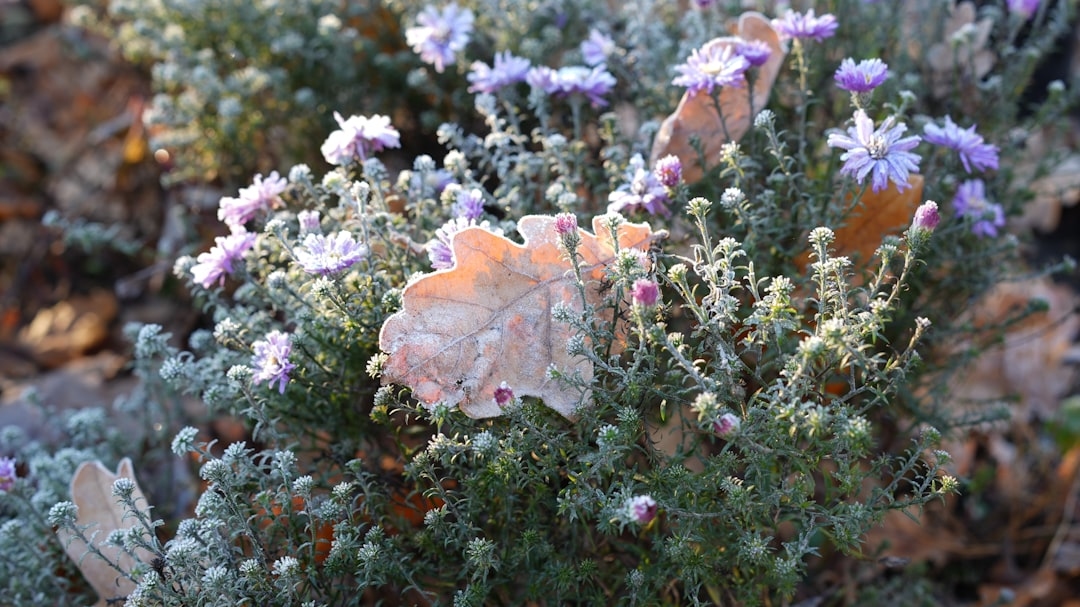
Asters are a native perennial that most gardeners overlook in favor of mums, which is a shame. New England asters (Symphyotrichum novae-angliae) burst into bloom in September and October, covering themselves in purple, pink, or white daisy-like flowers. They’re hardy to USDA Zone 4 and handle frost with no drama at all.
A mature aster plant can reach 3 to 4 feet tall and spread 2 feet wide — a real presence in the fall border. Pair them with ornamental grasses for a naturalistic look that doesn’t require any deadheading.
Marigolds — Longer Season Than You Think
Most gardeners think of marigolds as a summer flower, but African marigolds (Tagetes erecta) keep blooming enthusiastically well into October. They’re frost-sensitive — a hard freeze below 32°F will end them — but in mild fall climates they are truly relentless bloomers. Deadhead weekly and they won’t stop.
French marigolds are slightly more compact (6–12 inches) and tend to tolerate cool nights a little better than the taller African types. Both are deer-resistant and virtually pest-free in fall.
Snapdragons — Cool Season Superstars
Snapdragons are one of those plants that actively thrive in cold. They prefer temperatures between 40°F and 65°F — which means fall is essentially their ideal season. In mild climates they’ll bloom straight through November and beyond. Established plants handle light frost down to about 28°F.
Look for the ‘Rocket’ series for tall, impressive spikes (up to 36 inches) or ‘Montego’ for a compact 8-inch mounding habit perfect for containers.
Ornamental Kale and Cabbage
Technically not a flower, but ornamental kale earns its place here because it gets more beautiful after frost, not less. Cold temperatures deepen the pink, purple, and cream coloring dramatically. Plants are hardy to about 5°F and will look great through December in most of the country.
Use them as anchors in container arrangements alongside pansies and trailing ivy for a combination that will genuinely last until the holidays.
Regional Differences: What Works Where
Fall gardening isn’t one-size-fits-all. Your last frost date — and the pace at which fall arrives — varies enormously across the US.
- Northeast (Zones 5–6): First frost typically arrives between October 1 and October 20. Pansies and asters are your strongest bets. Plant mums by mid-September for the best show before a freeze ends the season abruptly.
- Southeast and South (Zones 7–9): You have until late November or even December before a hard frost. This is snapdragon and pansy territory — plant them in October and they’ll bloom straight through winter in many areas. Mums planted in September can rebloom after a cut-back.
- Midwest (Zones 5–6): Similar to the Northeast but with more wind and less predictability. Go heavy on cold-hardy mums and asters. Add ornamental kale as a frost-proof backup that carries you through October and November.
- West Coast (Zones 8–10): Frost may be nearly irrelevant in coastal California. Snapdragons, pansies, and even some marigolds can bloom year-round. Focus instead on pairing fall flowers with ornamental grasses for a seasonal feel even when temperatures stay mild.
- Mountain West (Zones 4–5): Your window is short — sometimes just six weeks between summer heat and a killing freeze. Plant in containers so you can move them under cover on cold nights. Pansies and compact mums are your most reliable choices.
Practical Tips for Getting the Most Out of Fall Flowers Until Frost
Plant Earlier Than You Think You Should
The single biggest mistake fall gardeners make is waiting too long. A mum planted in mid-October may only give you two or three weeks before frost ends the show. Plant in early to mid-September and you can realistically get 8 to 10 weeks of color. The same rule applies to pansies and asters.
Deadhead Aggressively
Marigolds, pansies, and snapdragons all benefit from regular deadheading — removing spent blooms before they go to seed. Do it every 5 to 7 days and you’ll dramatically extend the bloom period. Skip it and the plant shifts energy into seed production and slows down flowering.
Use Containers Strategically
Containers warm up faster than in-ground soil in fall, which gives roots a better environment in cooling weather. They also let you move plants under a covered porch or into a garage when a hard freeze threatens, potentially extending their season by 2 to 3 weeks. Use a well-draining potting mix and add a slow-release fertilizer at planting.
Mulch to Protect Roots
A 2- to 3-inch layer of shredded bark or straw mulch around the base of mums and asters can make the difference between a plant that survives a 28°F night and one that doesn’t. Apply it after the first light frost to insulate the roots without trapping excess moisture.
Water Less, But Don’t Stop
Cooler temperatures mean less evaporation, so your fall plants need less frequent watering than summer ones. But don’t stop entirely — drought-stressed plants are far more vulnerable to frost damage. Water deeply once a week unless you’ve had significant rainfall.
Frequently Asked Questions
What fall flowers last the longest until frost?
Pansies and ornamental kale are the most cold-tolerant, surviving temperatures down to 20°F and 5°F respectively. Hardy mums and asters are close behind, tolerating frost to around 28°F. For longest season performance, plant a combination of all three for overlapping bloom times from September through November.
Can I plant mums in fall and expect them to come back next year?
Yes, if you plant early enough — ideally by mid-September — so roots have time to establish before the ground freezes. Hardy mum varieties (look for the label “garden mum” or “hardy mum”) will overwinter in Zones 5 and warmer. Mulch heavily after the first frost for the best chance of return.
What are the best fall flowers for containers?
The best container combination for fall is ornamental kale as the centerpiece, surrounded by pansies or compact mums, with trailing ivy or sweet potato vine as a spiller. This combination is cold-hardy, visually balanced, and will look good from September through at least the first hard freeze.
How do I protect fall flowers from early frost?
Cover plants with a frost cloth or old bedsheet when temperatures are forecast to drop below 32°F. Remove it the next morning once temps rise above freezing. This simple step can protect most fall annuals from light frosts and extend your season by 2 to 4 weeks in most regions.
Do fall flowers need fertilizer?
Light fertilization helps, but go easy. Use a bloom-boosting fertilizer (higher phosphorus, like a 10-30-20 formula) once at planting. Avoid high-nitrogen fertilizers in fall — they push leafy growth rather than blooms and can make plants more frost-sensitive. One application at planting is usually sufficient for a 6 to 8 week fall season.
Building Your Fall Garden Plan
The most satisfying fall gardens aren’t accidents — they’re the result of a few deliberate choices made in late August or early September. Pick two or three plants from this list that match your zone and your light conditions. Mix heights: tall asters or snapdragons at the back, mums in the middle, pansies at the edges. Add ornamental kale as an anchor for containers.
Then step back and let the season do its work. The slanted autumn light, the cooling air, the morning dew — all of it makes these plants look better than they ever would in the full heat of summer. Your garden doesn’t have to fade out. Give it a proper finale.
Head to your local nursery this week — early September stock is always the best selection of the season, and it goes fast.