Contents:
- Why July Is a Peak Month for Blooms
- The Best July Flowers in Season Right Now
- Zinnias
- Dahlias
- Sunflowers
- Lisianthus
- Black-Eyed Susans (Rudbeckia)
- Other July Stars
- Quick Cost Breakdown: DIY July Bouquet
- Lisianthus vs. Peony: A Common Mix-Up
- Common Mistakes to Avoid
- Practical Tips for DIY Flower Growers
- Frequently Asked Questions
- What flowers bloom naturally in July in the US?
- Are peonies available in July?
- What are the easiest July flowers to grow for cutting?
- How do I keep July flowers fresh longer in a vase?
- Where can I buy in-season July flowers affordably?
- Plan Your July Garden Now — Even If It’s Already Summer
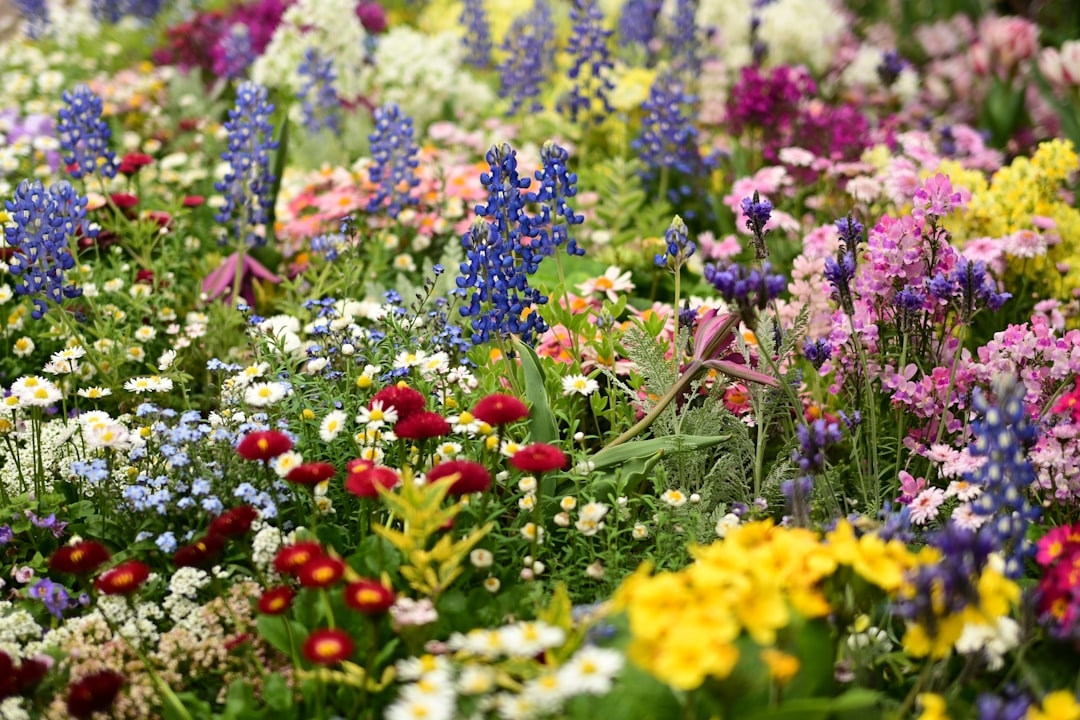
July is the peak of summer bloom season in the US — and there are over 400 species of flowering plants that reach their prime during this single month. That’s not a small window of opportunity. That’s an explosion. Whether you’re planning a backyard cutting garden, sourcing flowers for a DIY centerpiece, or just want to know what’s growing at your local farmers market, knowing your july flowers in season saves you money, effort, and a lot of wilted disappointment.
Why July Is a Peak Month for Blooms
In most of the continental US (USDA Hardiness Zones 4–9), July brings long daylight hours, warm soil temperatures, and enough accumulated heat for a wide range of annuals and perennials to hit their stride simultaneously. Daytime temperatures between 75°F and 90°F are ideal for many summer bloomers. It’s the sweet spot between the cooler spring flowers (tulips, peonies) finishing up and fall chrysanthemums not yet ready to open.
This overlap also means July is one of the best months to source locally grown, affordable flowers. Wholesale markets and farm stands are stocked to capacity, which drives prices down compared to off-season imports.
The Best July Flowers in Season Right Now
Here’s a breakdown of the most reliably available flowers in July across the US, with notes on where they grow best and what to expect at the stem.
Zinnias
Zinnias are July’s workhorse. They bloom prolifically in full sun and hot weather, producing 2–4 inch blooms in nearly every color except true blue. A single zinnia plant can produce 20–30 stems over a season. Direct-sow seeds in late May and you’ll have cutting stems by mid-July. At farmers markets, a bunch of 10 stems typically runs $6–$10.
Dahlias
Dinner-plate dahlias (those stunning 8–12 inch blooms) start opening in July in Zone 7 and above, and by late July even in Zone 5. They’re showstoppers for DIY arrangements. Expect to pay $3–$5 per stem at retail, or grow your own tubers from spring planting for a fraction of that cost — about $2–$8 per tuber, yielding dozens of stems.
Sunflowers
Standard sunflowers (Helianthus annuus) reach peak bloom 70–80 days after sowing. Planted in mid-April to early May, they’re perfectly timed for July harvest. A 5-stem bunch at a farm stand averages $5–$8. Branching varieties like ‘Lemon Queen’ give you multiple stems per plant.
Lisianthus
Often mistaken for peonies or ranunculus (more on that below), lisianthus blooms beautifully in July and holds exceptionally well in a vase — up to 2 weeks. It thrives in heat and is widely grown commercially in California and Texas. Retail price: $2–$4 per stem.
Black-Eyed Susans (Rudbeckia)
A native perennial that peaks in July across most of the US. Zero fuss, drought-tolerant, and bee-friendly. Stems run 18–24 inches, making them excellent for casual mixed bouquets. Cost at nurseries: $4–$7 per plant, which returns every year.
Other July Stars
- Echinacea (Coneflower) — native perennial, peaks mid-July, long vase life
- Lavender — reaches peak bloom in early July, especially in Zones 5–8
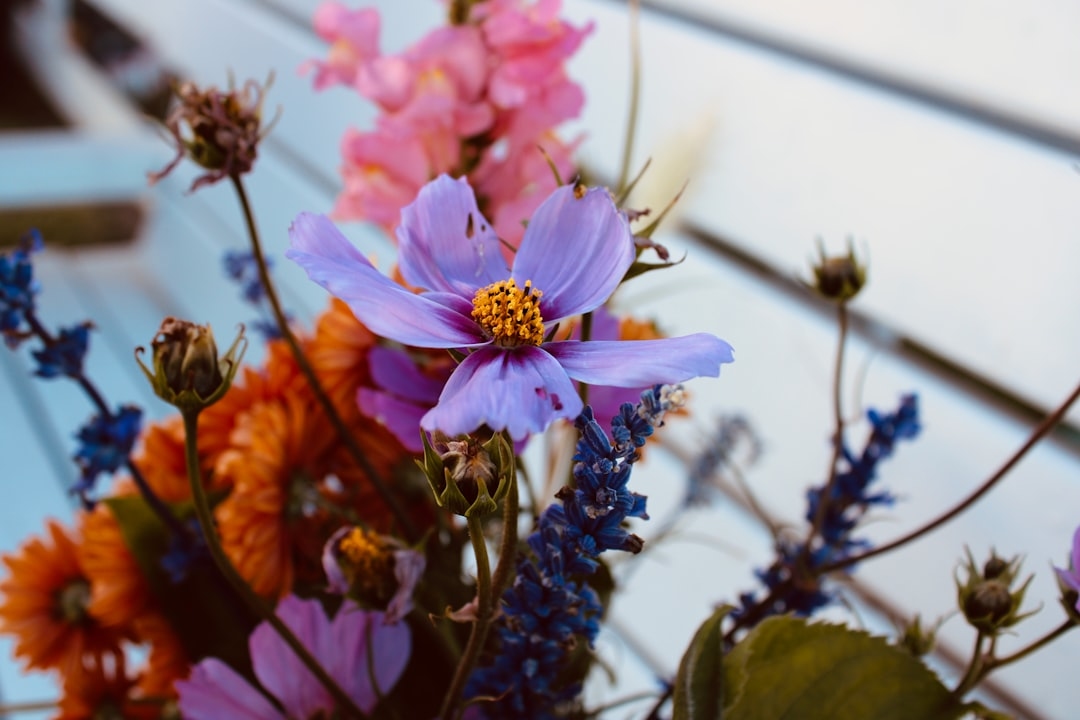
- Cosmos — feathery, airy filler flower, extremely productive in heat
- Yarrow (Achillea) — flat-topped clusters in yellow, white, and pink; dries beautifully
- Phlox — fragrant, old-fashioned, fantastic in cottage-style arrangements
- Globe Amaranth — clover-like blooms that dry perfectly for wreaths and arrangements
Quick Cost Breakdown: DIY July Bouquet
Building a lush, seasonal centerpiece from locally sourced July flowers is very achievable on a budget. Here’s a realistic estimate for a medium-sized arrangement (roughly 20 stems):
- Zinnias (8 stems) — $6
- Sunflowers (4 stems) — $6
- Black-eyed Susans (4 stems) — $5
- Cosmos filler (4 stems) — $3
- Total: ~$20 for a farmer’s market haul
Compare that to a florist-made summer arrangement of similar size, which typically runs $55–$85. Growing your own cuts that cost down to nearly zero after the first season investment in seeds ($1–$3 per packet).
Lisianthus vs. Peony: A Common Mix-Up
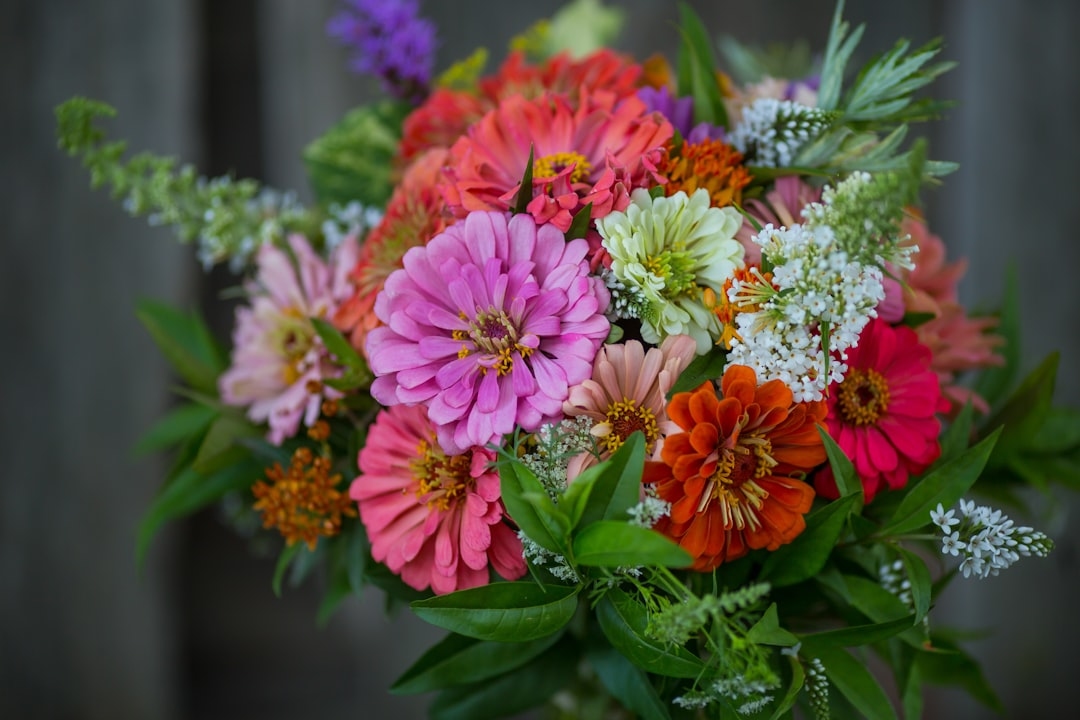
This one trips up a lot of DIY flower buyers. Lisianthus (Eustoma grandiflorum) is frequently confused with peonies at first glance — both have layered, ruffled petals and a lush, romantic look. The key difference: peonies are done blooming by late June in most US zones. If you see what looks like a peony at a market in July, it’s almost certainly lisianthus. That’s not a downgrade — lisianthus lasts 10–14 days in the vase compared to peonies’ 5–7 days, and costs significantly less ($2–$4 vs. $5–$12 per stem in July when peonies are out of season and imported).
Common Mistakes to Avoid
- Harvesting at the wrong time: Cut zinnias and sunflowers when only 1–2 outer petals have opened. Fully open blooms won’t last as long once cut.
- Skipping the water bucket: Bring a bucket of water to the garden. Stems that sit in air for more than a few minutes start to air-lock and won’t hydrate properly later.
- Mixing ethylene-producers: Keep sunflowers away from fruit bowls and away from other blooms in arrangements — they emit ethylene gas, which accelerates wilting in nearby flowers.
- Planting too late: Many July bloomers need 60–80 days from seed. If you’re planning a July cutting garden, seeds should go in no later than early May in most zones.
- Ignoring heat-stressed dahlias: In zones where July temperatures regularly exceed 95°F, dahlias may pause blooming. Plant them where they get afternoon shade, or choose heat-tolerant varieties like ‘Bishop of Llandaff’.
Practical Tips for DIY Flower Growers
If you want an abundance of cut flowers all July long, succession plant your zinnias and cosmos every 2–3 weeks starting in April. This staggers your harvest and prevents a feast-or-famine cycle where everything blooms at once. Even a 4×8 raised bed planted this way can yield 15–25 stems per week throughout July.
For conditioning cut stems, recut them at a 45-degree angle underwater, then place immediately in a clean vase with room-temperature water. Add a floral preservative packet (or a mix of 1 teaspoon sugar + 1 teaspoon bleach per quart of water). Change the water every 2 days. This alone can add 3–5 days to vase life.
Farmers markets are your best bet for variety and freshness. Most markets open Thursday–Saturday mornings, and the best selection goes fast — arrive within the first hour. Bring cash and a cooler bag for the drive home.
Frequently Asked Questions
What flowers bloom naturally in July in the US?
Zinnias, sunflowers, dahlias, black-eyed Susans, coneflowers, lavender, cosmos, yarrow, phlox, and lisianthus are among the most common flowers in bloom naturally in July across US hardiness zones 4–9.
Are peonies available in July?
Domestic peonies typically finish blooming by late June in most US zones. Any peonies sold in July are usually imported (from Chile or the Netherlands) and will cost significantly more — often $8–$15 per stem. Lisianthus is a nearly identical-looking, more affordable July alternative.
What are the easiest July flowers to grow for cutting?
Zinnias and sunflowers are the easiest July cut flowers to grow from seed. Both are direct-sow, heat-loving, and highly productive. A single zinnia plant can yield 20+ stems per season with regular harvesting.
How do I keep July flowers fresh longer in a vase?
Recut stems at a 45-degree angle, place in clean water with a floral preservative, keep out of direct sunlight and away from fruit, and change the water every 2 days. Proper conditioning at harvest time is the single biggest factor in vase longevity.
Where can I buy in-season July flowers affordably?
Local farmers markets, roadside farm stands, and wholesale flower markets (open to the public in most major US cities) offer the best pricing on seasonal July blooms. Trader Joe’s and Whole Foods also stock locally grown seasonal flowers at competitive prices during peak summer months.
Plan Your July Garden Now — Even If It’s Already Summer
If July is already here and your garden isn’t planted yet, don’t write off this season. Fast-growing annuals like zinnias and cosmos can go from seed to bloom in as little as 50–60 days — meaning a mid-July sowing still gets you flowers in September. And right now is the perfect time to shop your local farmers market, note which flowers you love, and order bulbs or seeds for next year’s cutting garden. Dahlia tubers ordered in fall for spring planting are significantly cheaper than spring purchases — often 30–50% less. Start a running list. Next July, your garden will thank you for it.