Contents:
- Why Fragrance Matters More Than You’d Think
- Understanding Rose Fragrance Types
- Old Rose Fragrance
- Tea Rose Fragrance
- Fruity and Musky Fragrances
- Spiced and Herbal Notes
- The Best Fragrant Varieties for Different Growing Conditions
- Fragrant Roses for Southern and Tropical Climates
- Fragrant Roses for Northeast and Cool Climates
- Fragrant Roses for West Coast and Arid Climates
- Real-World Guidance: A Northeast Gardener’s Journey
- Step-by-Step: Choosing Your Fragrant Roses
- Step 1: Evaluate Your Climate Zone and Light Conditions
- Step 2: Visit Local Gardens and Nurseries During Rose Season
- Step 3: Identify Your Fragrance Preference
- Step 4: Create a Shortlist of Candidate Varieties
- Step 5: Consider Planting Location and Companions
- Step 6: Source Quality Plants
- Common Mistakes to Avoid
- Seasonal Considerations and Timing
- Sourcing and Where to Find Quality Fragrant Roses
- Beyond Individual Roses: Creating Fragrant Rose Gardens
- Care Tips for Maximum Fragrance Production
- Exploring Beyond Roses: Complementary Fragrant Flowers
- FAQ: Common Questions About Fragrant Roses
- Moving Forward With Fragrant Roses
The moment you step into a garden thick with rose fragrance, something shifts. That unmistakable sweetness doesn’t just fill the air—it fills you. It’s the reason gardeners have cultivated roses for centuries, why florists guard their best varieties, and why a single bloom can transport you to a grandmother’s garden you’ve never actually visited. Yet not all roses smell the same. Some varieties exhale barely a whisper of perfume, while others announce themselves from across the room. Choosing the right fragrant rose varieties transforms your home garden from merely beautiful to genuinely unforgettable.
Why Fragrance Matters More Than You’d Think
People often assume all roses smell wonderful. The reality is more complicated. Commercial rose breeding over the past 50 years has prioritized appearance, shelf life, and disease resistance over scent. Many popular modern roses produce little to no fragrance at all—a trade-off breeders made to achieve those perfect red petals or unusual colors. This means your search for a fragrant rose variety isn’t automatic. It requires intentional choices.
Fragrance serves a practical purpose beyond pleasure. Strong-scented roses indicate health and vitality. A rose that dedicates energy to producing oils and volatile compounds for scent is typically a vigorous plant. These varieties often have better disease resistance and longevity than their scentless cousins. When you choose fragrant roses, you’re typically choosing plants that will thrive in your garden.
The scent compounds in roses—called volatile organic compounds—vary dramatically by variety, season, and time of day. Some roses smell stronger in morning light, others release their fragrance in afternoon warmth. Understanding these patterns helps you plan where to plant for maximum enjoyment. Growing fragrant varieties near seating areas, entryways, or bedroom windows creates moments of genuine sensory pleasure that justify the gardening effort.
Understanding Rose Fragrance Types
Not all rose fragrance smells identical. Different varieties produce entirely different scent profiles, shaped by their genetics and heritage. Learning these categories helps you choose varieties that appeal to your personal taste rather than guessing based on color alone.
Old Rose Fragrance
Old garden roses, particularly damask and alba varieties, produce what experts call the classic “old rose” scent. This profile is deeply floral, sometimes with hints of spice, honey, or even wine-like qualities. Varieties like ‘Madame Isaac Pereire’ and ‘Constance’ deliver this rich, complex fragrance. If you’ve smelled Chanel No. 5 or other classic perfumes, you’ve encountered this scent family. Old rose fragrance tends to be strongest in morning hours and during cooler weather.
Tea Rose Fragrance
Tea roses carry a lighter, more delicate perfume often described as citrusy or fruity, with hints of green tea itself. These varieties originated in Asia and retain a distinctive character. ‘Lady of Shallot’ and ‘Patience’ exemplify this profile. Tea fragrance often strengthens in afternoon heat and tends to be more subtle than old rose scents, rewarding gardeners who pause to lean close and truly smell.
Fruity and Musky Fragrances
Some modern roses produce fruity notes—raspberry, apple, or cherry—sometimes blended with musky undertones. ‘Fragrant Cloud’ and ‘Mr. Lincoln’ fall into this category, offering bold, almost perfume-like scents. These varieties broadcast their fragrance generously, making them ideal for gardens where you want scent to be noticed without effort.
Spiced and Herbal Notes
Varieties bred from heritage lines sometimes carry spiced, clove-like, or herbaceous undertones. ‘Abraham Darby’ combines fruity tones with spiced notes. These complex fragrances appeal to gardeners seeking something beyond simple floral sweetness, offering layered scent experiences that change as you smell them.
The Best Fragrant Varieties for Different Growing Conditions
Your climate and growing conditions dramatically affect which varieties will thrive—and which will fail. A rose bred for humid, hot climates may languish in cool, dry regions. Rather than choosing varieties by scent alone, select from options suited to your specific location.
Fragrant Roses for Southern and Tropical Climates
Southern gardeners face heat, humidity, and intense sun. Traditional old roses struggle here, but certain varieties excel. ‘Lady of Shalott’ thrives in southern gardens, producing apricot-blend flowers with fruity fragrance even in July heat. ‘Constance’ performs beautifully in the South, rewarding heat-adapted gardeners with pink blooms and rich old rose scent. ‘Knock Out’ roses, while not traditionally known for fragrance, have fragrant varieties available, and they’re nearly unstoppable in southern conditions.
Southern climates present a genuine advantage for many gardeners. Heat intensifies fragrance compounds in certain varieties. What seems subtle in temperate regions becomes almost overwhelming in July sunshine. This means southern gardeners should prioritize varieties that won’t suffer mildew in humidity—a major concern. Ensure good air circulation around plants and choose disease-resistant varieties even if fragrance is your primary goal.
Fragrant Roses for Northeast and Cool Climates
Northern and northeastern gardeners enjoy cooler temperatures that preserve fragrance beautifully. Cold nights actually intensify volatile compounds in many roses, making northern gardens exceptional for scent. ‘Abraham Darby’ performs magnificently in cooler zones, producing large, fragrant apricot blooms reliably. ‘Gertrude Jekyll’ offers lush, traditional fragrance and hardy performance in zones 5-10. ‘New Dawn’ climbing rose combines fragrance with genuine cold hardiness, rewarding northeast gardeners with sweet scent from late spring through fall.
Northeast gardens receive another fragrance advantage: earlier morning light. Many fragrant varieties peak in morning hours, and northern gardens experience longer dawns. If you garden in New England or similar climates, site fragrant roses where morning light—and morning air—will carry scent to seating areas.
Fragrant Roses for West Coast and Arid Climates
West Coast gardeners benefit from long growing seasons and consistent temperatures. ‘Moonstone’ produces pale pink flowers with strong fragrance and exceptional disease resistance. ‘Generous Gardener’ delivers English rose charm with fragrance and repeating blooms from spring through fall. However, coastal gardens sometimes suffer from salt spray and wind—both challenges for fragrant varieties. Choose roses with sturdy stems and disease resistance suited to Pacific conditions.
Arid western climates require attention to irrigation. Stressed roses produce less fragrance, so consistent water is essential even in low-rainfall regions. Mulch heavily to conserve soil moisture, and consider installing drip irrigation. With proper water management, western gardeners can grow exceptional fragrant roses.
Real-World Guidance: A Northeast Gardener’s Journey
Three years ago, I inherited my parents’ Connecticut garden—overgrown, neglected, but showing glimpses of what it once was. Among the chaos sat a sprawling ‘Abraham Darby’ rose, planted decades earlier by my mother. That first spring, it produced enormous apricot-blend flowers with fragrances so potent I could smell it from inside the house with windows closed. That single rose changed how I thought about gardening. It demonstrated that fragrance wasn’t optional flourish—it was the entire point.
I began researching varieties suited to Connecticut’s zone 6 climate. I planted ‘Gertrude Jekyll’, ‘Lady of Shalott’, and ‘William Morris’. Some struggled the first year, but the survivors grew increasingly vigorous. By year three, I had multiple fragrant roses blooming from May through November. My parents now visit specifically to experience the garden’s scent. That experience taught me something critical: fragrant roses reward patience and proper variety selection. They don’t tolerate careless plant placement, but they repay attention generously.
Step-by-Step: Choosing Your Fragrant Roses
Step 1: Evaluate Your Climate Zone and Light Conditions
Before selecting varieties, understand your specific growing conditions. Check your USDA hardiness zone. Assess how many hours of direct sunlight your garden receives—fragrant roses typically need 6+ hours daily. Understand your regional humidity and disease pressures. A rose that smells incredible but can’t survive your climate wastes money and frustration.
Step 2: Visit Local Gardens and Nurseries During Rose Season
This single step prevents more mistakes than any other. Smell actual roses in your region during their peak bloom. Notice which varieties your local nurseries stock—they typically carry varieties proven to thrive nearby. Talk to local gardeners about their experiences. What works in my Connecticut garden may flounder in Atlanta or Phoenix. Local knowledge compresses years of trial-and-error into conversations.
Step 3: Identify Your Fragrance Preference
Do you love old rose scent with complex spice notes, or prefer light, delicate tea fragrance? Do fruity, musky varieties appeal to you? This is personal—no fragrance is objectively “best.” Spend time at botanical gardens or nurseries smelling different varieties. Save photos of any roses whose fragrance you adore. This reference collection becomes invaluable when researching specific varieties to plant.
Step 4: Create a Shortlist of Candidate Varieties
Based on your climate, light, and scent preferences, identify 4-6 varieties to research. Read detailed growing guides. Check disease resistance ratings. Verify they’re appropriate for your zone. Look for nurseries that specialize in these varieties in your region. Quality matters enormously—purchasing from specialized rose nurseries instead of big-box retailers dramatically improves your odds of success with fragrant varieties, which are often finickier than hybrid teas.
Step 5: Consider Planting Location and Companions
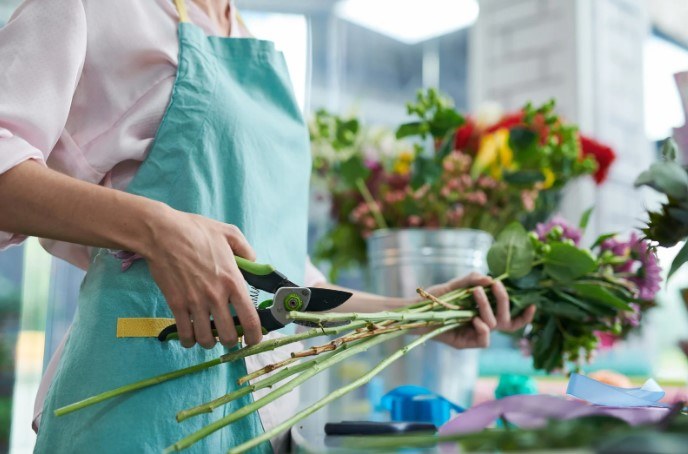
Fragrant roses deserve prime real estate. Place them near entryways, seating areas, or bedroom windows where you’ll actually experience their scent regularly. Avoid hidden corners where fragrance goes unappreciated. Plant them with companion plants that complement rather than compete—salvias, catmint, and ornamental grasses work beautifully. Consider a ‘flower bouquet of roses’ effect by grouping multiple fragrant varieties together for layered scent.
Step 6: Source Quality Plants
Don’t compromise on plant quality. Purchase from reputable rose nurseries or specialty growers. Compare prices carefully—extremely cheap roses are rarely bargains. Inspect plants for health before purchasing. Many specialty nurseries ship mail-order roses bare-root in spring, which often outperforms container-grown plants if you have the expertise to plant them properly.
Common Mistakes to Avoid
Even with research, gardeners make predictable errors when selecting fragrant roses. Learning from these mistakes saves frustration and expense.
Mistake 1: Choosing by color without verifying fragrance. The most stunning pink or red rose may have zero scent. Always verify fragrance quality before purchasing. Don’t assume beautiful appearance includes wonderful scent.
Mistake 2: Ignoring disease susceptibility. Many fragrant heritage roses are vulnerable to powdery mildew or black spot. If you’re in a humid climate, research disease resistance before selecting varieties. A gorgeous but perpetually diseased rose frustrates rather than delights.
Mistake 3: Planting in insufficient light. Roses need 6+ hours of direct sunlight daily for optimal fragrance production. A fragrant variety in shade produces minimal scent. Ensure your planting location has adequate light before installing plants.
Mistake 4: Neglecting soil preparation. Fragrant roses are often finicky about soil conditions. Poor soil leads to weak growth and minimal fragrance. Invest in soil testing and amendment before planting. Your roses will respond with vigorous growth and abundant scent.
Mistake 5: Underwatering during establishment. New roses must establish deep roots—this requires consistent moisture the first year. Stressed plants produce little fragrance. Water deeply 2-3 times weekly during the first growing season, tapering as plants mature and develop resilience.
Seasonal Considerations and Timing
Fragrant roses don’t smell equally throughout the year. Understanding seasonal patterns helps you plan for maximum enjoyment. Spring roses—May and June blooms—typically carry the strongest fragrance. Cool nights and moderate temperatures create ideal conditions for volatile compound production. Many gardeners find early morning spring blooms almost overwhelming in their intensity.
Summer roses are trickier. Heat actually intensifies fragrance in some varieties but can cause others to “fade” or produce thin scent. Afternoon shade can help preserve summer fragrance by keeping flowers from excessive heat. This is where southern and tropical gardeners gain advantage—heat is constant rather than stressed.
Fall roses often surprise gardeners with renewed vigor and fragrance. As temperatures drop in September and October, many varieties that struggled in summer heat produce their finest blooms. If you’re in a region with frost, enjoy fall roses as a second peak season before frost ends the season.
Sourcing and Where to Find Quality Fragrant Roses
Fragrant rose varieties aren’t always available at every big-box garden center. You may need to research specialty sources. Online rose nurseries often ship bare-root plants in early spring or containerized plants throughout the season. Local rose societies maintain lists of recommended varieties and sometimes propagate heritage roses. University extension services often have rose recommendations specific to your region.
Consider consulting a local florist in Miami or your region if you’re starting from scratch. Professional florists work with exceptional roses daily and can recommend fragrant varieties that thrive locally. They often have sources for plants you won’t find at ordinary nurseries. Building relationships with local flower professionals creates access to rare and exceptional varieties.
Online retailers like Knock Out Roses, David Austin Roses, and Heirloom Roses specialize in fragrant varieties and provide detailed growing information. Mail-order pricing sometimes seems high until you realize you’re purchasing a specifically selected, disease-resistant specimen with expert packing rather than whatever arrived at a big-box store.
Beyond Individual Roses: Creating Fragrant Rose Gardens
Once you’ve selected your first fragrant rose varieties, consider how multiple plants work together. A single fragrant rose delights, but a fragrant rose garden creates an immersive experience. Stagger bloom times by choosing varieties that peak in spring, summer, and fall. Layer different fragrance types—combine old rose, tea rose, and fruity varieties for complex scent gardens that reward multiple visits throughout the year.
Plant in clusters of three rather than random single plants. Grouped plantings create fragrance clouds that carry further than isolated specimens. A grouping of ‘Lady of Shalott’, ‘Gertrude Jekyll’, and ‘Abraham Darby’ creates layered fragrance and extended bloom time from late spring through first frost. These three varieties work together visually and aromatically, creating cohesive gardens rather than scattered specimens.
Consider vertical space. Climbing fragrant roses like ‘New Dawn’ or ‘Zephirine Drouhin’ reach 8-12 feet, scenting entire garden areas. A fragrant climbing rose on an arbor creates a sensory passageway. Visitors walking beneath fragrant blooms experience immersive scent in a way ground-level plantings cannot achieve.
Include other fragrant flowers alongside your roses. Lavender, gardenias, and jasmine extend the scent season and create layered fragrance gardens. However, avoid overwhelming combinations—too many competing scents becomes confusing rather than pleasant. Choose complementary fragrances that enhance rather than compete.
Care Tips for Maximum Fragrance Production
Once you’ve selected and planted fragrant varieties, specific care practices maximize scent production. Proper pruning encourages the vigorous growth that supports abundant flowers. Most fragrant roses bloom on new growth, so spring pruning—removing dead wood and shaping plants—initiates flowering cycles.
Fertilize appropriately. Roses are hungry plants, particularly fragrant heritage varieties that put energy into scent production. Use balanced fertilizers or rose-specific products. Monthly feeding during the growing season supports robust growth and abundant blooms. However, avoid excessive nitrogen, which produces foliage at the expense of flowers and fragrance.
Deadheading spent blooms triggers repeated flowering in many varieties. Remove faded flowers regularly to encourage plants to produce additional blooms—and additional fragrance. This simple practice extends the bloom season by 4-6 weeks in many varieties.
Water consistently. Stressed roses produce minimal fragrance. Provide 1-2 inches of water weekly during dry periods. Morning watering allows foliage to dry, reducing disease pressure. Mulch around plants to conserve soil moisture and keep roots cool.
Monitor for pests and diseases aggressively. Stressed plants produce weak fragrance. A rose infested with spider mites or suffering from black spot puts energy into survival rather than scent production. Regular inspection and prompt treatment of problems preserves plant vigor and fragrance output.
Exploring Beyond Roses: Complementary Fragrant Flowers
While roses are wonderful, expanding your fragrant garden to include other flowers creates richer olfactory experiences. Gardenias bloom in spring with intoxicating sweetness. Jasmine climbs arbors with delicate fragrance. Lavender, tulips, and peonies add their own scent profiles to gardens. Your local flower suppliers, such as those offering a https://mypeonika.com/collections/clematis-flower, often have recommendations for regional fragrant flowers that complement roses beautifully.
FAQ: Common Questions About Fragrant Roses
Q: Can I grow fragrant roses in containers?
A: Yes, many fragrant varieties thrive in large containers (20+ gallons). ‘Constance’, ‘Lady of Shalott’, and David Austin roses perform well in pots. Containers require more frequent watering and feeding than in-ground plantings, but give you flexibility in placement. Move containers to enjoy fragrance near seating areas.
Q: Why does my fragrant rose not smell as strong as the one I saw at a nursery?
A: Several factors affect fragrance intensity. Stress reduces scent production—ensure adequate light, water, and nutrients. Young plants (first year) produce less fragrance than established plants. Weather matters—cool mornings and moderate temperatures maximize fragrance. Time of day affects scent—check fragrance in morning hours when it’s typically strongest. Some varieties are temperamental and only perform well in specific climates.
Q: Are heirloom roses harder to grow than modern hybrids?
A: Heritage roses are sometimes finicky about disease resistance and soil conditions. However, many are surprisingly vigorous once established. Modern David Austin roses successfully blend heritage fragrance with improved disease resistance, offering excellent performance for less-experienced gardeners.
Q: How long before a newly planted fragrant rose produces strong scent?
A: First-year roses focus energy on root establishment rather than abundant blooms or strong fragrance. By year two, most fragrant varieties produce noticeably stronger scent. By year three, established plants typically reach their fragrance potential. Patience with young plants is rewarded with increasingly fragrant blooms.
Q: Can I use fragrant roses for cut flowers?
A: Absolutely. Fragrant roses make exceptional cut flowers. Cut blooms in early morning when fragrance is strongest. Cut flowers release fragrance in rooms for 7-10 days before fading. A flower bouquet of roses featuring fragrant varieties brightens homes while filling rooms with scent. Many florists offer fragrant rose bouquets specifically selected for home enjoyment.
Moving Forward With Fragrant Roses
Selecting fragrant rose varieties transforms gardening from a visual hobby into a multisensory experience. The right varieties, matched to your climate and conditions, reward you with years of blooms and fragrance. Start with one or two varieties suited to your region. Smell them regularly. Notice which fragrances genuinely delight you. Next spring, add another variety that appeals to your specific taste. Over time, you build a fragrant rose garden that becomes part of your home’s character.
The most fragrant garden isn’t built overnight. It develops gradually as you learn which varieties thrive in your specific conditions and which fragrances you’ll pause your day to experience. That gradual discovery—choosing varieties, watching them mature, smelling blooms across months and seasons—creates deeper satisfaction than instant, purchased gardens. Your future self, standing among mature, fragrant roses in full bloom, will thank you for the patience and attention you invest now.