Contents:
- Why Seasonal Flowers Matter for Your Event
- Top March Flowers in Season Right Now
- Tulips
- Ranunculus
- Daffodils and Narcissus
- Anemones
- Sweet Peas
- Hellebores
- Sustainable Flower Choices in March
- Practical Tips for Ordering March Flowers
- FAQ: March Flowers in Season
- What flowers are naturally in season in March in the US?
- Are peonies available in March?
- What is the cheapest flower in season in March?
- Can I get locally grown flowers in March?
- How far in advance should I order flowers for a March event?
- Plan Your March Arrangement with Confidence
Have you ever ordered flowers for an event only to discover your first-choice blooms cost twice as much as expected — or weren’t available at all? That’s the hidden cost of not knowing what’s actually growing when you need it. March sits in a sweet spot between winter’s tail end and spring’s full arrival, and the flowers naturally available during this month are some of the most romantic, versatile, and vibrant you’ll find all year. Understanding which march flowers in season are ready to cut and ship can save you money, reduce your carbon footprint, and make your arrangements look far more lush.
Why Seasonal Flowers Matter for Your Event
Florists source flowers from three places: local farms, domestic growers, and international suppliers — primarily Colombia, Ecuador, and the Netherlands. When a flower is in season locally or domestically, it travels fewer miles, arrives fresher, and costs significantly less. Out-of-season blooms might be flown in from South America, adding $0.50 to $2.00 per stem in freight costs alone — costs that quietly show up on your invoice.
March marks the beginning of the spring growing season across USDA Hardiness Zones 7–10, meaning California, the Pacific Northwest, parts of Texas, and the Southeast are already producing cut flowers in significant quantities. For event planners and couples, this is great news: spring’s most beloved blooms are becoming available just as winter flower prices start to drop.
“March is honestly one of my favorite months to source for,” says Elena Marchetti, Certified Master Florist and owner of Greenleaf Studio in Portland, Oregon. “Ranunculus are peaking, tulips are abundant, and clients get this gorgeous early-spring palette at a price point that’s often 20–30% lower than February.”
Top March Flowers in Season Right Now
Tulips
Tulips are the poster child of March. Dutch-grown tulips flood the wholesale market starting in late February, and by mid-March, domestic growers in Washington State and California are harvesting their own. A single tulip stem at a wholesale market typically runs $0.50–$1.25, making them one of the most budget-friendly options for large-scale events. They come in nearly every color except true blue, and varieties like ‘Parrot’ tulips add frilled, dramatic texture to arrangements.
Ranunculus
If tulips are practical, ranunculus are poetry. These tightly layered blooms — grown extensively in California’s Central Coast — peak from late February through April. A single ranunculus can have up to 100 petals, giving arrangements a lush, almost peony-like look at a fraction of the cost. Expect to pay $1.50–$3.00 per stem retail, with wholesale pricing dropping considerably for bulk orders. Coral, blush, white, and deep burgundy are the most widely available shades in March.
Daffodils and Narcissus
Cheerful and unmistakably spring, daffodils are at their natural peak in March across most of the US. Oregon and Washington are the largest domestic producers, and locally grown daffodils often reach flower markets within 24 hours of cutting. That freshness translates to a vase life of 7–10 days. One important note: daffodils release a sap that shortens the life of other flowers, so condition them separately for 12 hours before mixing into a mixed arrangement.
Anemones
Bold, graphic, and striking — anemones with their dark centers and poppy-like petals are a designer favorite in March. California-grown anemones are widely available from January through April. They photograph beautifully, which makes them a popular choice for wedding editorial work. Retail stems typically cost $2.00–$4.00 each. Deep purple and white are the most common, though red and bicolor varieties are increasingly available through specialty wholesale suppliers.
Sweet Peas
Delicate, fragrant, and with a nostalgic cottage-garden charm, sweet peas are a March specialty that many planners overlook. They have a short vase life — typically 4–6 days — so they’re best used for day-of arrangements rather than anything installed days in advance. Their soft tendrils add organic movement to bouquets that no other flower replicates. Available in soft pinks, lavenders, whites, and deep mauves.
Hellebores
Hellebores are the understated gem of early spring. Also called Lenten roses, they bloom naturally in March and bring a moody, downward-nodding elegance to arrangements. They’re harder to source commercially than tulips or ranunculus, so call your local specialty florist or check farmers’ markets. When you find them, use them — their muted purples, creamy whites, and dusky pinks are unlike anything else available this time of year.
Sustainable Flower Choices in March
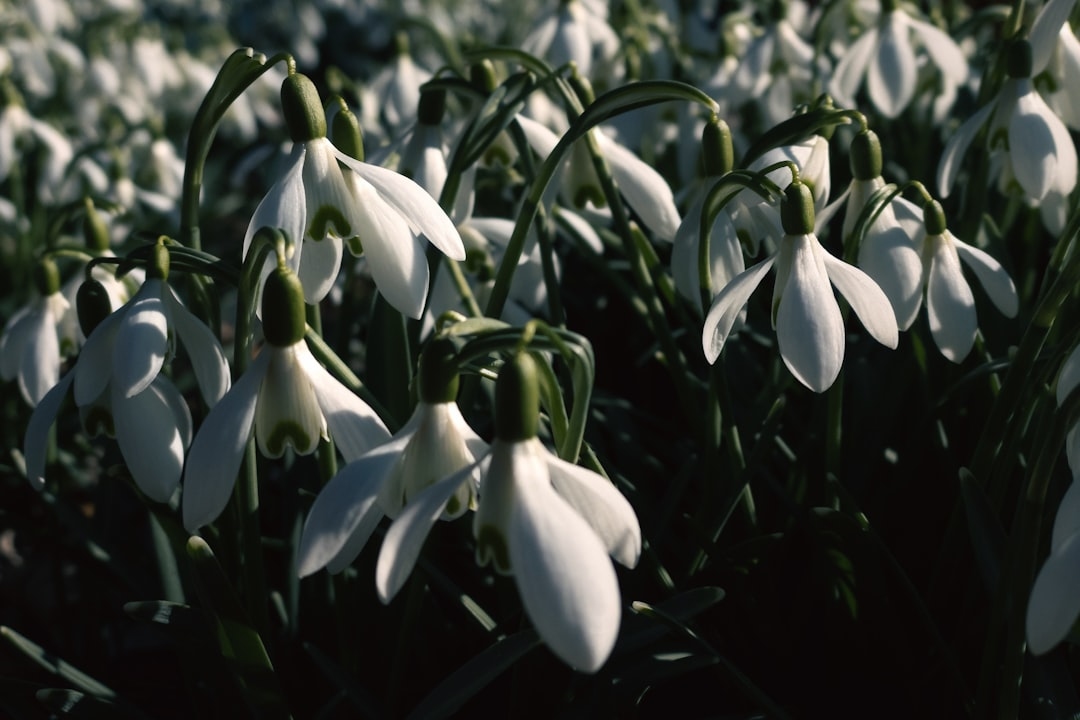
March is actually one of the best months to source sustainably. Domestic production is ramping up, which means you can meaningfully reduce your arrangement’s air miles by choosing US-grown tulips, daffodils, and ranunculus over imported alternatives. Look for the California Grown or Certified American Grown label when buying from wholesalers or requesting flowers through your florist.
Locally grown flowers also tend to arrive without the chemical preservatives applied to long-haul imports. If eco-conscious sourcing matters to you, ask your florist specifically where their March blooms are sourced — a good florist will know, and many are actively building relationships with regional farms. Some flower farms now offer CSA-style subscriptions where you pick up weekly seasonal bunches directly, eliminating all middlemen and packaging waste.
Practical Tips for Ordering March Flowers
- Book early for spring events. March is the lead-up to Easter and Mother’s Day, two of the highest-demand periods in the floral calendar. Place your order at least 3–4 weeks in advance for events in March or April.
- Ask for “market availability.” Instead of locking in a rigid flower list, give your florist a color palette and ask them to build around what’s freshest that week. This approach consistently produces better results and lower costs.
- Mix budget and premium stems. Pair affordable tulips or daffodils (filler role) with showstopper ranunculus or anemones. A $150 arrangement can look like $300 with thoughtful mixing.
- Check local farmers’ markets. In Zones 8–10, local growers are actively selling at markets by March. You’ll often find hellebores, sweet peas, and specialty narcissus varieties that never appear in traditional floral shops.
- Keep conditioning in mind. March flowers are fresh but sensitive to temperature swings. Store them away from heating vents, direct sunlight, and ripening fruit — ethylene gas from fruit dramatically shortens vase life.
FAQ: March Flowers in Season
What flowers are naturally in season in March in the US?
Tulips, ranunculus, daffodils, anemones, sweet peas, and hellebores are among the flowers most naturally in season in March across the US. Domestic production peaks in California, Oregon, and Washington during this period.
Are peonies available in March?
Peonies are not typically in season in March domestically. They begin appearing in late April and peak in May and June. Some imported peonies from New Zealand or Chile may be available in March, but expect to pay a premium — often $5–$9 per stem — for off-season availability.
What is the cheapest flower in season in March?
Tulips and daffodils are consistently the most affordable March blooms, with wholesale prices often under $1.00 per stem for bulk quantities. Alstroemeria is another economical option available year-round with excellent vase life (up to 14 days).
Can I get locally grown flowers in March?
Yes, depending on your USDA zone. Zones 7–10 (Pacific Coast, parts of the South and Southwest) have active local production in March. Zones 5–6 may see some early greenhouse production. Check local farmers’ markets or search the Local Bloom or Slowflowers.com directories for farms near you.
How far in advance should I order flowers for a March event?
Order at least 3–4 weeks ahead for any event in March or April. This window gives your florist time to secure the best wholesale pricing and ensures availability, especially around Easter, which often falls in late March or early April.
Plan Your March Arrangement with Confidence
March gives you more to work with than most people realize. The combination of peak tulip and ranunculus availability, emerging domestic spring production, and lower post-Valentine’s prices creates a window that smart event planners and couples take full advantage of. Your next step: reach out to a local florist this week, share your color palette, and ask what’s coming in fresh. The best march flowers in season are out there — and knowing what to ask for puts the most beautiful (and sustainable) options squarely in your hands.