Contents:
- Why May Is a Goldilocks Month for Blooms
- The Star Players: May Flowers in Season Right Now
- Peonies
- Alliums
- Lilacs
- Ranunculus
- Foxglove (Digitalis)
- Iris
- Sweet William and Stock
- May Blooms vs. April Blooms: What’s the Difference?
- Ranunculus vs. Roses: The Most Common May Flower Mix-Up
- Expert Tip: Buying May Flowers Like a Pro
- Practical Tips for Growing May Flowers in Your Own Garden
- Frequently Asked Questions About May Flowers in Season
- What flowers are in peak season in May?
- Are tulips still in season in May?
- What are the cheapest flowers in season in May?
- Can I find peonies at the grocery store in May?
- What May flowers are best for beginner gardeners?
- Your May Garden Action Plan
May is the single most flower-rich month in the entire calendar year — botanists estimate that more plant species bloom in May than in any other month across North American temperate zones. If you’ve ever walked outside in early May and felt overwhelmed by color, that’s not your imagination. Something genuinely spectacular is happening in the soil, and you’re right in the middle of it. Whether you’re building a cutting garden, planning a wedding, or just want to know what to grab at the farmers market this weekend, understanding which may flowers in season are available will completely change how you shop, plant, and arrange.
Why May Is a Goldilocks Month for Blooms
Spring-blooming plants spend the entire winter storing energy in their roots. By May, soil temperatures in most of the continental US have crossed the 50°F threshold — the point at which root systems become fully active and flower buds begin opening rapidly. The result is a cascade effect: dozens of species hit their peak within the same four-week window.
In USDA Hardiness Zones 5 through 8 (covering most of the Midwest, Mid-Atlantic, and Pacific Northwest), May is essentially a flower avalanche. Zones 9 and 10 (Southern California, Florida, coastal Texas) are already transitioning toward heat-tolerant summer bloomers by late May, so gardeners there should plan around the first two weeks of the month for peak cool-season flowers.
The Star Players: May Flowers in Season Right Now
These are the flowers you’ll find at their absolute best in May — at farm stands, wholesale markets, garden centers, and in your own backyard if you planned ahead last fall.
Peonies
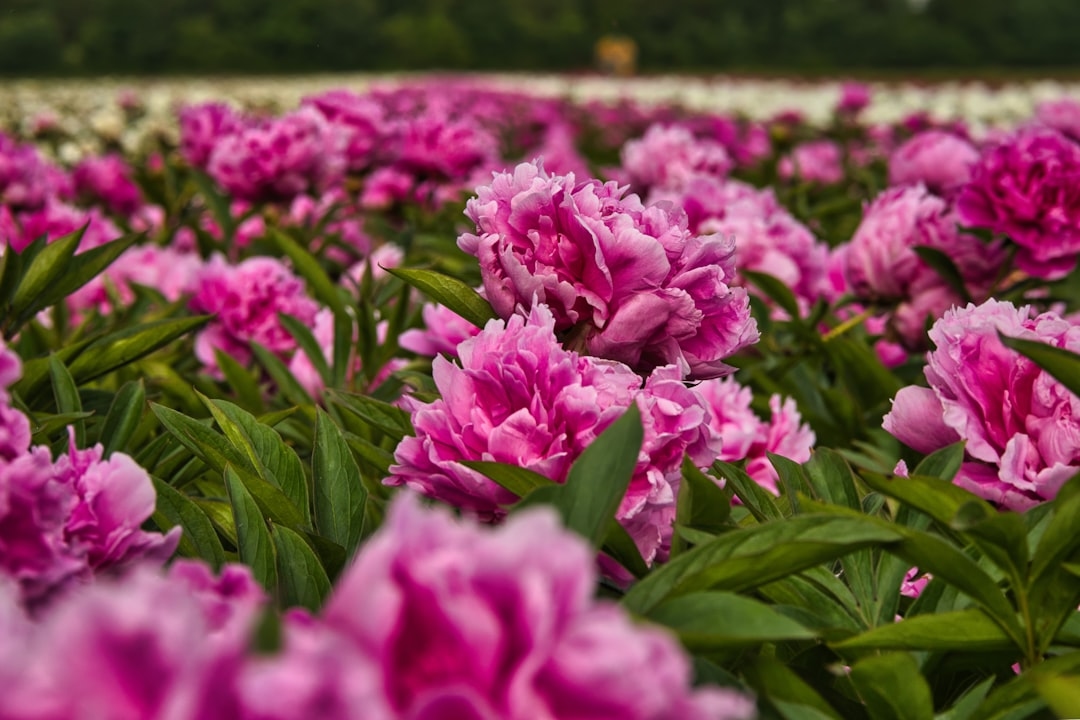
Peonies are the undisputed royalty of May. They bloom for roughly 7 to 10 days per plant, and most garden varieties hit their stride between May 10 and May 30 in Zones 5–7. A single peony bush can produce 30 to 50 blooms in one season. Cut them in the “marshmallow stage” — when the bud is soft but not yet open — and they’ll last up to 10 days in a vase. At farmers markets, expect to pay $8–$15 per stem for premium varieties like ‘Sarah Bernhardt’ or ‘Coral Charm’.
Alliums
These ornamental onions are one of the most underrated May bloomers. Allium ‘Globemaster’ produces volleyball-sized purple spheres on 3-foot stems. They’re incredibly architectural in arrangements and dry beautifully for wreaths and dried bouquets. Plant bulbs in fall for May blooms. They’re also deer-resistant — a major bonus if you’re gardening in suburban or rural areas.
Lilacs
Lilacs peak in May across Zones 3–7, and their fragrance is one of the most recognizable scents in the garden. The classic Syringa vulgaris blooms for about two weeks. Cut stems benefit from having the woody end split or lightly crushed with a hammer before placing in water — this improves water uptake significantly and extends vase life from 3 days to nearly a week.
Ranunculus
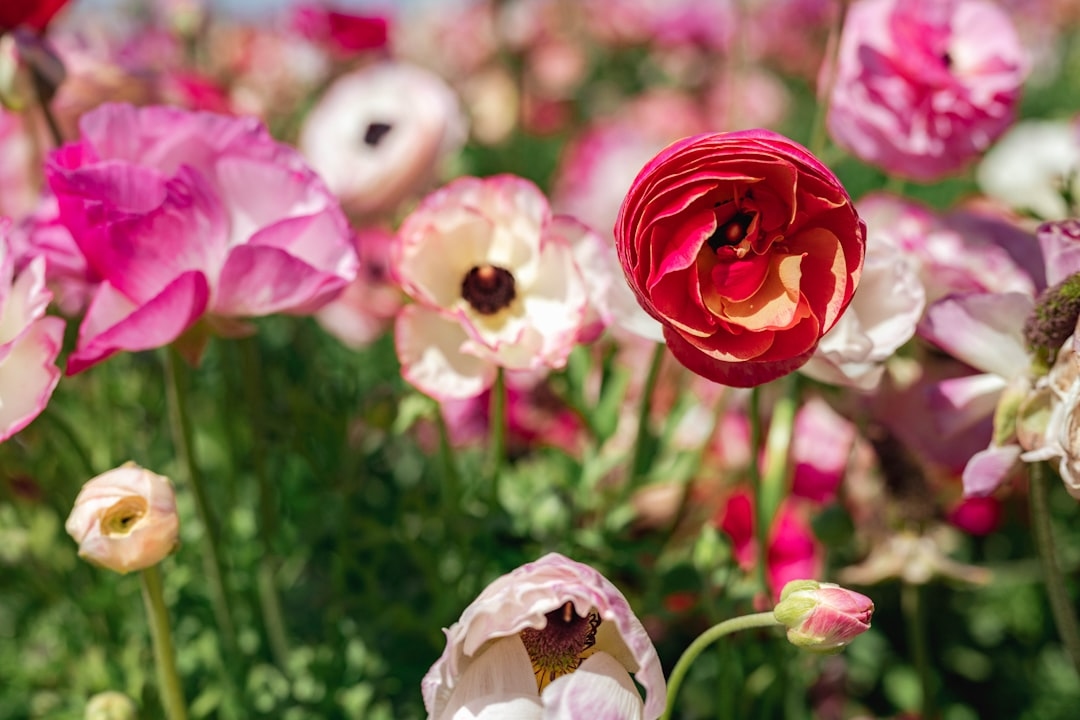
Originally a cool-season crop from the Mediterranean, ranunculus thrive in the mild temperatures of April and May. Each corm produces 4 to 7 stems, and the blooms look like densely layered roses — often confused with them at first glance (more on that below). Colors range from white and pale blush to deep burgundy and saffron orange. They’re a staple at wedding florists in spring precisely because they photograph so well.
Foxglove (Digitalis)
Foxglove sends up tall spires covered in tubular flowers in shades of purple, pink, white, and cream. A single stem can reach 4 to 5 feet tall, making it exceptional for large-scale arrangements or dramatic garden borders. It’s a biennial, meaning you plant it one year and it blooms the next — so if you want foxglove in May, plant seedlings this coming fall.
Iris
Bearded iris peak in May, offering some of the most complex color combinations available in any flower — layered falls, ruffled standards, and contrasting “beards” in a completely different hue. They prefer well-drained soil and at least 6 hours of sun. Divide clumps every 3 to 4 years to maintain vigor and bloom production.
Sweet William and Stock
Both are cool-season annuals that perform brilliantly in May before the heat shuts them down. Stock (Matthiola incana) is especially prized for fragrance — a single stem can scent a whole room. Plant both in early spring for peak May performance, or buy transplants from your local garden center now.
May Blooms vs. April Blooms: What’s the Difference?
A lot of gardeners lump April and May together as “spring flowers,” but they’re meaningfully different seasons. April belongs to bulbs: tulips, daffodils, hyacinths, and early muscari. These are true cold-season bloomers that fade fast once temperatures climb above 65°F consistently. May flowers, by contrast, include a much wider range of perennials and cool-season annuals that tolerate slightly warmer soil and longer days.
The practical takeaway: if you’re ordering flowers for a late-April event, peonies may not be ready. If you’re planning for mid-May, tulips may already be past their prime. Always confirm with your florist or farm supplier which week specific varieties will be at peak.
Ranunculus vs. Roses: The Most Common May Flower Mix-Up
At farmers markets and flower shops, ranunculus are frequently mistaken for garden roses — and it’s an understandable confusion. Both have layered, ruffled petals and come in similar color ranges. The key differences:
- Stems: Ranunculus stems are thin, smooth, and slightly hollow. Rose stems are thicker and have thorns.
- Leaves: Ranunculus leaves are small, rounded, and ferny. Rose leaves are larger with serrated edges.
- Bloom size: Ranunculus blooms are typically 2–3 inches across. Garden roses range from 2 to 6 inches depending on variety.
- Price: Ranunculus average $3–$5 per stem at retail. Roses range from $4–$12 depending on variety and sourcing.
- Availability: Ranunculus are strictly a cool-season flower — gone by June in most climates. Roses bloom in waves from May through October.
If you see a flower labeled “Italian rose” at a market stall, look closely — it may well be ranunculus. Both are beautiful; just know what you’re buying so your vase care is right.
Expert Tip: Buying May Flowers Like a Pro
“Most people wait until flowers are fully open before buying them, but that’s actually the worst time,” says Claire Matsuda, Certified Professional Horticulturist and floral design instructor at Portland Community College. “For peonies and ranunculus especially, buy them tight — almost like a colored golf ball. They’ll open beautifully in a warm room over 24 to 48 hours, and you get double the vase life. Open flowers look gorgeous in the shop but they’re already halfway through their lifespan.”
Matsuda also recommends changing vase water every two days and keeping arrangements away from fruit bowls — ripening fruit emits ethylene gas, which accelerates petal drop significantly.
Practical Tips for Growing May Flowers in Your Own Garden
- Plant peony roots in fall, 1 to 2 inches below the soil surface. Planting too deep is the number one reason peonies fail to bloom.
- For alliums, plant bulbs 3 to 4 times their diameter deep in October or November.
- Start ranunculus corms indoors 8 to 10 weeks before your last frost date for May blooms outdoors.
- Deadhead iris blooms as they fade but leave the foliage intact until it yellows — the leaves feed next year’s blooms.
- Sow stock seeds directly in the garden 4 to 6 weeks before your last frost. They need cold stratification to germinate well.
Frequently Asked Questions About May Flowers in Season
What flowers are in peak season in May?
In May, the flowers at their absolute peak include peonies, alliums, bearded iris, lilacs, ranunculus, foxglove, sweet William, and stock. Availability varies slightly by USDA Hardiness Zone — warmer zones (9–10) may see these earlier, while cooler zones (3–4) may see them a week or two later in the month.
Are tulips still in season in May?
Tulips are primarily an April flower in most of the US. By May, they’re past peak in Zones 6 and above. In cooler zones (3–5), late-blooming tulip varieties may still be available in early May. If you want May color that resembles tulips, look to peonies or ranunculus instead.
What are the cheapest flowers in season in May?
Sweet William, stock, and bachelor’s buttons are among the most affordable May flowers, often available for $5–$10 per bunch at farmers markets. Buying in-season flowers directly from local growers is consistently less expensive than out-of-season imported blooms.
Can I find peonies at the grocery store in May?
Yes — major grocery chains like Trader Joe’s, Whole Foods, and Costco typically stock fresh peonies in May when domestic supplies peak. Prices range from $6–$15 per stem, with Costco offering bunches of 10 stems for $20–$30 during peak weeks.
What May flowers are best for beginner gardeners?
Alliums and bearded iris are excellent choices for beginners. Both are planted as bulbs or rhizomes in fall, require minimal maintenance, return year after year, and are highly resistant to deer and most common pests. Iris in particular thrive even in poor soil, making them forgiving for first-time gardeners.
Your May Garden Action Plan
May moves fast. Peony season can be over in under three weeks. Lilacs drop their blooms in a rain. The smartest move right now is to visit a local farmers market or garden center this weekend and buy what’s actually in your hands — not what you’ve pinned online. Note what’s thriving, take photos of plant tags, and start a simple garden journal. That record becomes your blueprint for planting this fall, which is what determines what you’re cutting next May.
If you’re sourcing flowers for an event, contact local flower farms directly — many offer U-pick mornings in May for a fraction of retail cost, and you get the freshest possible stems. Search “flower farm U-pick near me” plus your city for options. Your arrangements will look like they came from a professional florist. Because in a way, they did — you.