Contents:
- What “Leggy” Actually Means in Seedling Development
- The Primary Cause: Insufficient Light
- Regional Differences in Natural Light Availability
- How to Fix a Light Problem
- Heat Without Light: The Hidden Accelerator
- Overwatering and Its Effect on Stem Strength
- Crowding and Air Circulation
- Sowing Seeds Too Early
- Common Mistakes to Avoid
- Can Leggy Seedlings Be Saved?
- Preventing Legginess in Future Sowings
- Frequently Asked Questions
- Why are my flower seedlings leggy even with a grow light?
- Can I cut back leggy seedlings?
- Should I bury leggy seedlings deeper when transplanting?
- How long does it take to fix leggy seedlings?
- Is legginess a sign of disease?
- Fix the Environment, Not the Seedling
There’s a common assumption that leggy seedlings are simply “weak” genetics — that some seeds just produce spindly plants no matter what you do. That’s largely a myth. In almost every case, flower seedlings leggy enough to topple over are responding to something in their environment, not some inherited flaw. The good news: most of those environmental factors are completely within your control. This article breaks down exactly what causes that stretched, floppy growth and what you can do — room by room, region by region — to fix it.
What “Leggy” Actually Means in Seedling Development
Etiolation is the botanical term for what gardeners call legginess. It describes a specific stress response in which a plant rapidly elongates its stem while reducing leaf size and chlorophyll production. The plant is essentially gambling — stretching toward what it perceives as a better light source, even at the cost of structural integrity.
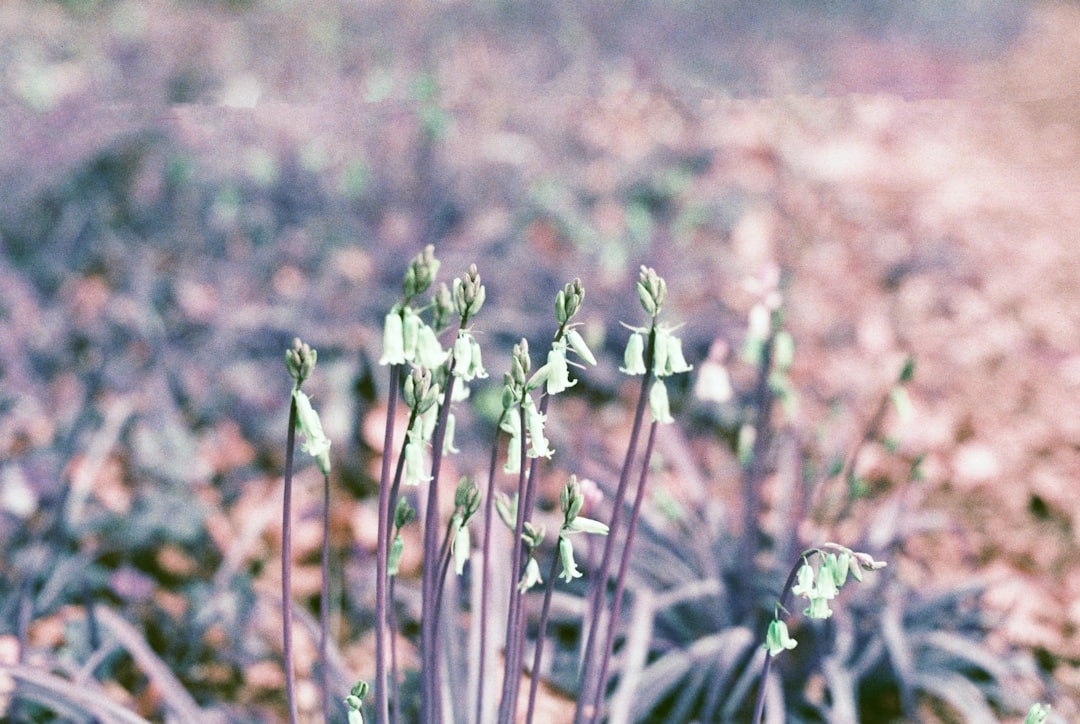
In practical terms, a leggy seedling has an unusually long, thin stem, pale or yellowish leaves spaced far apart, and a tendency to flop sideways under its own minimal weight. You might notice the seedling leaning hard toward a window, or collapsing entirely after a gentle watering. These are all symptoms of the same underlying problem.
Understanding etiolation matters because it reframes the solution. You’re not nursing a sick plant back to health — you’re correcting the conditions that triggered a survival response in the first place.
The Primary Cause: Insufficient Light
Light deprivation is responsible for the vast majority of leggy seedling cases. Most flowering annuals — zinnias, cosmos, marigolds, snapdragons — require 14 to 16 hours of bright light per day during germination and early growth. A south-facing windowsill in January or February simply cannot deliver that, even on a clear day.
Natural light intensity drops dramatically indoors. A spot just 3 feet from a sunny window may receive only 20% of the light available directly at the glass. Add a cloudy stretch of weather, and that number drops further. Seedlings started in late winter, before the sun’s angle increases, are particularly vulnerable.
Regional Differences in Natural Light Availability
Where you live has a significant impact on how much supplemental light your seedlings need. Gardeners in the Northeast — think Massachusetts or upstate New York — deal with low sun angles and frequent overcast skies from January through March, making grow lights essentially non-negotiable for indoor seed starting. In contrast, gardeners along the West Coast, particularly in California, often benefit from stronger winter sun and can sometimes get away with a well-positioned south-facing window, though coastal fog can offset that advantage significantly. In the South — Georgia, Texas, the Carolinas — the sun angle is more favorable year-round, but high humidity and variable cloud cover in spring can still lead to leggy seedlings if indoor setups aren’t properly lit.
The practical takeaway: your grow light needs depend heavily on your latitude and local weather patterns, not just the calendar date on your seed packet.
How to Fix a Light Problem
Full-spectrum LED grow lights placed 2 to 4 inches above seedling trays, running 14 to 16 hours per day, will resolve most light-related legginess within one to two weeks. T5 fluorescent shop lights work well too and cost less upfront. Set a timer — consistency matters more than intensity alone.
Heat Without Light: The Hidden Accelerator
Warmth encourages cell elongation. When seedlings are kept in a warm room (above 70°F) without adequate light, they grow fast in the wrong direction. The heat accelerates stem extension while the low light ensures that growth is weak and stretched rather than compact and sturdy.
Many gardeners place seed trays on top of refrigerators or near heating vents to aid germination — a perfectly reasonable strategy. The mistake is leaving them there once the seeds sprout. Once germination occurs, seedlings need cooler temperatures (60–65°F) and strong light immediately. Leaving them in warm, dim conditions for even 48 hours can produce noticeable legginess.
Overwatering and Its Effect on Stem Strength
Waterlogged growing medium keeps roots oxygen-deprived and stressed. Under those conditions, stems stay soft and fail to develop the structural rigidity needed to stay upright. Overwatered seedlings are more prone to damping off — a fungal condition that causes stem collapse at the soil line — and are generally weaker than seedlings grown in appropriately moist but well-drained conditions.
The standard test: stick your finger about half an inch into the growing medium. Water only when it feels dry at that depth. Seedlings in small cells or plugs may need watering every one to two days under grow lights; those in larger containers can go longer.
Crowding and Air Circulation
Too many seedlings competing in the same space create a microclimate that promotes legginess. Crowded seedlings shade each other, raise local humidity, and reduce airflow. Each individual plant senses the shade cast by its neighbors and responds by stretching upward.
Thin seedlings ruthlessly. Most flowering annuals should be thinned to one plant per cell in a standard 72-cell tray. Running a small fan on low for a few hours each day also helps — the gentle mechanical stress actually stimulates thicker, sturdier stem growth through a process called thigmomorphogenesis. Even a 30-minute daily breeze makes a measurable difference.
Sowing Seeds Too Early
Starting seeds too far ahead of your last frost date is one of the most common causes of leggy flower seedlings. A seedling that should be 4 weeks old at transplant time but has been growing indoors for 8 or 10 weeks will inevitably become tall and weak — it has outgrown its indoor conditions and has nowhere productive to direct its energy.
Most flowering annuals need only 4 to 8 weeks of indoor growing time before transplanting. Zinnias, for example, need just 4 to 6 weeks. Petunias can handle 10 to 12 weeks, but they’re the exception. Check the USDA hardiness zone map for your area, find your average last frost date, and count back from there — not from the day you feel impatient to start.
Common Mistakes to Avoid
- Placing trays too far from grow lights. Even 6 inches too far reduces usable light intensity significantly. Keep lights 2 to 4 inches above the tops of seedlings and raise them as plants grow.
- Running lights fewer than 14 hours. Eight to ten hours feels like a full day to a human but is genuinely insufficient for most seedlings. Use a timer set for at least 14 hours.
- Skipping thinning because it feels wasteful. Crowded seedlings all suffer. One healthy plant per cell outperforms three struggling ones every time.
- Not hardening off before transplanting. Moving leggy seedlings directly outdoors exposes them to wind and direct sun they can’t yet handle. Harden off over 7 to 10 days by gradually increasing outdoor exposure.
- Starting too early out of excitement. The seed packet says “start 6 weeks before last frost” for a reason. Respect the timeline.
Can Leggy Seedlings Be Saved?
Often, yes. If the stem hasn’t collapsed or rotted, you have options. The most effective fix is to transplant leggy seedlings deeper into their new container or garden bed, burying a portion of the elongated stem. Many flowering plants — particularly those in the Asteraceae family like zinnias and marigolds — will develop new roots along a buried stem, effectively building a stronger root system and lowering the plant’s center of gravity.
For seedlings that are too far gone to bury effectively, consider pinching the growing tip. This sacrifices the top growth but redirects energy into producing a bushier, more compact plant from lower nodes. It sets the plant back by a week or two but often produces a far better outcome than transplanting a tall, unstable stem.
Correcting the light and temperature conditions simultaneously is essential — saving a leggy seedling while leaving it in the same environment that caused the problem will just produce the same result again.
Preventing Legginess in Future Sowings
Prevention is always easier than correction. Set up a dedicated seed-starting station with a full-spectrum grow light on a timer before seeds even germinate. Use a heat mat only until germination occurs, then move trays to a slightly cooler location directly under the lights. Sow at the correct time for your specific USDA zone — the Old Farmer’s Almanac frost date tool is a reliable free resource for this. Thin early, ventilate daily, and water consistently rather than reactively.
Good seed-starting habits compound. A seedling that begins with strong, compact growth is resilient, transplants well, and flowers on schedule — exactly what you want if you’re growing flowers for a specific event, a summer wedding, a graduation party, or a cutting garden timed to peak in July.
Frequently Asked Questions
Why are my flower seedlings leggy even with a grow light?
The light is likely too far away or not running long enough. Keep full-spectrum grow lights 2 to 4 inches above seedling tops and run them for 14 to 16 hours per day. Lights placed 8 or more inches away deliver a fraction of the usable intensity.
Can I cut back leggy seedlings?
Yes. Pinching the growing tip of a leggy seedling encourages bushier regrowth from lower nodes. It delays flowering by one to two weeks but produces a stronger, more compact plant that transplants better.
Should I bury leggy seedlings deeper when transplanting?
For most flowering annuals, yes. Burying the elongated stem encourages additional root development along the buried portion and stabilizes the plant. This works especially well for zinnias, marigolds, and cosmos.
How long does it take to fix leggy seedlings?
With corrected light and temperature conditions, seedlings typically show noticeably sturdier new growth within 7 to 14 days. Existing elongated stem tissue won’t shorten, but new growth will be compact.
Is legginess a sign of disease?
Legginess itself is not a disease — it’s an environmental stress response. However, persistently overwatered leggy seedlings are more susceptible to damping off, a fungal condition that causes stem collapse at the soil line. If you see pinching or darkening at the base of the stem, damping off may be a secondary concern.
Fix the Environment, Not the Seedling
Leggy flower seedlings are a clear signal, not a mystery. They are telling you exactly what they need — more light, less heat, more space, or more time aligned with the right season. Addressing the root cause rather than propping up the symptom is what separates a gardener who struggles with flower seedlings leggy year after year from one who produces strong transplants on a reliable schedule. Audit your setup now: check the distance between your lights and your trays, verify your timer is set for at least 14 hours, and cross-reference your sowing date with your local last frost. Those three checks resolve the problem for most growers. Everything else follows from there.