Contents:
- Why Late Summer Planting Flowers Deserve More Credit
- The Best Flowers to Plant in Late Summer
- Mums (Chrysanthemum × morifolium)
- Asters (Symphyotrichum spp.)
- Rudbeckia (Black-Eyed Susan)
- Sedum ‘Autumn Joy’ (Hylotelephium)
- Marigolds (Tagetes spp.)
- Cosmos (Cosmos bipinnatus)
- What the Pros Know: The Late Summer Soil Secret
- Expert Insight on Late Summer Planting Success
- Practical Tips for Late Summer Planting Flowers
- Frequently Asked Questions About Late Summer Planting Flowers
- What flowers can I plant in late summer for fall color?
- Is it too late to plant flowers in August?
- What perennial flowers should I plant in late summer?
- How do I keep late summer flowers blooming longer?
- Can I plant flowers in late summer if I live in a northern state?
- Make the Most of Your Late Summer Planting Window
Most gardeners assume late summer is the end of the planting season. Put down the trowel, pack up the seed packets, and wait for spring — right? Wrong. Late summer, roughly July through early September, is actually one of the most rewarding times to get plants in the ground. The temperatures are easing, the soil is warm and ready, and a whole category of flowers is just waiting for this exact moment to thrive. If you’ve written off August as a gardening dead zone, this guide will change how you think about your garden calendar — and your fall yard — forever.
Why Late Summer Planting Flowers Deserve More Credit
Warm soil is one of the most underrated assets in gardening. By late summer, your garden bed has been absorbing heat for months, which means root systems establish faster than they ever would in cold April ground. Pair that with cooler air temperatures rolling in through September and October, and you’ve created near-perfect conditions for a second bloom cycle.
Gardeners in USDA Hardiness Zones 5 through 9 — which covers the bulk of the continental US — have a particularly wide window. In Zone 7 (think the Mid-Atlantic and Pacific Northwest), late summer planting can extend color well into November. Even gardeners in Zone 5 (the Midwest and parts of New England) can squeeze 8 to 10 weeks of blooms with the right flower choices.
The goal isn’t just to fill space. It’s to create a garden that peaks when most others are fading — and to do it with flowers that genuinely love the conditions you’re working with.
The Best Flowers to Plant in Late Summer
Mums (Chrysanthemum × morifolium)
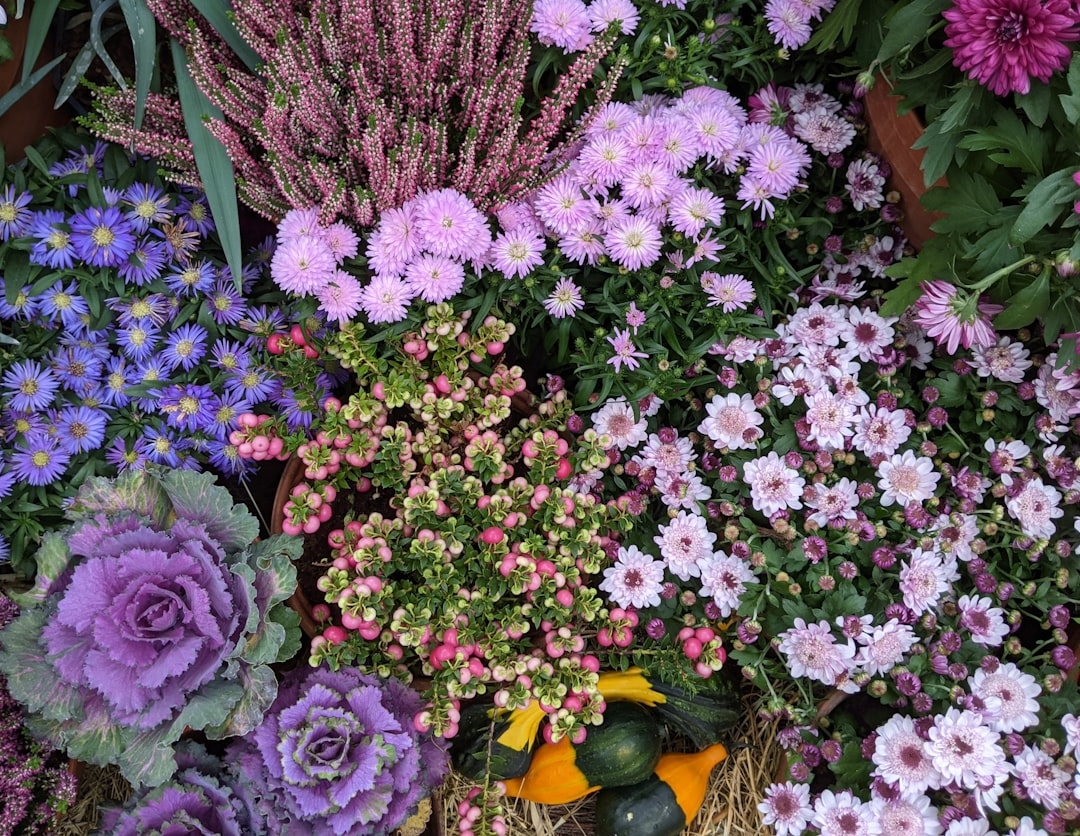
No flower is more synonymous with fall than the garden mum, and for good reason. Plant them in August and they’ll reward you with dense, dome-shaped clusters of blooms in every shade from deep burgundy to bright yellow. Choose varieties like ‘Sheffield Pink’ or ‘Ryan’s Pink’ if you want plants that return year after year — these are hardy mums, not the throwaway types sold in grocery stores.
Space mums 18 to 24 inches apart in full sun and water deeply twice a week until they’re established. A single 4-inch pot bought for $4 to $6 at a nursery can fill a 2-foot spread by mid-October.
Asters (Symphyotrichum spp.)
Asters are the unsung heroes of the fall garden. These daisy-like wildflowers bloom prolifically from August through frost, reaching 1 to 4 feet tall depending on the variety. ‘Purple Dome’ is a compact, 18-inch cultivar that stays tidy without staking. ‘Alma Pötschke’ reaches 3 feet and produces vivid rose-pink flowers that stop people mid-stride.
Beyond beauty, asters are critical late-season pollinator plants. A single established clump can attract dozens of monarch butterflies during their southward migration in September and October.
Rudbeckia (Black-Eyed Susan)
Plant Rudbeckia in late summer and you’ll have golden-yellow blooms within weeks. ‘Goldsturm’ is the gold standard — literally — producing 3-inch flowers on 2-foot stems that glow in evening light. It’s drought-tolerant once established, handles full sun, and spreads gradually into impressive clumps over the years.
Direct sow seeds now for next year, or transplant nursery starts for color this fall. Either way, black-eyed Susans are one of the lowest-maintenance investments you can make in a summer-to-fall garden.
Sedum ‘Autumn Joy’ (Hylotelephium)
Sedum isn’t just a succulent for containers — ‘Autumn Joy’ is a border powerhouse. It starts the season with jade-green foliage, then produces flat-topped flower heads that transition from dusty pink to deep copper-red as temperatures drop. Mature plants reach 18 to 24 inches tall and wide.
Plant it now and the roots will anchor themselves before winter, giving you a stronger, fuller plant next year. It tolerates poor soil, requires almost no water once established, and looks spectacular paired with ornamental grasses.
Marigolds (Tagetes spp.)
Late summer is prime time for a marigold refresh. Earlier plantings may be looking leggy and tired — pull them, amend the soil with a handful of balanced 10-10-10 fertilizer, and replant with fresh transplants. African marigold varieties like ‘Crackerjack’ grow to 3 feet tall and produce 4-inch blooms that last through the first hard frost.
Marigolds also pull double duty: their root secretions are proven to suppress soil nematodes, making them excellent companion plants near vegetable beds winding down for the season.
Cosmos (Cosmos bipinnatus)
If your late summer garden feels heavy and structured, cosmos is the antidote. These feathery, airy annuals reach 3 to 5 feet and produce a constant stream of pink, white, and magenta blooms from planting through frost. Direct sow seeds now in full sun — they germinate in 7 to 10 days and begin flowering in about 50 to 60 days, which puts peak bloom squarely in October in most of the US.
They thrive on neglect. Rich soil and heavy watering actually reduce flowering. Give them average, well-drained ground and step back.
What the Pros Know: The Late Summer Soil Secret
Pro Tip: Before planting anything in late summer, scratch 2 to 3 inches of compost into your beds. Summer heat bakes organic matter out of soil quickly, leaving it compacted and nutrient-depleted. Refreshing the top layer costs less than $10 per 40-square-foot bed and dramatically improves root establishment. Seasoned gardeners do this every August without thinking twice — it’s the single biggest factor separating a thriving fall garden from a struggling one.
Expert Insight on Late Summer Planting Success
“The biggest mistake I see home gardeners make in August is treating the season like it’s already over,” says Dr. Renata Holloway, a certified professional horticulturist and garden educator based in Nashville, Tennessee. “The plants I recommend most for late summer installation — asters, sedums, and garden mums — are actively bred to perform in shortening day lengths and cooling nights. They’re not fighting the season. They’re designed for it. Get them in the ground by the first week of September at the latest, water consistently for three weeks, and they’ll outperform anything you planted in May.”
Practical Tips for Late Summer Planting Flowers
- Water deeply, not frequently. Aim for 1 inch of water per week, applied in two sessions. Shallow watering produces shallow roots that won’t survive winter.
- Mulch immediately after planting. A 2- to 3-inch layer of shredded bark or straw regulates soil temperature and retains moisture — critical during the transition from summer heat to fall cool.
- Deadhead aggressively. Removing spent blooms on mums, asters, and cosmos redirects energy to new flower production and extends the bloom period by 2 to 4 weeks.
- Choose the right pot size. When buying transplants, look for 4-inch or gallon-size containers — larger root systems establish faster than plug trays in late-season planting.
- Time your last planting date. Count back 6 weeks from your average first frost date. That’s your hard deadline for getting transplants in the ground. Find your frost date at the Old Farmer’s Almanac frost date tool using your zip code.
Frequently Asked Questions About Late Summer Planting Flowers
What flowers can I plant in late summer for fall color?
The best late summer planting flowers for fall color include garden mums, asters, rudbeckia, sedum ‘Autumn Joy’, marigolds, and cosmos. All of these bloom from late summer through the first hard frost and perform well across USDA Zones 5 to 9.
Is it too late to plant flowers in August?
No. August is an excellent time to plant fall-blooming perennials and cold-tolerant annuals. Warm soil temperatures speed up root establishment, and most fall bloomers need 6 to 10 weeks to reach peak bloom — putting them right on schedule for September and October color.
What perennial flowers should I plant in late summer?
Top perennial choices for late summer planting include asters, rudbeckia, sedum ‘Autumn Joy’, and hardy chrysanthemums. These will return each year, often spreading and improving with age.
How do I keep late summer flowers blooming longer?
Deadhead spent blooms regularly, water consistently at 1 inch per week, and apply a light top-dressing of balanced fertilizer (10-10-10) when planting. Mulching around the base of plants also moderates temperature swings that can trigger early dormancy.
Can I plant flowers in late summer if I live in a northern state?
Yes, but timing matters. In USDA Zones 5 and 6, aim to have transplants in the ground by late August to early September. Focus on fast-establishing plants like mums and asters, and choose varieties labeled as “hardy” to give roots the best chance of overwintering successfully.
Make the Most of Your Late Summer Planting Window
The late summer planting flowers listed here aren’t just gap-fillers — they’re the backbone of a deliberate fall garden strategy. A mix of mums, asters, rudbeckia, and cosmos planted now will give you 8 to 12 weeks of color that most of your neighbors won’t even attempt. Head to your local nursery this week, while selection is still strong. Ask specifically for fall-blooming varieties, check the root ball before you buy (it should be firm and white, not brown and mushy), and get them in the ground before the soil cools below 50°F. Your October garden will be the one everyone stops to look at.