Contents:
- Why Some Flowers Bloom Longer Than Others
- Best Annual Flowers That Bloom All Summer
- Marigolds (Tagetes)
- Zinnias (Zinnia elegans)
- Petunias
- Lantana
- Top Perennial Flowers That Rebloom All Season
- Black-Eyed Susans (Rudbeckia hirta)
- Coneflowers (Echinacea purpurea)
- Salvia
- Daylilies (Hemerocallis)
- Budget Breakdown: Planting a Summer Blooming Garden
- Practical Tips for Maximizing Summer Bloom Time
- FAQ: Flowers That Bloom All Summer
- What is the longest blooming flower for summer?
- What perennial flowers bloom all summer in the US?
- How do I keep flowers blooming all summer?
- What flowers bloom all summer in the shade?
- Can I grow summer-blooming flowers in containers?
- Plan Now for a Garden That Keeps Going
You planted a garden in May, and by mid-July it looks exhausted. The spring tulips are gone, the peonies have dropped their petals, and you’re left staring at a lot of green foliage and not much else. This is one of the most common frustrations for home gardeners — and it’s entirely fixable. The secret is choosing flowers that bloom all summer, not just for a dazzling two-week window.
This guide covers the most reliable long-blooming flowers for American gardens, organized by type, care level, and budget. Whether you’re planting a backyard border or refreshing a front porch container, there’s a summer bloomer here for you.
Why Some Flowers Bloom Longer Than Others
Bloom duration comes down to plant biology. Annuals — plants that complete their life cycle in one season — are genetically programmed to flower continuously in a bid to set seed before frost. That’s why zinnias and marigolds just keep going. Perennials, by contrast, bloom for a set window each year, though deadheading (removing spent flowers) can extend the show significantly.
Heat tolerance also plays a role. Flowers like black-eyed Susans and coneflowers evolved on the American prairie, where July temperatures regularly exceed 90°F. They don’t just survive summer heat — they perform best in it.
Best Annual Flowers That Bloom All Summer
Annuals are the workhorses of the summer garden. Plant them once, and with basic care, they’ll produce continuous color from late May through the first hard frost — often 16 to 20 weeks of bloom time.
Marigolds (Tagetes)
Few plants match marigolds for sheer summer dependability. French marigold varieties like ‘Bonanza Yellow’ stay compact at 8–10 inches and bloom from June to October. They’re also a natural pest deterrent — the scent repels aphids and even some nematodes. A six-pack of transplants costs $4–$6 at most garden centers.
Zinnias (Zinnia elegans)
Zinnias are heat-lovers that hit their stride in July and August when other plants struggle. Direct-sow seeds after your last frost date (as cheap as $2–$4 per packet), and they’ll bloom in 8–10 weeks. The ‘Benary’s Giant’ series produces 4- to 5-inch blooms on 3-foot stems — excellent for cutting. Deadhead weekly for the densest flower production.
Petunias
Wave petunias are a container and hanging basket staple for a reason: a single plant can spread 3–4 feet wide and produce hundreds of blooms continuously. They need fertilizing every two weeks with a balanced 10-10-10 fertilizer to sustain that output. Expect to pay $5–$8 per plant at a nursery.
Lantana
In USDA Zones 8–11, lantana functions as a perennial, but in cooler climates it’s grown as an annual. It blooms from late spring until frost and handles drought, heat, and humidity with ease. Pollinators — particularly monarchs and swallowtails — are drawn to it constantly throughout summer.
Top Perennial Flowers That Rebloom All Season
Perennials require a bigger upfront investment but return year after year. The key to summer-long color from perennials is selecting reblooming varieties and practicing consistent deadheading.
Black-Eyed Susans (Rudbeckia hirta)
A native wildflower that blooms June through September with almost no intervention. Plant the ‘Goldsturm’ variety for a compact, 18–24 inch mound covered in golden-yellow daisy-like flowers. It tolerates clay soil, drought, and heat — a genuinely low-maintenance choice. Bare-root plants cost $8–$12 each.
Coneflowers (Echinacea purpurea)
Coneflowers bloom from late June through August and attract pollinators from 50+ feet away. The classic purple variety is the most cold-hardy (Zone 3), but newer cultivars like ‘Cheyenne Spirit’ offer red, orange, and yellow — all with the same extended bloom window. Leave seedheads standing in fall; goldfinches will thank you.
Salvia
“Salvia is my first recommendation for clients who want color without constant maintenance,” says Dr. Meredith Calloway, a certified horticulturist and garden designer based in Nashville, Tennessee. “The ‘May Night’ cultivar starts blooming in late May and, with two or three hard cutbacks, will push fresh spikes of indigo-blue flowers well into September.”
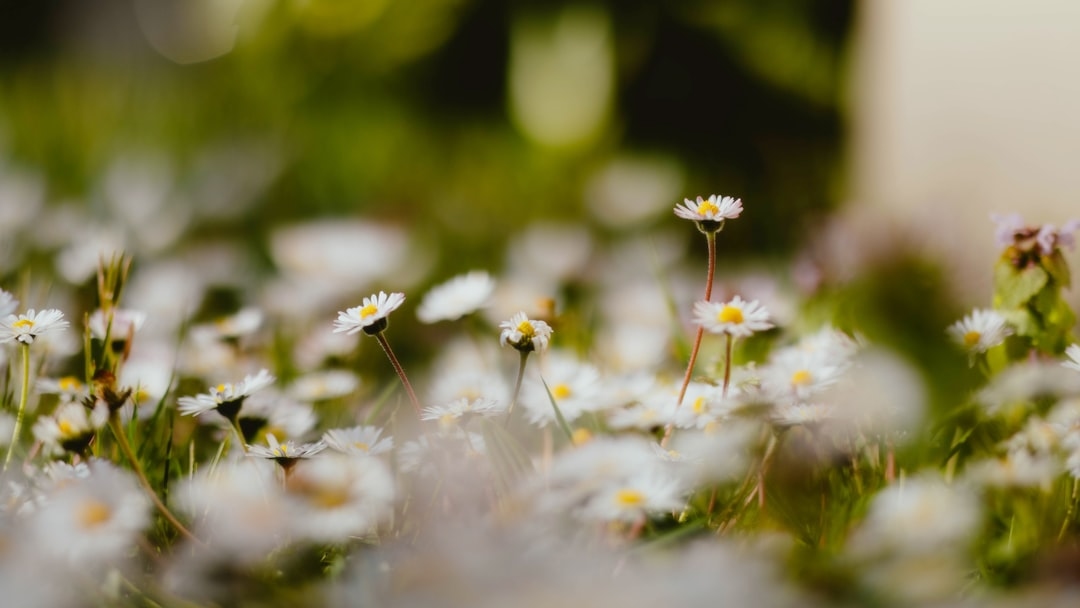
Salvia thrives in full sun and well-drained soil. Space plants 18 inches apart for good air circulation, which reduces powdery mildew risk.
Daylilies (Hemerocallis)
Traditional daylilies bloom for about three weeks, but repeat-blooming varieties like ‘Stella de Oro’ and ‘Happy Returns’ produce two to three flushes of yellow blooms from June through August. Divide clumps every three to four years to keep flowering vigorous. Fan divisions cost $6–$15 at nurseries.
Budget Breakdown: Planting a Summer Blooming Garden
A 10×4 foot mixed border of annuals and perennials — enough for continuous color from June through October — typically costs the following in the US market:
- Annuals (marigolds, zinnias, petunias): $20–$35 for a flat of 18–24 transplants
- Perennials (coneflowers, black-eyed Susans, salvia): $30–$55 for 6–8 plants
- Seeds (zinnias, marigolds): $8–$15 for a full season’s supply
- Soil amendment/compost: $10–$20 per bag
- Total estimated cost: $68–$125 for a fully planted bed, first season
In subsequent years, perennials return on their own, and self-seeding annuals like zinnias often re-sprout from dropped seeds — bringing your annual cost down to $20–$40 to refresh the bed.
Practical Tips for Maximizing Summer Bloom Time
- Deadhead consistently. Removing spent blooms redirects the plant’s energy from seed production to new flower formation. For most annuals, deadheading twice a week adds 4–6 weeks to the total bloom period.
- Water deeply, not frequently. Most summer bloomers prefer 1 inch of water per week delivered at the root zone. Shallow daily watering encourages weak, surface-level root systems.
- Fertilize annuals every 2 weeks. Use a balanced liquid fertilizer like 20-20-20 from June through August. Perennials typically need only one slow-release granular application in spring.
- Plant in staggered waves. Combine early-summer perennials (salvia, daylilies) with mid-summer annuals (zinnias, lantana) so as one type fades, another peaks.
- Choose the right zone. Confirm your USDA Hardiness Zone before purchasing perennials. A plant rated to Zone 6 will not overwinter reliably in Zone 5 without extra protection.
FAQ: Flowers That Bloom All Summer
What is the longest blooming flower for summer?
Marigolds and zinnias are among the longest-blooming summer flowers, often producing continuous color for 16–20 weeks from late spring to the first frost. Wave petunias and lantana are close competitors in warm climates.
What perennial flowers bloom all summer in the US?
The most reliable repeat-blooming perennials for US gardens include coneflowers (Zones 3–9), black-eyed Susans (Zones 3–9), ‘May Night’ salvia (Zones 4–8), and repeat-blooming daylilies like ‘Stella de Oro’ (Zones 3–10).
How do I keep flowers blooming all summer?
Deadhead spent blooms regularly, water deeply once or twice per week (1 inch total), and fertilize annuals every two weeks with a balanced fertilizer. For perennials, cut back by one-third after the first bloom flush to encourage a second wave of flowers.
What flowers bloom all summer in the shade?
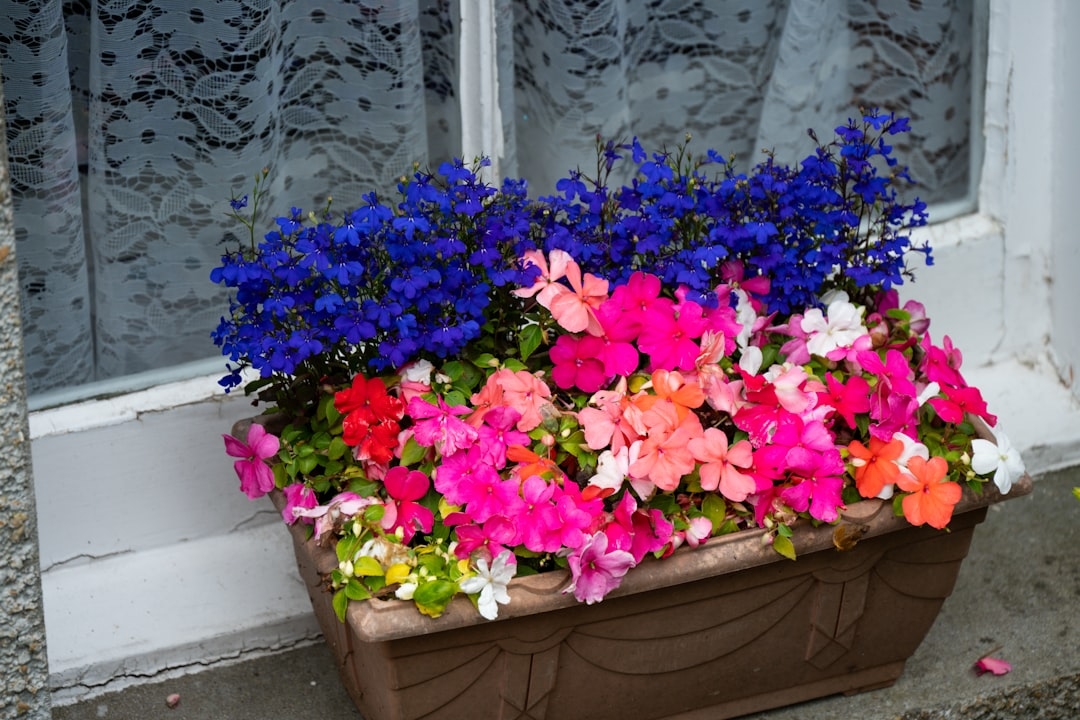
Impatiens, begonias, and astilbe perform well in partial to full shade while blooming continuously from late spring through summer. Impatiens are especially reliable in moist, shaded spots and cost just $3–$5 per pot.
Can I grow summer-blooming flowers in containers?
Yes. Petunias, marigolds, zinnias, and lantana all thrive in containers with at least 12 inches of depth. Use a quality potting mix, ensure drainage holes, and fertilize more frequently than in-ground plantings — container plants need feeding every 10–14 days.
Plan Now for a Garden That Keeps Going
The best time to plan a summer-long blooming garden is before the season starts — but even a mid-summer planting of fast-growing annuals like zinnias can transform a bare bed in six to eight weeks. Start with two or three of the varieties above, observe what thrives in your specific conditions, and add more complexity each year. Gardens that bloom all summer aren’t accidental. They’re designed — one thoughtful plant choice at a time.
Ready to get started? Map out your sun exposure, check your USDA zone at planthardiness.ars.usda.gov, and pick up a flat of marigolds or a packet of zinnia seeds this weekend. Your July garden will look completely different for it.