Contents:
- Why Gardeners Are Moving Beyond Poinsettias
- Top Christmas Flowers Not Poinsettias for Indoor Growing
- Amaryllis (Hippeastrum)
- Christmas Cactus (Schlumbergera bridgesii)
- Paperwhite Narcissus (Narcissus papyraceus)
- Cyclamen (Cyclamen persicum)
- Kalanchoe (Kalanchoe blossfeldiana)
- Outdoor and Cut Flower Options for Holiday Color
- Hellebores (Helleborus spp.)
- Winterberry Holly (Ilex verticillata)
- Camellias (Camellia japonica and C. sasanqua)
- Seasonal Timeline: When to Plant or Buy Each Flower
- Practical Tips for DIY Holiday Flower Displays
- Where to Buy Christmas Flowers Not Poinsettias
- Frequently Asked Questions
- What Christmas flowers are safe for homes with cats and dogs?
- Which holiday flowers have the longest bloom time?
- Can I reuse amaryllis bulbs next year?
- What’s the easiest Christmas flower for beginners?
- Are there fragrant Christmas flowers besides paperwhites?
Poinsettias account for roughly one-quarter of all flowering potted plant sales in the United States each year — most of them sold in a six-week window before Christmas. That’s an impressive stranglehold for a single species. But here’s what the garden center doesn’t always advertise: there are dozens of other flowers blooming right now that are just as festive, longer-lasting, and in many cases far more interesting to grow and display.
The best Christmas flowers that aren’t poinsettias include amaryllis, Christmas cactus, paperwhite narcissus, cyclamen, and hellebores. For outdoor color, consider winterberry holly, camellias, and witch hazel. Each offers a distinct look, scent, or growing experience — and most are available at garden centers or online from October through December.
If you’re a DIY enthusiast who likes to actually do something with your plants — force bulbs, train climbers, create living centerpieces — this list is especially for you. These are christmas flowers not poinsettias that reward a little hands-on attention with spectacular results.
Why Gardeners Are Moving Beyond Poinsettias
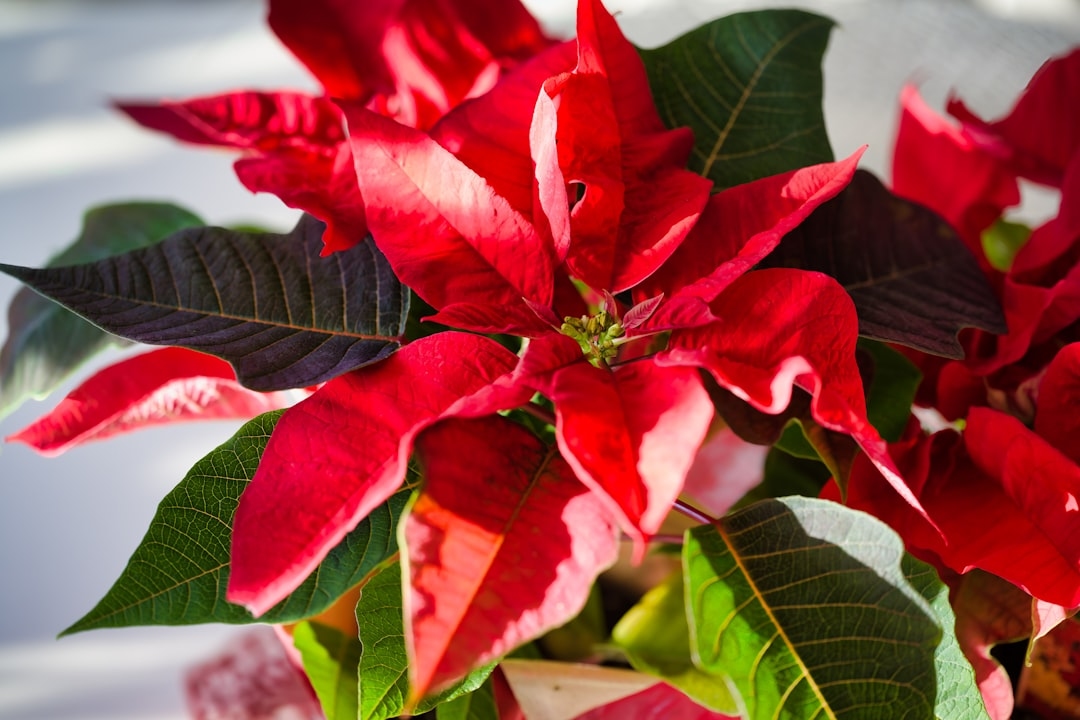
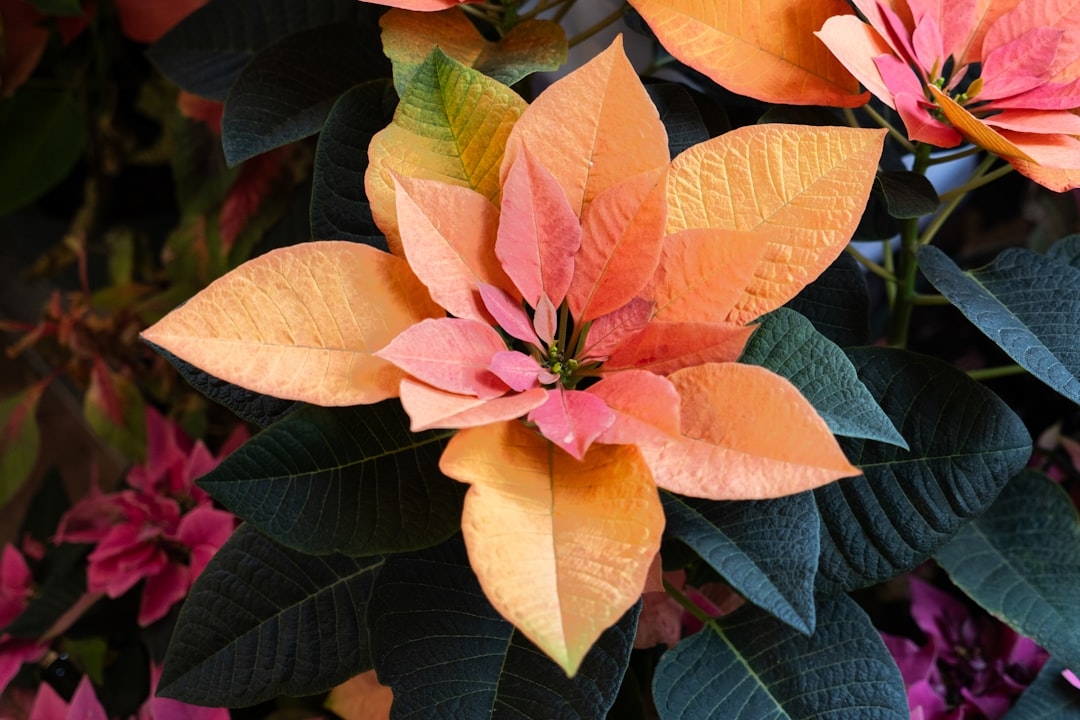
Nothing against Euphorbia pulcherrima. It’s a genuinely beautiful plant with a fascinating history — native to Mexico, used ceremonially by the Aztecs, and named after Joel Roberts Poinsett, the first U.S. Ambassador to Mexico, who introduced it to American horticulture in the 1820s. But modern commercial poinsettias are bred almost entirely for shelf life and color saturation, not fragrance, longevity, or garden versatility.
Most supermarket poinsettias last four to six weeks before dropping their bracts. They’re also mildly toxic to pets and children, require precise 14-hour darkness periods to rebloom, and offer zero scent. For a DIYer who wants something to propagate, gift, or incorporate into a wreath or arrangement, there are far more rewarding options in December.
Top Christmas Flowers Not Poinsettias for Indoor Growing
1. Amaryllis (Hippeastrum)
Amaryllis is the crown jewel of holiday bulb forcing. A single bulb — typically 2.5 to 3.5 inches in diameter for a top-grade specimen — will produce one to two stems, each carrying three to six trumpet-shaped blooms up to 8 inches across. Plant the bulb in a 6- to 8-inch pot with the top third of the bulb exposed, water once, and place it in a warm (70–75°F) bright spot. Blooms typically appear in six to eight weeks, which means a bulb planted in late October is in full glory by Christmas.
Varieties to seek out: ‘Red Lion’ for classic crimson, ‘Lemon Star’ for chartreuse-yellow, and the miniature ‘Butterfly’ series for tabletop displays. Bulbs cost $8–$18 each at most garden centers; premium Dutch varieties run $20–$35 online.
2. Christmas Cactus (Schlumbergera bridgesii)
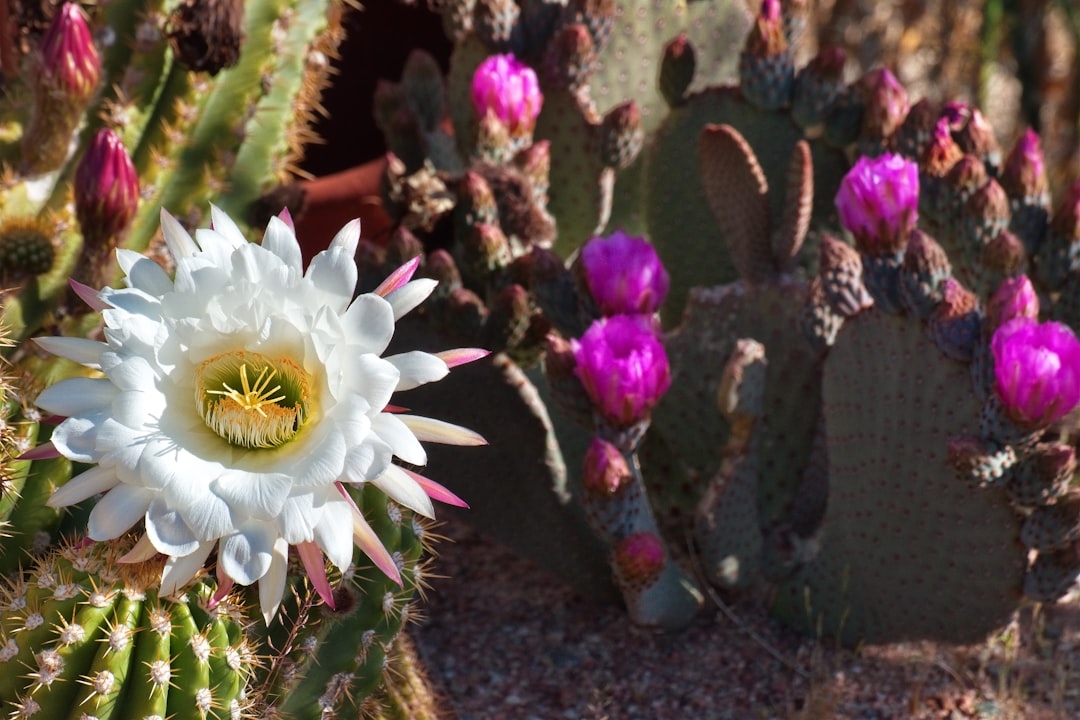
Often confused with Thanksgiving cactus (S. truncata), the true Christmas cactus has rounded, scalloped stem segments and blooms slightly later — usually mid-December through January. It thrives in indirect light, prefers temps between 60–70°F, and needs no special darkness treatment if nighttime temperatures drop naturally to around 55°F. A well-maintained plant can live for 20 to 30 years and reach two feet across. Colors range from white and pale pink to deep magenta and orange-red.
3. Paperwhite Narcissus (Narcissus papyraceus)
No soil required. Paperwhites force in gravel, pebbles, or even a dish of water, making them one of the most beginner-friendly christmas flowers not poinsettias on this list. Plant bulbs pointy-side up, add water to just below the base of the bulb, and expect fragrant white blooms in three to five weeks. One pro tip: once shoots reach 1–2 inches tall, water with a 5% alcohol solution (1 part gin or vodka to 7 parts water) to keep stems compact and prevent flopping.
4. Cyclamen (Cyclamen persicum)
Cyclamen is the cool-room specialist — it actually prefers temperatures between 50–65°F, making it ideal for entryways, porches, and rooms that stay on the chilly side. Its swept-back petals in white, pink, red, and bicolor sit above beautifully marbled heart-shaped foliage. A healthy plant bought in bud in November will typically bloom continuously for two to three months. Avoid placing it near heating vents; dry heat is its primary killer.
5. Kalanchoe (Kalanchoe blossfeldiana)
Kalanchoe punches above its weight. Dense clusters of tiny, long-lasting flowers in red, orange, yellow, and white sit atop thick succulent leaves. It tolerates dry indoor air better than almost any other flowering plant, needs watering only once a week, and will rebloom with six weeks of short-day treatment (similar to poinsettia, but easier to manage). A 4-inch pot costs around $5–$8; a 6-inch pot in full bloom, $12–$18.
Floral designers who create holiday tablescapes rarely rely on a single statement plant. Instead, they combine a thriller (tall, dramatic — amaryllis or hellebore), a filler (medium, textural — cyclamen or kalanchoe), and a spiller (trailing or low — ivy, moss, or trailing rosemary). This three-tier approach works in window boxes, centerpiece bowls, and even large ceramic pots, and it photographs beautifully for those holiday Instagram shots.
Outdoor and Cut Flower Options for Holiday Color
Hellebores (Helleborus spp.)
Called the Christmas rose or Lenten rose depending on variety, hellebores are cold-hardy perennials that bloom when almost nothing else does — typically December through March in USDA Zones 4–9. Helleborus niger, the true Christmas rose, produces white to blush-pink nodding blooms in December. Plant them in partial shade with well-draining, humus-rich soil. They’re slow to establish (expect two years before a full display) but virtually indestructible once settled, living 20+ years with minimal care.
Winterberry Holly (Ilex verticillata)
Technically a shrub rather than a flower, winterberry is arguably the most visually arresting plant in the winter garden. After its leaves drop, stems become absolutely smothered in glossy red berries. Cut branches last three to four weeks in a vase. Plant male and female specimens within 40 feet of each other for reliable berry production; one male pollinates up to five females. Hardy to Zone 3.
Camellias (Camellia japonica and C. sasanqua)
In the American South and Pacific Coast (Zones 7–10), camellias are a December staple. C. sasanqua varieties bloom from October through December; C. japonica takes over from January through March. Blooms resemble roses, peonies, or anemones depending on cultivar, and come in white, pink, red, and striped forms. ‘Yuletide’, a sasanqua variety with red single blooms and yellow stamens, is specifically bred for Christmas appeal.
Seasonal Timeline: When to Plant or Buy Each Flower
- September–October: Purchase amaryllis and paperwhite bulbs for forcing; pot amaryllis for Christmas blooms
- October–November: Plant paperwhites in succession (every two weeks) for continuous blooms through January; shop for hellebore transplants at fall garden sales
- Late November: Buy cyclamen and Christmas cactus in bud for longest display; check local nurseries for winterberry cut branches
- Early December: Last call for kalanchoe and amaryllis bulbs at retail; plant final paperwhite succession for New Year’s bloom
- December–January: Enjoy! Begin short-day treatment on kalanchoe post-holidays for Valentine’s Day rebloom
Practical Tips for DIY Holiday Flower Displays
Creating a living centerpiece with these plants takes about 20 minutes and costs roughly $30–$50 in materials. Start with a waterproof container — a galvanized tub, a large wooden crate lined with plastic sheeting, or a ceramic bowl all work. Sink potted plants (still in their nursery containers) into the display vessel and fill gaps with sheet moss, preserved reindeer moss, or Spanish moss to hide the pots. This lets you swap out individual plants as they finish blooming without disturbing the whole arrangement.
For cut flower arrangements, amaryllis stems benefit from being cut at an angle and having their hollow stems plugged with a small cotton ball — this prevents them from taking up water too fast and collapsing. Paperwhite stems, however, drink heavily and should have their water refreshed every two days.
If you’re gifting plants, cyclamen and Christmas cactus are the most practical choices: both tolerate the shock of transport well and will continue blooming for weeks after arrival. Wrap the pot in brown kraft paper and tie with jute twine for a presentation that looks deliberate rather than afterthought.
Where to Buy Christmas Flowers Not Poinsettias
Independent garden centers and specialty nurseries almost always carry a wider selection than big-box stores, especially for hellebores, named amaryllis cultivars, and specialty cyclamen. For bulb forcing, White Flower Farm, Brent and Becky’s Bulbs, and Dutch Bulbs all ship amaryllis and paperwhite collections with detailed forcing guides. Expect to pay a $12–$18 shipping premium for bulb orders, but the variety selection is worth it — retail stores rarely carry more than three or four amaryllis varieties, while online catalogs routinely list 40 or more.
Frequently Asked Questions
What Christmas flowers are safe for homes with cats and dogs?
Christmas cactus, kalanchoe (mildly toxic — keep out of reach but not an emergency if nibbled), and paperwhite narcissus foliage pose the lowest risks. Avoid amaryllis and cyclamen if pets have access to the plants unsupervised, as both can cause gastrointestinal distress. Always check the ASPCA’s toxic plant database before purchasing any flowering plant for a pet-friendly home.
Which holiday flowers have the longest bloom time?
Christmas cactus, cyclamen, and kalanchoe are the endurance champions, each blooming for six to twelve weeks under good care. Amaryllis blooms are spectacular but brief — each individual flower lasts about one week, though successive stems extend the display. Hellebores, once established outdoors, bloom for two to three months.
Can I reuse amaryllis bulbs next year?
Yes. After blooming, cut the spent flower stalk to 2 inches but keep the leaves growing in a sunny window. Fertilize every two weeks with a balanced 10-10-10 fertilizer. Move the pot outdoors in summer, allow the foliage to die back naturally in fall, then give the bulb an 8-to-10-week dry rest period before repotting and watering again to trigger the next bloom cycle.
What’s the easiest Christmas flower for beginners?
Paperwhite narcissus. No soil, no fertilizer, minimal light requirements, and results in three to five weeks. The only failure mode is overwatering (keep water below the bulb base, not submerging it) and placing them in too warm a room, which causes floppy stems.
Are there fragrant Christmas flowers besides paperwhites?
Several. Certain amaryllis varieties — particularly the species types like Hippeastrum reginae — have a light, sweet scent. ‘Lemon Star’ amaryllis is notably fragrant. Witch hazel (Hamamelis spp.) blooms outdoors from December through February and carries a spicy, honeyed scent detectable 20 feet away on a calm winter day. Indoors, jasmine (Jasminum polyanthum) blooms in winter and fills a room effortlessly.
The holiday plant aisle doesn’t have to mean a row of identical red bracts. This December, consider starting one amaryllis bulb, forcing a bowl of paperwhites, and tracking down a single hellebore transplant for the garden. By next Christmas, you’ll have a living collection that grows, returns, and surprises — and you’ll be the person at the holiday gathering everyone asks about.