Contents:
- Why April Is a Peak Month for Seasonal Flowers
- The Core April Flowers in Season
- Tulips
- Daffodils and Narcissus
- Ranunculus
- Anemones
- Hyacinths
- Lilacs
- Sweet Peas
- Regional Differences: What’s Blooming Near You
- Peonies: The April Question Everyone Asks
- Practical Tips for Buying and Using April Flowers
- Where to Buy for Best Quality and Value
- Conditioning and Care by Flower Type
- Building a Seasonal April Arrangement
- FAQ: April Flowers in Season
- What are the most popular flowers in season in April?
- Are peonies available in April?
- What spring flowers last the longest in a vase?
- Where can I find locally grown April flowers?
- What flowers are good for April weddings?
- Plan Your Next Month Around What’s Coming
In ancient Rome, the entire month of April was dedicated to Venus, goddess of love and beauty — and the Romans celebrated it by draping temples in fresh flowers. That tradition of April blooms meaning something deeper than decoration has never really left us. Spring flowers carry cultural weight: renewal, color after gray months, the particular joy of seeing a tulip push through cold soil.
April is genuinely one of the most exciting months in the floral calendar. The selection shifts almost weekly as temperatures climb, giving florists, gardeners, and flower lovers a rolling cascade of color from the first week of the month to the last.
Why April Is a Peak Month for Seasonal Flowers
April sits at the crossroads of late-spring and transitional weather across most of the US, which means the ground is warming but not yet baking. That sweet spot — soil temperatures between 50°F and 65°F — is exactly what many spring bulbs and cool-season annuals need to hit their stride. Daylight hours cross the 13-hour threshold in mid-April across the continental US, triggering bloom on light-sensitive varieties like ranunculus and anemones.
From a supply chain perspective, domestic flower farms in California’s Central Valley, Oregon’s Willamette Valley, and the mid-Atlantic states are all producing heavily in April. That means fresher, more affordable flowers at markets compared to imported off-season stems.
The Core April Flowers in Season
Tulips
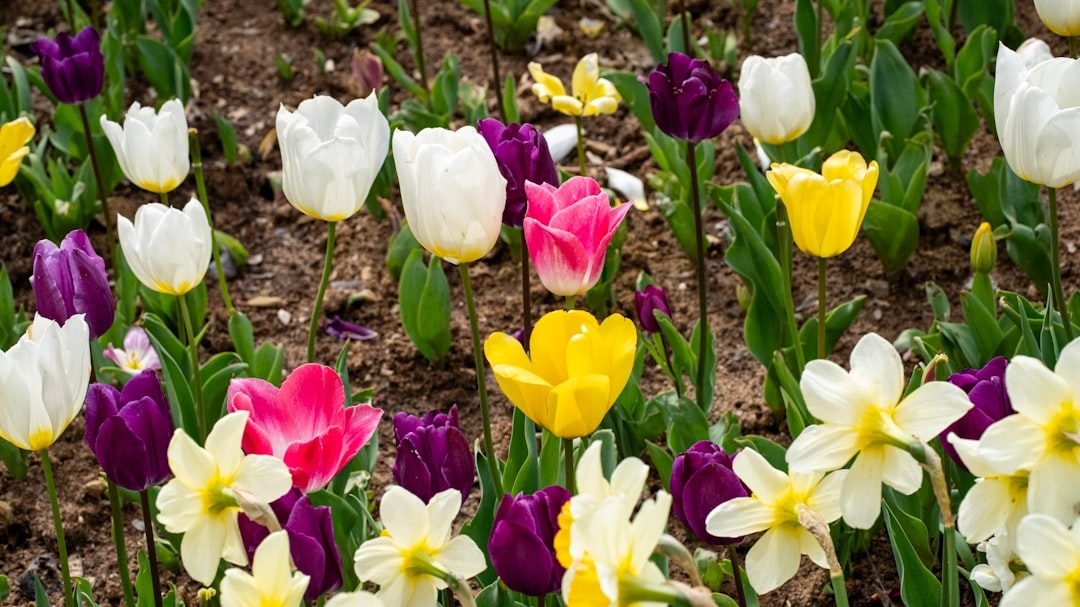
Tulips are the undisputed symbol of April. Over 3,000 registered tulip varieties exist, and the majority peak between late March and early May depending on your USDA hardiness zone. In zones 5–7 (think the Midwest and mid-Atlantic), mid-April is prime time. Look for double tulips, parrot tulips, and fringed varieties — these have a longer vase life than standard single-petaled types, typically lasting 7–10 days with clean water changes every two days.
Daffodils and Narcissus
Daffodils typically lead the April charge, especially in zones 6 and above. They’re self-contained — their stems release a sap toxic to other flowers, so always condition them solo in water for 24 hours before combining with mixed arrangements. A bunch of 10 stems at a US farmers market runs about $5–$8, making them one of the most accessible spring flowers available.
Ranunculus
Ranunculus is April’s showstopper. These layered blooms — sometimes called “the rose’s prettier cousin” by wholesale buyers — pack 100 to 130 petals into a flower the size of a tennis ball. California-grown ranunculus from Lompoc and Santa Cruz hit peak production from February through April, and April is your last real window before heat shuts them down. Expect to pay $12–$20 per bunch of 10 at specialty florists.
Anemones
Anemones offer something tulips and daffodils can’t: a dark, dramatic center against jewel-toned petals. The most common cut flower variety, Anemone coronaria, comes in deep burgundy, violet, hot pink, and white. Their season runs roughly January through April in most US markets, so late April is your last reliable chance. Buy them in bud — they open beautifully in a warm room over 24–48 hours.
Hyacinths
If you want fragrance, nothing in April competes with hyacinths. A single stem can scent an entire room. They’re at their best in early-to-mid April and begin to fade quickly once temperatures rise above 70°F consistently. In an arrangement, keep them away from direct sunlight and they’ll hold for 5–7 days.
Lilacs
Lilacs are a regional treasure. In the Northeast — Connecticut, upstate New York, Massachusetts — lilacs bloom reliably between late April and mid-May, and the annual Rochester Lilac Festival (held every May in New York) celebrates over 1,200 lilac plants. As a cut flower, lilacs are notoriously tricky: strip all the leaves, split the stems with a vertical cut, and plunge them immediately into very warm water (around 110°F) to maximize uptake. Expect a 4–6 day vase life with proper care.
Sweet Peas
Sweet peas are the April flower that serious florists get excited about. Delicate, ruffled, and available in colors from blush to deep plum, they’re intensely fragrant and notoriously short-lived — typically 3–5 days in a vase. That fragility is part of the appeal. They’re a luxury spring ingredient that signals real seasonal intention in an arrangement.
Regional Differences: What’s Blooming Near You
April doesn’t look the same across the country, and your local bloom window varies significantly by region.
- Northeast (Zones 5–6): Tulips, daffodils, and hyacinths peak in mid-to-late April. Lilacs begin appearing by the last week of the month. Peonies are still 4–6 weeks out.
- Southeast and South (Zones 7–9): The South blooms earlier and harder. Dogwood, azaleas, and even early peonies are in full swing by early April. Ranunculus and anemones may already be finishing by mid-month as temperatures climb into the 80s.
- West Coast (Zones 8–10): California and the Pacific Northwest are flower-rich in April. Ranunculus, sweet peas, and anemones are at peak. In coastal California, protea and certain dahlias also appear at farm stands. Oregon’s Willamette Valley tulip fields (like those in the Skagit Valley just north in Washington) reach their annual peak in April.
- Midwest (Zones 5–6): April starts cool. Early bloomers like daffodils and early-season tulips appear mid-month. The real flush of variety comes in late April and May.
Peonies: The April Question Everyone Asks
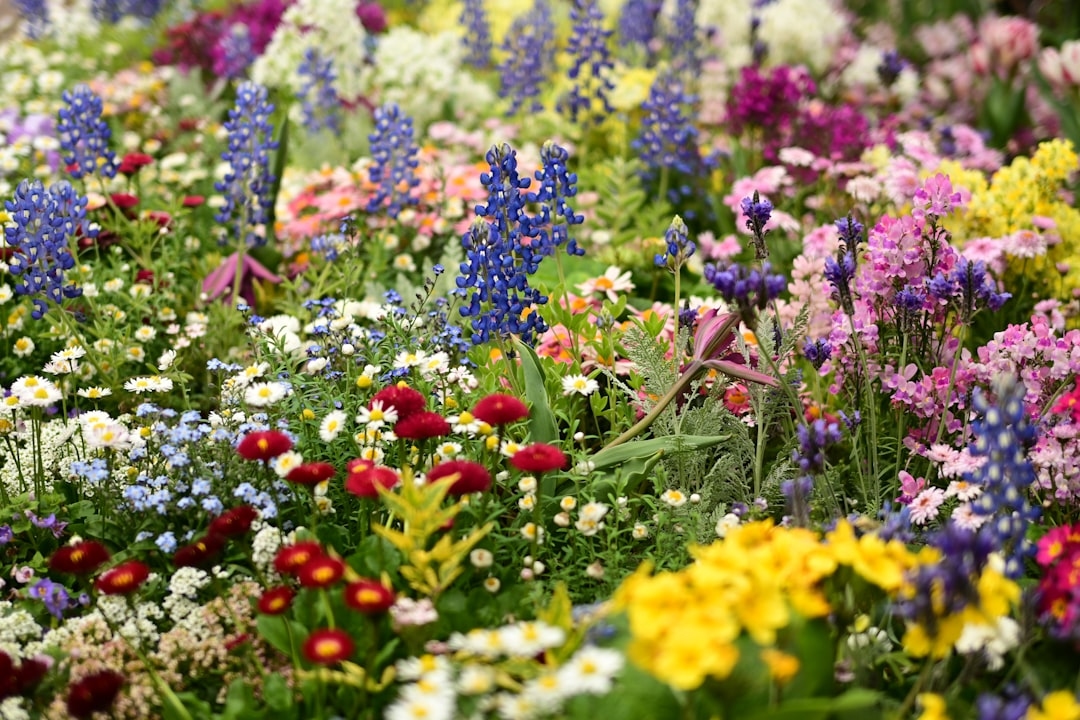
Peonies come up constantly in April flower conversations, and the answer is: it depends. In USDA zones 8–9 (Georgia, the Carolinas, parts of the Gulf Coast), garden peonies can bloom as early as late March. In zones 5–6, you’re looking at mid-May to June. At the wholesale and retail level, Alaskan-grown and imported Ecuadorian peonies start appearing in US flower markets in April, so you can often find them at florists even if they’re not blooming in your backyard yet.
Practical Tips for Buying and Using April Flowers
Where to Buy for Best Quality and Value
- Farmers markets: Best source for locally grown, freshest stems. Look for flowers with tight buds — they’ll last longer than fully open blooms.
- Wholesale flower markets: Cities like Los Angeles (Southern California Flower Market), New York (Chelsea Market Flowers), and Chicago (Kennicott Brothers) are open to the public on select days. Prices run 40–60% less than retail.
- Online flower subscriptions: Services like The Bouqs Co. and Farmgirl Flowers source directly from farms and ship within 24–48 hours of cutting. April subscription boxes are typically their strongest seasonal offering.
Conditioning and Care by Flower Type
Most April flowers are cool-season, meaning they deteriorate quickly in warmth. Keep arrangements away from heating vents, sunny windowsills, and fruit bowls — ethylene gas from ripening fruit shortens bloom life. Change water every two days and recut stems at a 45-degree angle each time. For tulips specifically: they continue to grow in the vase, sometimes up to an inch, so leave extra room in your vessel.
Building a Seasonal April Arrangement
A well-balanced April bouquet uses three layers: a focal flower (ranunculus or tulips), a secondary flower (anemones or sweet peas), and a filler or foliage (eucalyptus, fern fronds, or flowering branches like quince or cherry blossom). Aim for an odd number of focal stems — 3, 5, or 7 — for a natural, asymmetrical look. Budget around $35–$55 for a full DIY mixed bouquet using market stems.
FAQ: April Flowers in Season
What are the most popular flowers in season in April?
The most widely available april flowers in season are tulips, daffodils, ranunculus, hyacinths, anemones, sweet peas, and lilacs (in colder regions). These are all at peak domestic production in the US during April.
Are peonies available in April?
Yes, with caveats. Garden peonies bloom in April only in warmer US zones (8–9). In colder zones, they arrive in May or June. However, imported and Alaskan-grown peonies are available at US florists from April onward.
What spring flowers last the longest in a vase?
Tulips last 7–10 days. Ranunculus holds 7–10 days in cool conditions. Daffodils last 5–7 days (kept separate from other flowers initially). Anemones and sweet peas are shorter-lived at 3–5 days.
Where can I find locally grown April flowers?
Check your local farmers market, farm-direct subscription services, or use the USDA Local Food Directories tool to find flower farms near you. Community Supported Agriculture (CSA) flower subscriptions are also increasingly common and typically launch their spring season in April.
What flowers are good for April weddings?
Ranunculus, sweet peas, tulips, anemones, and lilacs are all peak-season in April and naturally suited to spring wedding palettes. Working with in-season flowers for an April wedding can reduce floral costs by 20–35% compared to out-of-season imports.
Plan Your Next Month Around What’s Coming
April is generous, but it moves fast. The flowers that define this month — ranunculus, sweet peas, anemones — have narrow windows, and once May arrives with its heat, the lineup shifts entirely toward peonies, garden roses, and dahlias. If you’ve never built an arrangement around purely seasonal April stems, this is the month to try it. Visit a farmers market in the next two weeks, pick flowers you’ve never bought before, and notice how differently a ranunculus or a stem of lilac fills a room compared to year-round imported roses.
Seasonal flowers aren’t just fresher — they’re cheaper, more sustainable, and connected to where you actually live. That’s a combination worth paying attention to, in April and every month that follows.