Contents:
- Why Seasonality Still Matters for January Flowers
- January Flowers in Season: The Core Lineup
- Amaryllis
- Paperwhite Narcissus
- Tulips
- Hellebores (Lenten Rose)
- Camellias
- Forced Branches: Quince and Cherry
- Budget Breakdown: What January Flowers Actually Cost
- Common Mistakes to Avoid With Winter Blooms
- Growing January Flowers Indoors in a Small Space
- Frequently Asked Questions
- What flowers are naturally in season in January in the US?
- Are tulips in season in January?
- What is the cheapest flower to buy in January?
- Can I grow flowers indoors in January in an apartment?
- What flowers should I avoid buying in January?
- Make January Your Most Intentional Flower Month
Have you ever stood in a flower shop in January, staring at buckets of blooms, and wondered which ones actually belong in this month — and which ones were flown in from a greenhouse halfway across the world? It’s a fair question. January feels like the least floral month of the year, yet there’s an entire category of january flowers in season that thrive right now, cost less, and last longer precisely because they’re not fighting the calendar.
Whether you’re freshening up a small apartment windowsill or just curious what’s genuinely local and in bloom, knowing your seasonal flowers is the difference between a $12 bouquet that wilts in three days and one that stays lush for two weeks.
Why Seasonality Still Matters for January Flowers
Most flowers sold in US florists in winter are imported. The USDA reports that roughly 80% of cut flowers sold in America come from Colombia, Ecuador, and the Netherlands — and that percentage spikes in winter months. That’s not necessarily bad, but it does mean many blooms have already traveled 3,000+ miles before hitting your vase.
Flowers that are genuinely in season in January — either naturally dormant-then-forced, or native to mild US climates — require less cold chain management, which translates directly into fresher stems and a lower price per bunch. For apartment dwellers with limited counter space, that matters. A single statement vase with three long-stemmed amaryllis will fill a room better than a crowded $40 mixed bouquet that droops by Thursday.
January Flowers in Season: The Core Lineup
Amaryllis
Amaryllis is January’s power flower. These bold, trumpet-shaped blooms — available in deep red, coral, white, and candy-stripe — are grown from bulbs that are specifically timed to peak in winter. A single stem can reach 18–24 inches tall and support 4–6 flowers. For small spaces, one stem in a narrow vase is genuinely enough. Expect to pay $8–$15 per stem at florists, or $15–$25 for a potted bulb kit at hardware stores or garden centers.
Paperwhite Narcissus
Paperwhites are the quintessential January indoor bloom. They’re forced bulbs — meaning they’ve been tricked into blooming early by temperature manipulation — and they do beautifully in a shallow bowl with pebbles and water. No soil required, which is ideal for apartments. The scent is strong (polarizing, but unmistakably alive in a January room). A pack of 5 bulbs runs about $10–$14 and will bloom in roughly 4–6 weeks if you start them in early December.
Tulips
Forced tulips are one of the best values in january flowers in season. Dutch-grown tulips flood the US market in winter and a bunch of 10 stems typically costs just $6–$10 at grocery stores or farmers markets. They’re soft, sculptural, and they move — tulips continue growing in the vase, bending toward light in ways that feel alive. In a small space, a short mason jar of five white tulips on a kitchen counter is a genuinely effective design choice.
Hellebores (Lenten Rose)
Hellebores bloom outdoors in USDA Hardiness Zones 4–9, often pushing through snow as early as January in the South and Pacific Northwest. Nodding, muted-toned flowers in plum, dusty rose, cream, and near-black — they’re the florist’s quiet secret for winter arrangements. Cut stems are harder to source than tulips but worth asking your local florist about. Expect to pay $4–$7 per stem when available.
Camellias
In Zones 7–10 (think Georgia, the Carolinas, California, Texas), camellias bloom outdoors from November through March. They look like something between a rose and a peony and cost almost nothing if you have a bush nearby. As cut flowers in florists, they’re less common nationally but worth seeking out. Their waxy petals hold up well in a cool apartment — they prefer temps under 68°F to last more than a few days.
Forced Branches: Quince and Cherry
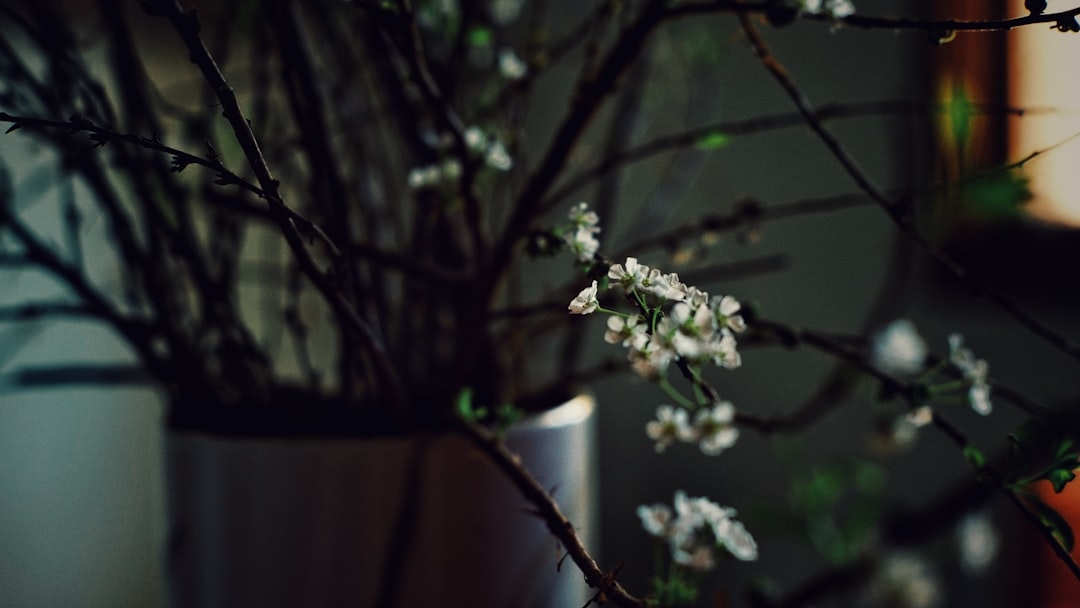
This is a sleeper category. Flowering quince and cherry branches can be cut in January, brought indoors, and forced into bloom within 2–4 weeks by placing them in warm water. A single branch can span 3 feet and transform a corner of a small apartment dramatically. Farmers markets and specialty florists often sell them for $8–$20 per branch. One branch. That’s the whole arrangement.
Budget Breakdown: What January Flowers Actually Cost
- Grocery store tulips (10 stems): $6–$10
- Paperwhite bulb kit (5 bulbs): $10–$14
- Amaryllis stem (florist): $8–$15
- Hellebore stem: $4–$7
- Forced branch (quince/cherry): $8–$20
- Potted camellia (nursery): $20–$40
For a small apartment, the most impactful spend is usually one potted amaryllis bulb ($15–$25) that blooms for 3–4 weeks, or a weekly rotation of grocery store tulips at under $10 a bunch.
🌿 What the Pros Know
Florists cut tulip stems at a sharp angle and wrap them tightly in paper for 2–4 hours after purchase before placing them in a vase. This “conditioning” step forces water uptake and keeps them upright for days longer than if you just drop them straight into a vase. Recut the stems every 2 days and change the water daily — tulips are thirsty.
Common Mistakes to Avoid With Winter Blooms
- Buying roses in January for everyday use. Roses are not in season in the Northern Hemisphere in January. They’re imported and marked up 40–60% compared to spring pricing. Save roses for Valentine’s Day if you must, but don’t expect longevity.
- Placing forced bulbs near heat vents. Paperwhites and amaryllis near a radiator or heating vent will bloom and die in days. Keep them in a cool, bright spot — ideally around 60–65°F — to extend bloom time.
- Overpacking a small vase. Five stems of the right flower outperform fifteen stems of the wrong one in a small apartment. Edit aggressively.
- Skipping the stem recut. Flower stems form an air block at the cut end within hours of being out of water. Always recut at least half an inch when you get home, ideally under running water.
Growing January Flowers Indoors in a Small Space
Apartment gardening in January is dominated by bulbs. Amaryllis, paperwhites, and hyacinths (which typically peak in February but start in January) can all be grown without outdoor space. The key constraint is light: most winter-blooming bulbs need bright indirect light for 6+ hours. A south-facing windowsill in a US apartment is ideal. If you only have north-facing windows, you can supplement with a small grow light positioned 6–12 inches above the bulbs for 12–14 hours daily.
Hyacinths started in a forcing vase — a narrow glass designed to hold a single bulb above water — are a particularly elegant apartment solution. The bulb sits above the waterline, roots grow down into the water, and the whole structure is architectural enough to be a decorative object before the flower even appears.
Frequently Asked Questions
What flowers are naturally in season in January in the US?
In mild climates (Zones 7–10), camellias, hellebores, and winter jasmine bloom outdoors in January. Across most of the country, the best January flowers are forced bulbs — amaryllis, paperwhites, tulips, and hyacinths — grown in controlled conditions specifically to peak in winter.
Are tulips in season in January?
Yes. Dutch-grown forced tulips are widely available and affordable in January in the US. They’re one of the best value january flowers in season — a bunch of 10 typically costs $6–$10 and lasts 7–10 days with proper care.
What is the cheapest flower to buy in January?
Grocery store tulips are consistently the most affordable fresh flowers in January, usually $6–$10 per bunch of 10. Carnations are another budget option at $4–$8 per bunch and last exceptionally well in winter — up to 3 weeks — due to the cool ambient temperatures.
Can I grow flowers indoors in January in an apartment?
Absolutely. Amaryllis bulbs, paperwhite narcissus, and hyacinths are all well-suited to apartment growing in January. They require no outdoor space, minimal soil (or no soil in the case of paperwhites), and bloom in as little as 4–6 weeks from bulb to flower.
What flowers should I avoid buying in January?
Avoid out-of-season flowers that require heavy importing: garden roses, peonies, and sunflowers. They’ll cost significantly more and last fewer days than seasonal alternatives. Standard spray roses from Colombia are the exception — they’re available year-round at reasonable prices.
Make January Your Most Intentional Flower Month
January is actually one of the best months to become a more intentional flower buyer. The seasonally limited selection forces you to choose carefully — and when you choose well, a single amaryllis stem or a cluster of paperwhites on a windowsill does more for a small apartment than a sprawling mixed bouquet ever could. Start with one potted bulb this week. Watch it grow. By February, you’ll have a new habit and a much clearer sense of what your space actually needs.