Contents:
- Understanding What Bougainvillea Actually Needs to Bloom
- The Most Common Reasons Your Bougainvillea Won’t Flower
- Not Enough Direct Sunlight
- Overwatering Is Actively Suppressing Blooms
- Too Much Nitrogen Fertilizer
- Incorrect Pruning Timing
- Root-Bound Containers (Sometimes a Feature, Not a Bug)
- Regional Differences That Affect Bougainvillea Blooming
- An Eco-Friendly Approach to Encouraging Blooms
- Practical Checklist for Getting Your Bougainvillea to Bloom Again
- FAQ: Bougainvillea Not Blooming
- Why does my bougainvillea have lots of leaves but no blooms?
- How long does it take for bougainvillea to bloom after fixing care issues?
- Can bougainvillea bloom indoors?
- Should I prune my bougainvillea to get it to bloom?
- Why did my bougainvillea stop blooming after repotting?
- Your Next Step Toward a Blooming Bougainvillea
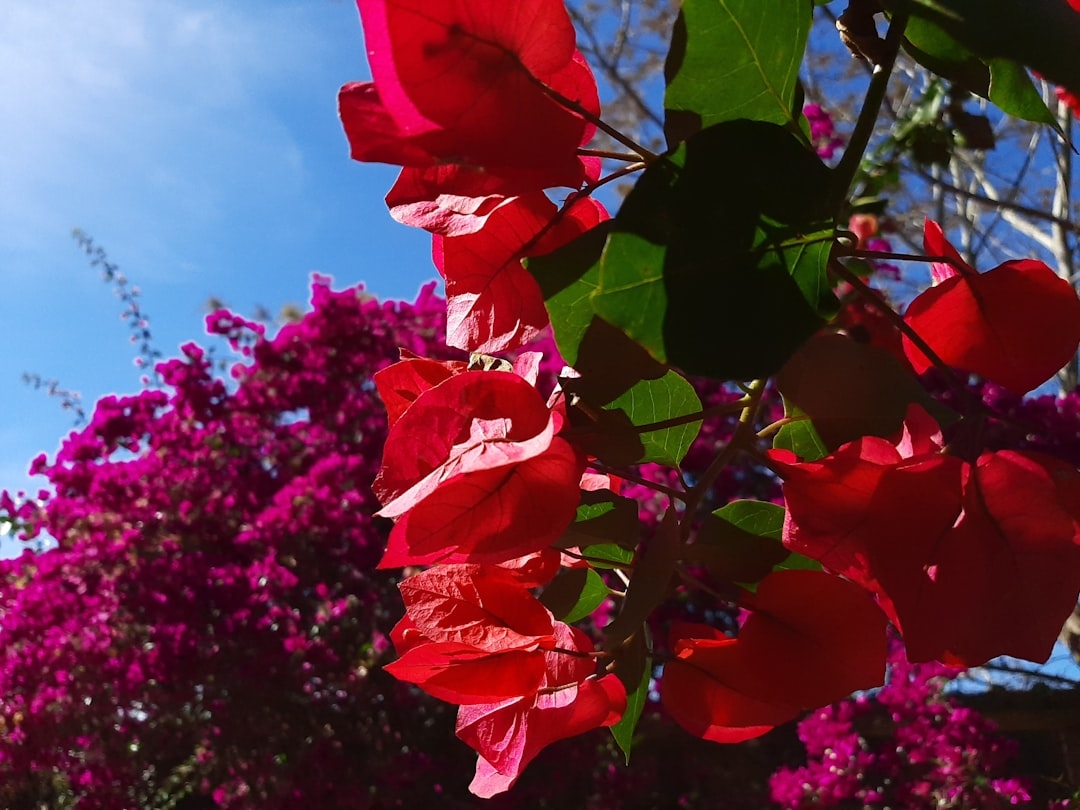
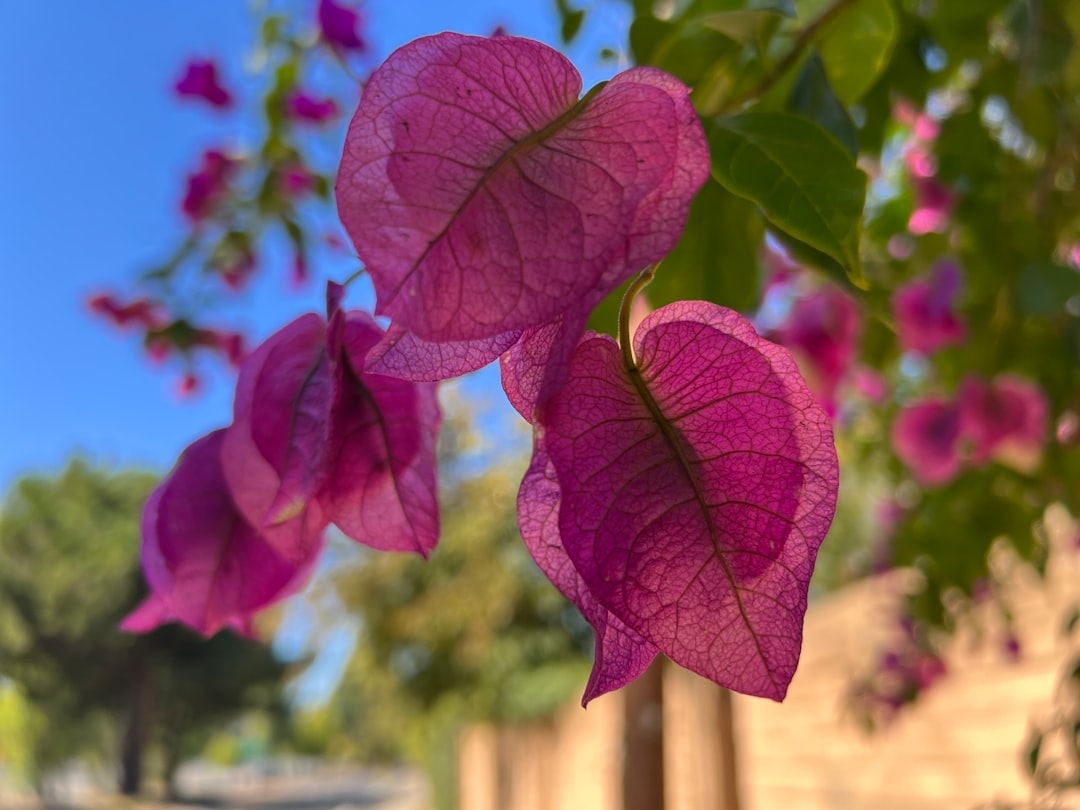
When Spanish naval officers first encountered bougainvillea cascading over the hillsides of Brazil in the 1760s, they were so struck by its riotous color that they named it after their commander, Admiral Louis Antoine de Bougainville. What they were actually admiring weren’t petals at all — they were bracts, modified leaves that surround the plant’s tiny white flowers. This botanical sleight of hand is your first clue to understanding why a bougainvillea not blooming is such a common and fixable frustration. The plant isn’t withholding color out of spite. It’s responding to very specific environmental signals, and once you understand what those signals are, you can learn to speak its language.
Understanding What Bougainvillea Actually Needs to Bloom
Bougainvillea is a stress-bloomer. That’s not a metaphor — it literally produces its spectacular bracts in response to mild environmental stress, particularly drought and high light intensity. In its native tropical and subtropical habitat in South America, the dry season triggers blooming. Gardeners who treat their bougainvillea like a pampered houseplant — watering generously, fertilizing with nitrogen, and keeping it in partial shade — are accidentally preventing the very conditions that trigger color.
The plant’s needs are counterintuitive. Less water, more sun, and less nitrogen. Get those three variables right, and you’ll rarely have a non-blooming bougainvillea again.
The Most Common Reasons Your Bougainvillea Won’t Flower
Not Enough Direct Sunlight
This is the single most common culprit. Bougainvillea requires a minimum of 6 hours of direct sunlight per day — and 8 hours is better. Not bright indirect light. Direct sun. Even a few hours of shade during the peak afternoon window can significantly reduce bract production.
If you’re growing yours on a porch, against a north-facing wall, or anywhere that gets dappled light for most of the day, move it. A south- or west-facing exposure is ideal in most parts of the US. This single change fixes the problem for a large percentage of disappointed growers.
Overwatering Is Actively Suppressing Blooms
Bougainvillea roots evolved in well-draining, often rocky soils. Consistently moist soil tells the plant that conditions are favorable for vegetative growth — it puts energy into producing lush green leaves instead of bracts. To trigger blooming, allow the soil to dry out almost completely between waterings. In practice, this means watering deeply once, then waiting until the top 2 to 3 inches of soil are completely dry before watering again.
During active bloom cycles, some growers deliberately withhold water for 3 to 4 weeks to stress the plant into producing color. This works. Once bracts begin forming, you can resume a more moderate watering schedule.
Too Much Nitrogen Fertilizer
Nitrogen promotes leafy, green growth. A bougainvillea fed a balanced 10-10-10 fertilizer or a lawn fertilizer high in nitrogen will reward you with gorgeous foliage and almost no blooms. Switch to a low-nitrogen, high-phosphorus fertilizer — look for ratios like 6-8-10 or products specifically labeled for blooming plants. Phosphorus supports root development and flower (or in this case, bract) production. Apply every four weeks during the growing season, from spring through early fall.
Incorrect Pruning Timing
Bougainvillea blooms on new growth, but that new growth needs time to mature before it will set bracts. If you prune in late summer or fall, you’re cutting off the stems that would have bloomed the following season. The right time to prune is immediately after a bloom cycle ends, giving the plant the entire growing season to push out new flowering wood. Light tip-pruning throughout the season is fine and can actually encourage branching and more bloom sites.
Root-Bound Containers (Sometimes a Feature, Not a Bug)
Here’s a surprising one: bougainvillea often blooms more prolifically when slightly root-bound. A container that’s too large encourages the plant to focus on root and leaf expansion. If your plant has been recently repotted into a much larger pot and has gone quiet on blooms, this may be why. Let it fill the current container before sizing up again. A 10 to 12-inch pot is appropriate for a moderately sized plant; only move up one pot size at a time.
Regional Differences That Affect Bougainvillea Blooming
Where you live in the US dramatically affects how you manage a bougainvillea. In Southern California, Florida, and the Gulf Coast (USDA Zones 9b–11), bougainvillea can be grown as a perennial outdoors year-round and will often bloom in two to three distinct flushes annually — typically spring, midsummer, and fall. These gardeners mainly deal with overwatering and over-fertilizing as their primary bloom problems.
In the Northeast and Midwest (Zones 7 and below), bougainvillea must be grown in containers and overwintered indoors. The challenge here is that indoor winter conditions — low light, dry air, and central heating — can push the plant into dormancy or stress it in the wrong direction. Move it to the sunniest window you have (ideally south-facing) and reduce watering significantly during winter. Don’t fertilize until you move it back outside in spring after the last frost date.
On the Pacific Northwest coast, the climate is too cool and overcast for bougainvillea to thrive outdoors in most areas. Container growing with supplemental grow lights during cloudy months is often necessary to get any bloom at all.
An Eco-Friendly Approach to Encouraging Blooms
You don’t need expensive synthetic fertilizers to coax a bougainvillea into blooming. A sustainable alternative is compost tea combined with a top-dressing of bone meal, which is high in phosphorus and derived from a byproduct of meat processing. Bone meal releases slowly into the soil over several months, feeding the plant gently without the nitrogen spike that suppresses blooms. A single 4-pound bag typically costs under $12 and covers multiple applications for one or two container plants — genuinely budget-friendly.
Similarly, collecting and using rainwater instead of chlorinated tap water can benefit bougainvillea, which is sensitive to fluoride and salt buildup in soil. If you’re growing in a container, flush the pot thoroughly every few months with plain water to prevent mineral accumulation, which can interfere with nutrient uptake and indirectly suppress blooming.
Practical Checklist for Getting Your Bougainvillea to Bloom Again
- Sunlight: Ensure at least 6–8 hours of direct sun daily. Relocate if necessary.
- Watering: Let soil dry out almost completely between waterings. Implement a 3-week dry period to trigger a bloom cycle.
- Fertilizer: Switch to a low-nitrogen, high-phosphorus formula (look for the middle number being highest). Apply every 4 weeks in the growing season.
- Pruning: Prune right after blooms fade, not in late summer or fall.
- Pot size: Keep the plant slightly root-bound; avoid jumping up more than one pot size at a time.
- Temperature: Bougainvillea blooms best when nighttime temperatures drop slightly — between 65°F and 70°F — which is a natural cue that triggers bract production.
FAQ: Bougainvillea Not Blooming
Why does my bougainvillea have lots of leaves but no blooms?
This is almost always caused by too much nitrogen fertilizer, too much water, or insufficient sunlight. All three conditions encourage vegetative (leaf) growth at the expense of bracts. Reduce watering, switch to a high-phosphorus fertilizer, and ensure the plant gets at least 6 hours of direct sun daily.
How long does it take for bougainvillea to bloom after fixing care issues?
After correcting light, water, and fertilizer conditions, most bougainvilleas will begin showing new bract color within 4 to 8 weeks. If you implement a deliberate water-stress period of 3 to 4 weeks, you may see results at the faster end of that range.
Can bougainvillea bloom indoors?
Yes, but only with very bright light — ideally a south-facing window with no obstructions, or supplemental grow lights providing at least 12 hours of bright light daily. Indoor bougainvilleas rarely bloom as prolifically as outdoor plants due to reduced light intensity.
Should I prune my bougainvillea to get it to bloom?
Light pruning after a bloom cycle can encourage new growth and more bloom sites. However, heavy pruning at the wrong time (late summer or fall) removes next season’s flowering wood. Always prune immediately after bracts have faded, not before.
Why did my bougainvillea stop blooming after repotting?
Repotting into a larger container shifts the plant’s energy toward root and foliage development. Bougainvillea often blooms better when slightly root-bound. Give the plant a full growing season to settle into its new container, maintain the correct light and watering regimen, and blooming should resume.
Your Next Step Toward a Blooming Bougainvillea
Pick the most likely culprit from the list above — for most gardeners, it’s either sunlight or overwatering — and change just that one variable first. Give it six weeks. If blooms begin to appear, you’ve found your answer. If not, layer in the next adjustment: switch your fertilizer, implement a dry-stress period, or reconsider your pruning schedule. Systematic troubleshooting beats guessing every time. A bougainvillea in full bloom, with hundreds of electric-magenta bracts cascading over a wall or trellis, is one of the most dramatic sights a garden can produce — and it’s entirely achievable without spending a fortune or possessing a green thumb. The plant wants to bloom. Your job is simply to stop accidentally preventing it.