Contents:
- Why Rabbits Target Your Flower Garden
- Which Flowers Do Rabbits Eat Most?
- High-Risk Flowers
- Flowers Rabbits Tend to Avoid
- Regional Differences: How Location Affects Rabbit Pressure
- Proven Ways to Protect Your Flowers from Rabbits
- Physical Barriers (Most Reliable)
- Repellents
- Plant Substitution
- Common Mistakes to Avoid
- Frequently Asked Questions About Rabbits Eating Flowers
- What is the most effective way to stop rabbits from eating flowers?
- Do rabbits eat flowers at night?
- Which flowers are safe to plant if rabbits are a problem?
- Will coffee grounds keep rabbits away from flowers?
- Why are rabbits suddenly eating my flowers when they weren’t before?
- Build a Garden Rabbits Won’t Want to Visit
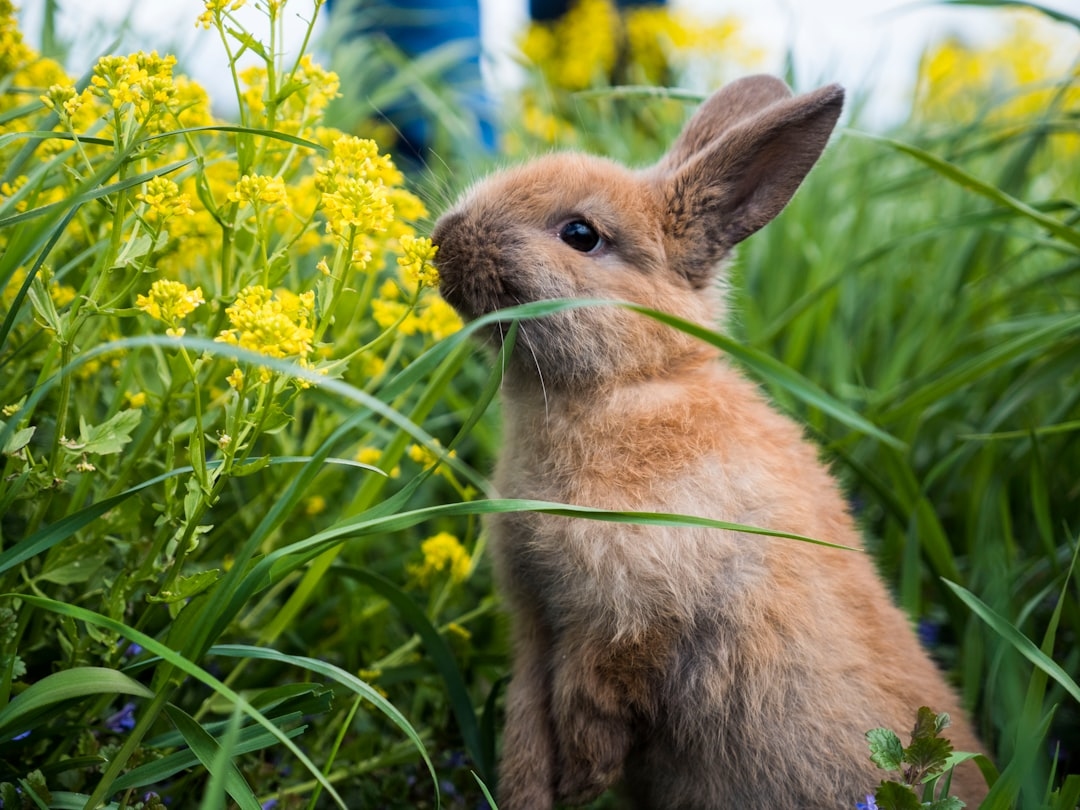
Here’s a myth that trips up a lot of gardeners: rabbits are indiscriminate nibblers who’ll eat anything green. Not true. Rabbits are actually selective foragers with real preferences — and once you understand what drives those choices, protecting your garden gets a whole lot easier. If your flower beds are looking ragged and you keep finding clean-cut stems near the soil line, rabbits are almost certainly the culprit. This guide breaks down exactly why rabbits eating flowers is such a common problem, what attracts them to your yard, and what actually works to stop them.
Why Rabbits Target Your Flower Garden
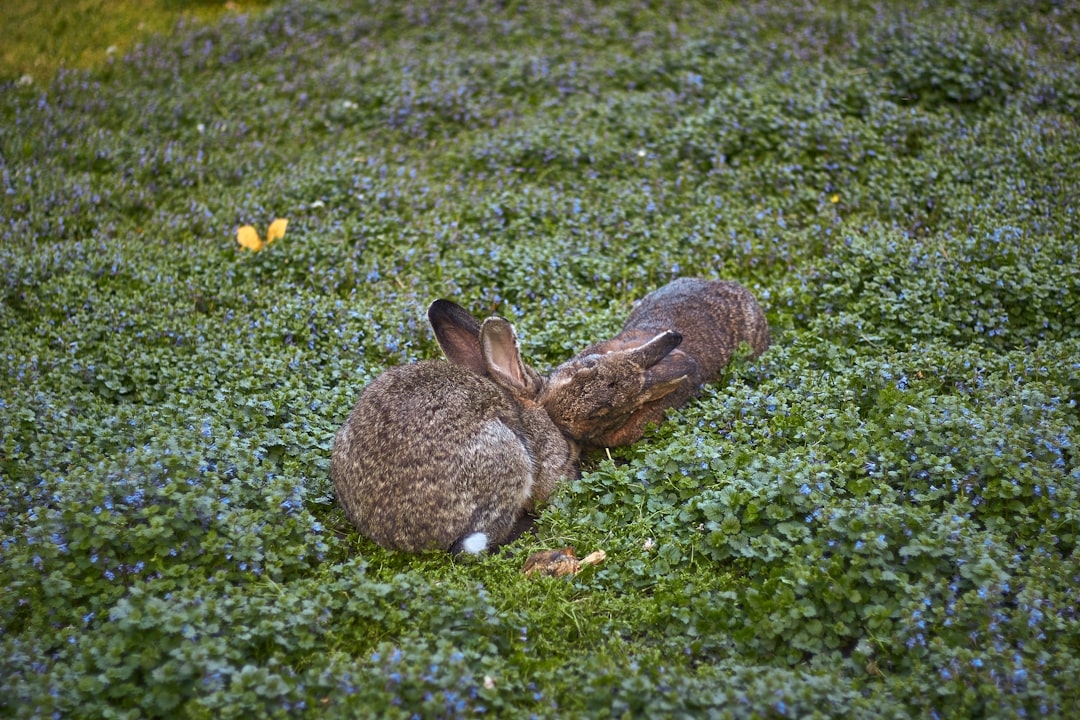
Rabbits are crepuscular, meaning they’re most active at dawn and dusk — which is why you often don’t catch them in the act. Eastern cottontails, the most widespread rabbit species in the US, have home ranges of roughly 1 to 5 acres. If your garden sits within that range, it becomes a reliable food source they’ll return to daily.
The appeal of flowers comes down to nutrition and accessibility. Flower petals and young stems are high in moisture and easy to digest compared to tough grasses. Rabbits also prefer plants close to the ground — they rarely reach higher than 18 to 24 inches — so low-growing annuals and perennials are especially vulnerable. A rabbit can consume up to 1 pound of vegetation per day, and a pair with a litter nearby can strip a flower bed surprisingly fast.
Seasonal pressure matters too. In late winter and early spring, when other food sources are scarce, rabbits get bolder. That’s when newly sprouted tulips, pansies, and early perennials take the hardest hits.
Which Flowers Do Rabbits Eat Most?
Rabbits have documented favorites. Knowing them helps you prioritize protection — or rethink your planting choices.
High-Risk Flowers
- Tulips — one of their top targets, especially the young shoots in spring
- Pansies and violas — soft, low-growing, and irresistible
- Impatiens — tender stems make these easy pickings
- Roses — young canes and new growth get nibbled, especially on bush varieties
- Marigolds — despite the popular myth, rabbits will absolutely eat these
- Black-eyed Susans — young plants are particularly vulnerable before they establish
Flowers Rabbits Tend to Avoid
- Lavender — the strong scent is a natural deterrent
- Foxglove — toxic to rabbits, so they instinctively avoid it
- Salvia — aromatic foliage puts them off
- Daffodils and narcissus — contain lycorine, which is toxic; rabbits skip these entirely
- Catmint — another strongly scented perennial they reliably leave alone
Regional Differences: How Location Affects Rabbit Pressure
Rabbit species and population density vary significantly across the US, and that affects how aggressively your garden gets hit.
In the Northeast, Eastern cottontails are the dominant species, and suburban sprawl has actually increased their numbers by creating ideal edge habitat — the mix of open lawn and shrubby cover they love. Gardens in Connecticut, New York, and Pennsylvania see heavy spring pressure, particularly on tulips and early annuals.
In the South, both Eastern cottontails and swamp rabbits are common. Warmer winters mean rabbits stay active year-round without the natural food scarcity that limits damage up north. Southern gardeners deal with nearly continuous feeding pressure across all seasons.
On the West Coast, brush rabbits and jackrabbits are more common than cottontails, particularly in California. Jackrabbits are larger and can reach plants up to 3 feet high — so the usual 18-inch protection rule doesn’t apply. West Coast gardeners may need taller fencing and different deterrent strategies than what works in the Midwest or East.
Proven Ways to Protect Your Flowers from Rabbits
Physical Barriers (Most Reliable)
Hardware cloth or chicken wire fencing with openings no larger than 1 inch is the gold standard. Bury the bottom edge at least 6 inches underground and angle it outward to prevent digging. For individual plants or raised beds, a simple cylinder of hardware cloth works well and costs about $20 to $30 for a 25-foot roll. This is your single most reliable long-term solution.
Repellents
Spray-based repellents containing putrescent egg solids (like Liquid Fence or Plantskydd) work reasonably well — but they need reapplication every 7 to 14 days, and always after rain. Scatter-type repellents using dried blood or predator urine can help in dry climates but lose effectiveness quickly in humid conditions. No repellent is foolproof against a hungry rabbit in early spring.
Plant Substitution
Swapping high-risk plants for rabbit-resistant varieties is a long-term strategy worth considering. Bordering your beds with lavender, catmint, or Russian sage creates a fragrant perimeter that rabbits are reluctant to cross. Plant daffodils as a border around tulip beds — rabbits will eat the tulips but reliably avoid the daffodils, so you’re creating a natural fence.
Common Mistakes to Avoid
- Relying on marigolds as a deterrent. This one persists everywhere, but rabbits eat marigolds readily. They’re not a repellent plant.
- Using repellents without reapplying. A single application at the start of the season won’t last. Set a recurring reminder every two weeks.
- Installing fence too shallow. Rabbits dig. A fence that doesn’t go at least 6 inches underground is easy for them to go under.
- Waiting until you see damage. By the time you notice chewed stems, rabbits have already established your garden as a food source. Start protection before plants emerge.
- Assuming a cat or dog in the yard is enough. Pets deter rabbits inconsistently. Unless your dog is outside and alert at 5am, the rabbits are already eating.
Frequently Asked Questions About Rabbits Eating Flowers
What is the most effective way to stop rabbits from eating flowers?
Hardware cloth fencing buried 6 inches deep and at least 2 feet tall is the most reliable method. Combined with rabbit-resistant border plants like lavender or catmint, it creates both a physical and sensory barrier.
Do rabbits eat flowers at night?
Rabbits are most active at dawn and dusk (crepuscular), not strictly at night. Most feeding damage happens in the early morning before most gardeners are outside to observe it.
Which flowers are safe to plant if rabbits are a problem?
Daffodils, foxglove, lavender, salvia, catmint, and Russian sage are reliably avoided by rabbits due to toxicity or strong scent. Incorporating these into your beds reduces overall rabbit appeal.
Will coffee grounds keep rabbits away from flowers?
Coffee grounds are sometimes recommended as a deterrent, but evidence is largely anecdotal. They may provide minor short-term deterrence but are far less effective than commercial repellents with putrescent egg solids or physical barriers.
Why are rabbits suddenly eating my flowers when they weren’t before?
Population increases, habitat loss nearby, seasonal food scarcity (especially late winter), or a new litter of young rabbits exploring territory are the most common reasons for a sudden uptick in garden damage.
Build a Garden Rabbits Won’t Want to Visit
The most effective rabbit-resistant gardens aren’t built around one trick — they layer multiple strategies. Start with a physical barrier for your highest-value plants, integrate repellent-treated borders, and gradually replace the most-targeted species with plants rabbits naturally avoid. Keep a simple garden journal noting when damage appears: tracking the pattern helps you get ahead of it the following year. With a bit of deliberate planning, rabbits eating flowers goes from a recurring headache to a problem you’ve largely designed out of your garden.