Contents:
- Why September Is One of the Best Months for Cut Flowers
- September Flowers in Season: The Core Bloomers
- Dahlias
- Asters
- Zinnias
- Rudbeckia (Black-Eyed Susans)
- Sedums and Ornamental Grasses
- September Flowers in Season vs. Commonly Confused Alternatives
- Expert Tip: Time Your Dahlia Harvest for Maximum Vase Life
- Practical Tips for Getting the Most Out of September Blooms
- FAQ: September Flowers in Season
- What flowers bloom naturally in September in the US?
- Are dahlias in season in September?
- What fall flowers can I plant in September for color now?
- How do September flowers differ from summer flowers?
- What are the best September flowers for cut flower arrangements?
- Plan Now for Next September
In Victorian England, the language of flowers — floriography — assigned September’s signature bloom, the aster, a meaning of wisdom and valor. Florists tucked it into bouquets for scholars returning from summer travels. That tradition has deep roots: asters have marked the end of summer across Europe and North America for centuries, their daisy-like heads opening just as the light turns golden and the air sharpens. September sits at a pivot point in the garden calendar, and knowing which flowers own that moment changes everything about how you plant, cut, and design.
Why September Is One of the Best Months for Cut Flowers
The misconception that fall means the garden is winding down costs gardeners weeks of peak bloom. September in most of the continental US delivers cooler nights (often dropping to the 50s°F), shorter days, and reduced humidity — exactly the conditions that intensify flower color and extend vase life. Dahlias cut in September routinely last 7–10 days in a vase, compared to just 4–5 days when cut in the heat of July.
The USDA reports that September is one of the three highest-volume months for domestic cut flower production, trailing only May and June. That’s not a coincidence. Growers in California, Oregon, and the Pacific Northwest time entire successions to hit September’s sweet spot.
September Flowers in Season: The Core Bloomers
Dahlias
Dahlias are the undisputed stars of the September garden. Tubers planted in late May in Zone 6 hit full stride in late August and power through September. Dinner-plate varieties like ‘Café au Lait’ and ‘Breakout’ produce blooms 8–12 inches across. Deadhead every 3 days and they’ll keep pushing new buds until frost. For the best stem length — aim for 18–24 inches on cutting varieties — pinch the central bud once when plants reach 12 inches tall.
Asters
New England asters (Symphyotrichum novae-angliae) and Tatarian asters bloom in dense clusters of violet, pink, and white. ‘Alma Pötschke’ is a reliable cultivar reaching 3–4 feet with magenta flowers that pollinators mob. Plant them in full sun; they get floppy in part shade and rarely recover their form. Unlike many fall bloomers, asters are native across most of the US, making them low-fuss in USDA Zones 4–8.
Zinnias
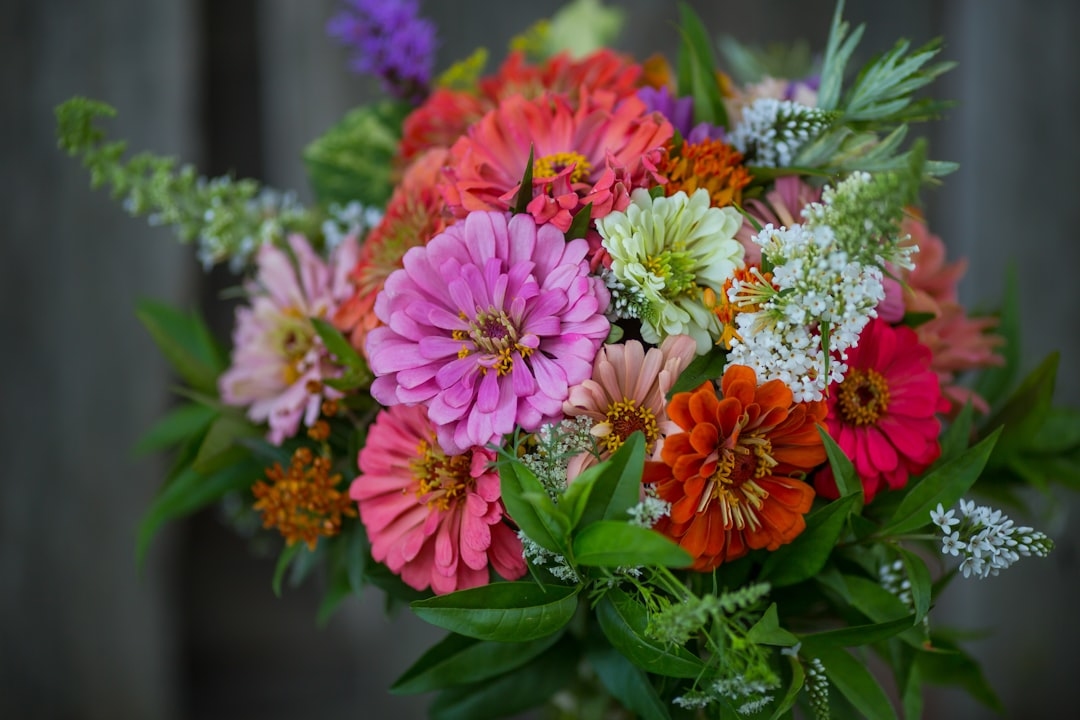
Succession-sown zinnias — specifically a planting made in late June or early July — will be in full bloom through September. The ‘Benary’s Giant’ series tops out at 4 feet and produces 4–5 inch blooms in coral, orange, scarlet, and lime. Zinnias are warm-season annuals, so they won’t survive frost, but they perform magnificently right up to the moment temperatures drop below 32°F.
Rudbeckia (Black-Eyed Susans)
Rudbeckia hirta and its cultivars bloom from July through October with almost no maintenance. The variety ‘Indian Summer’ produces flowers up to 6–9 inches across — unusually large for the species. They tolerate drought, poor soil, and heat, making them a workhorse for September borders in Zones 3–9.
Sedums and Ornamental Grasses
Sedum ‘Autumn Joy’ transitions from pink to deep rose to russet-bronze through September, providing structural interest long after petals drop. Pair it with the feathery plumes of Karl Foerster grass for a combination that stays handsome well into November. Neither requires deadheading or irrigation once established.
September Flowers in Season vs. Commonly Confused Alternatives
Gardeners often confuse asters with echinacea (coneflowers) at the garden center. Both are daisy-form perennials, both attract pollinators, and both appear in similar color ranges. The key difference: echinacea peaks in July and August, and by September, most cultivars have finished blooming and are setting seed. If you’re shopping for fall color, a flat of asters in September will deliver; a flat of echinacea almost certainly won’t. Check the tag — and check the buds. Asters will have tight, unopened buds in abundance. Echinacea in September will show mostly spent cones.
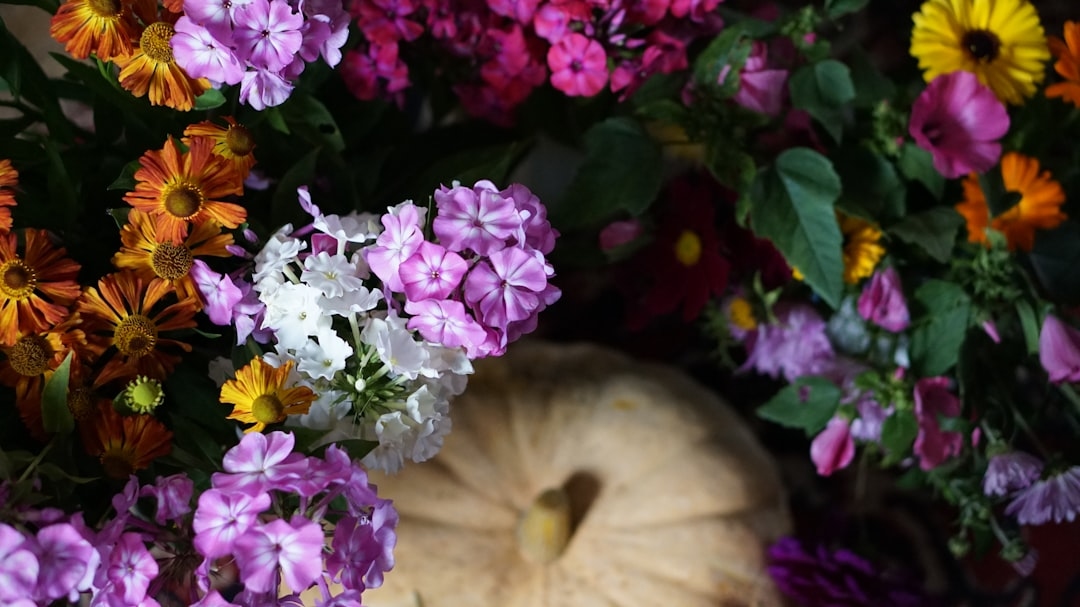
Expert Tip: Time Your Dahlia Harvest for Maximum Vase Life
“Cut dahlias in the early morning or evening, never midday. Immediately place stems in cool water — around 50°F — for a two-hour conditioning period before arranging. This alone doubles vase life for most varieties.”
— Marguerite Hollis, Certified Professional Horticulturist and owner of Fieldstone Cut Flower Farm, Willamette Valley, OR
Practical Tips for Getting the Most Out of September Blooms
- Fertilize dahlias one last time around September 1 with a low-nitrogen, high-potassium fertilizer (look for an NPK ratio like 5-10-10) to push late-season bloom size.
- Stake asters now if you haven’t already. By September, a 4-foot New England aster in rain is a 4-foot aster lying flat on the ground.
- Let rudbeckia go to seed in at least one section of your garden. Birds feed on the seed heads through winter, and the plants self-sow reliably, saving you money on replacements next spring.
- Watch the 10-day forecast. If a frost is predicted before October 1, cut your dahlia tubers’ foliage back to 6 inches and mulch heavily — or dig and store. A surprise early frost in Zone 6 can wipe out tubers you’ve grown for 3–4 years.
- For grocery-store or farmers market resellers: zinnias and dahlias retail at $8–$18 per bunch at urban US farmers markets in September, often higher than July prices due to heat-related supply drops elsewhere.
FAQ: September Flowers in Season
What flowers bloom naturally in September in the US?
Dahlias, asters, rudbeckia, zinnias, sedum, goldenrod, ornamental grasses, and late sunflowers bloom naturally in September across most of the continental US. Native species like New England asters and goldenrod peak specifically in September and October.
Are dahlias in season in September?
Yes. Dahlias are at peak production in September in most of the US. Tubers planted in late spring hit their stride in late summer and continue blooming until the first hard frost, typically producing their largest and most vibrant flowers during cool September nights.
What fall flowers can I plant in September for color now?
For immediate color, transplant established asters, ornamental kale, pansies, and mums (chrysanthemums) in September. These are sold in bloom at most garden centers and will establish quickly in September’s cooler soil temperatures. Avoid starting annuals from seed at this point — there isn’t enough growing season left in most US zones.
How do September flowers differ from summer flowers?
September flowers generally tolerate cooler soil and shorter day lengths. Many — like asters and sedums — actually require shorter days to trigger blooming. Summer flowers like petunias, impatiens, and marigolds remain productive in September but decline rapidly once night temperatures consistently drop below 50°F.
What are the best September flowers for cut flower arrangements?
Dahlias, zinnias, and asters are the top three for September arrangements. Dahlias provide drama and scale, zinnias add bold color, and asters bring texture and a soft, cloud-like filler quality. Add sedum and ornamental grasses for structure and the arrangement holds its shape for 7–10 days.
Plan Now for Next September
The gardeners who have stunning September gardens didn’t start thinking about it in August. Dahlia tubers go in the ground in May. Asters and rudbeckia get divided and repositioned in early spring. Zinnia successions require planting dates marked on a calendar in June. If you’re reading this in September and your garden is thin, take notes — not just on what’s missing, but on what’s thriving in your neighbors’ beds and at the farmers market. Then order tubers and bare-root perennials in October when nurseries discount fall inventory by 30–50%. September shows you what’s possible. October is when you act on it.