Contents:
- Why July Is a Peak Month for Seasonal Blooms
- July Flowers in Season: The Full Lineup
- Zinnias
- Dahlias
- Sunflowers
- Lavender
- Lisianthus
- Black-Eyed Susans and Coneflowers
- Gladiolus
- Quick Cost Breakdown: Buying vs. Growing July Blooms
- July Flowers vs. Commonly Confused Alternatives
- Common Mistakes to Avoid
- Practical Tips for DIY Floral Projects in July
- Frequently Asked Questions
- What flowers are in season in July in the US?
- What is the most affordable July flower for DIY projects?
- Are peonies in season in July?
- How do I make July cut flowers last longer?
- Can I grow july flowers in season in containers?
- Plan Your July Garden Now
July is the single most abundant month for cut flowers in the United States — with over 60 species hitting their peak bloom simultaneously across USDA hardiness zones 4 through 9. That’s not a coincidence. The combination of long daylight hours, warm nights, and accumulated soil heat creates a perfect storm for flower production that no other month can match. If you’ve ever walked through a farmers market in mid-July and felt genuinely overwhelmed by color, now you know why.
For DIY enthusiasts — whether you’re arranging bouquets, pressing flowers, or planting a cutting garden — knowing your july flowers in season gives you a real advantage. You’ll spend less, get fresher blooms, and work with stems that actually last.
Why July Is a Peak Month for Seasonal Blooms
Flower seasonality isn’t random. It’s driven by photoperiodism — the way plants respond to day length — plus temperature thresholds and pollinator activity. July sits at the sweet spot where spring-planted annuals have matured and summer perennials are in full swing, while fall bloomers haven’t yet started their countdown.
In practical terms, this means your local flower farm or garden center is running at full capacity. Wholesale prices drop, quality goes up, and variety explodes. A stem of locally grown zinnias that costs $0.50 at a July farm stand might run $2.00 or more in October when supply tightens.
July Flowers in Season: The Full Lineup
Zinnias
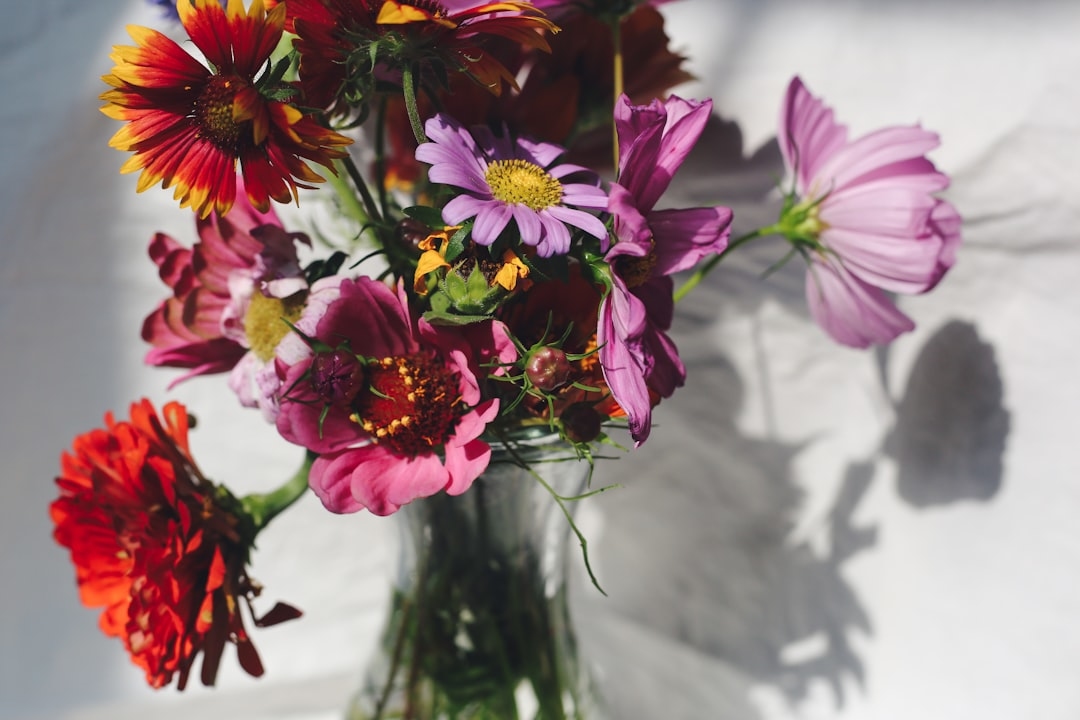
Zinnias are arguably the defining flower of July. They come in every color except true blue, bloom prolifically from June through frost, and cost almost nothing to grow from seed (a $3 packet can yield 50+ plants). As cut flowers, they last 7 to 10 days in a vase. Look for ‘Benary’s Giant’ or ‘Queen Lime’ varieties for showstopping arrangements.
Dahlias
Dahlias start peaking in mid-July in most of the country, especially in the Pacific Northwest and Upper Midwest. Dinner plate varieties can reach 10 to 12 inches across. Tubers planted in May will produce their first blooms right on schedule. At a farmers market, expect to pay $4 to $8 per stem for large dinner plate dahlias — but grow your own and the cost drops to under $1 per bloom after the first season.
Sunflowers
Standard sunflowers (Helianthus annuus) take 70 to 85 days from seed to bloom. Plant in late April and you’ll have stems by early-to-mid July. Multi-branching varieties like ‘Lemon Queen’ or ‘Earthwalker’ produce dozens of stems per plant rather than one. They’re also among the easiest flowers to grow in hot, dry conditions — no babying required.
Lavender
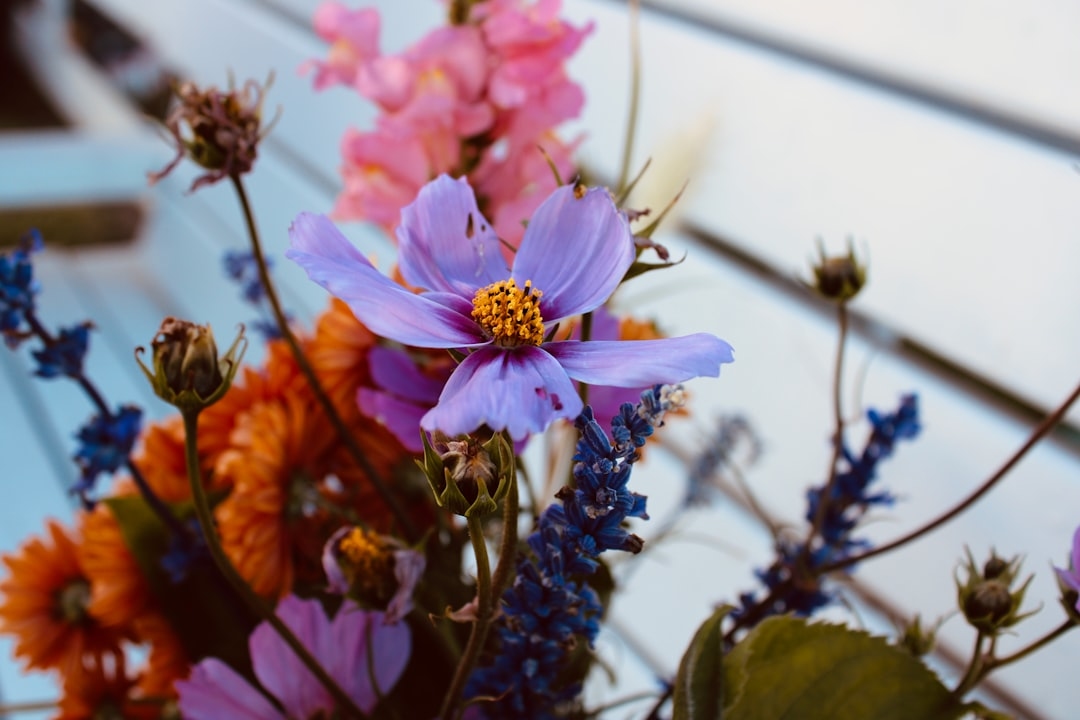
English lavender (Lavandula angustifolia) peaks in late June through early July in zones 5 to 8. It’s at its most fragrant just before the buds fully open. For DIY projects — sachets, dried bundles, wreaths — harvest in the morning when essential oil concentration is highest. A single established plant can yield 50 or more stems.
Lisianthus
Often mistaken for peonies or roses, lisianthus (Eustoma grandiflorum) is a July staple in professional floral design. The blooms are ruffled, long-lasting (up to 14 days cut), and available in white, purple, pink, and bicolor. They’re harder to grow from seed than zinnias — most home gardeners buy transplants — but worth every bit of effort for arrangements that look genuinely expensive.
Black-Eyed Susans and Coneflowers
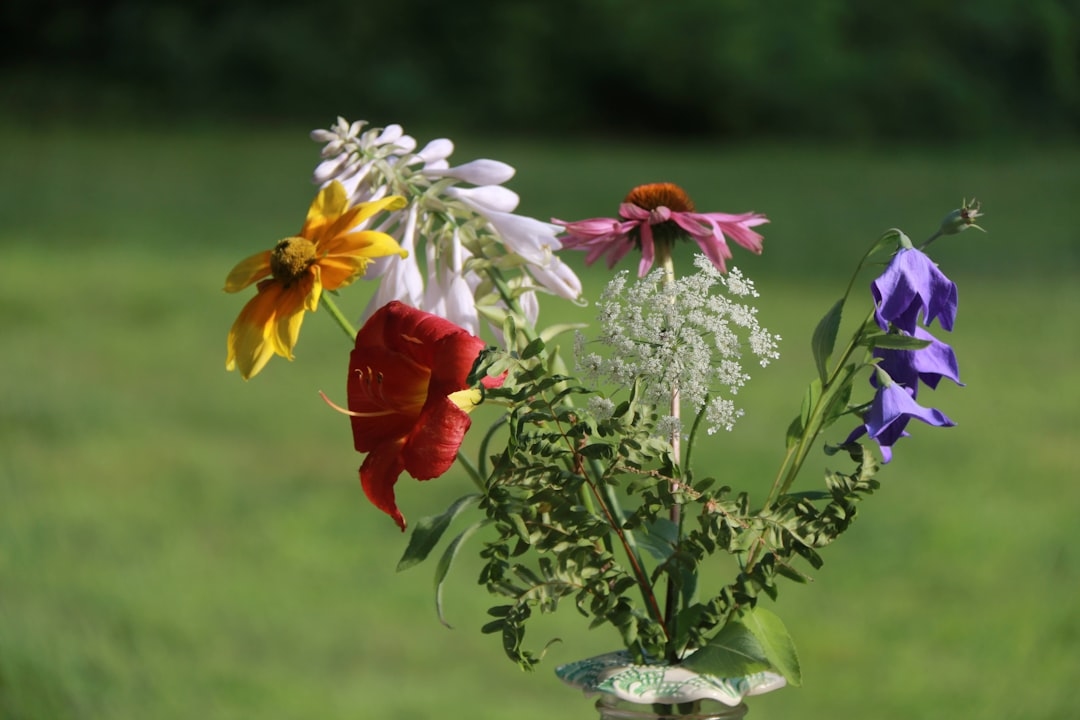
These native perennials are workhorses of the July garden. Black-eyed Susans (Rudbeckia hirta) and purple coneflowers (Echinacea purpurea) both peak in July, attract pollinators aggressively, and return year after year once established. As cut flowers, they add a wildflower texture that softens more formal arrangements. They’re also nearly maintenance-free after the first growing season.
Gladiolus
Glads planted in May will produce their dramatic spikes in July. Each corm produces one main spike with 12 to 20 individual florets that open progressively from bottom to top over 7 to 10 days. They’re one of the most cost-effective flowers you can grow for cutting — a bag of 50 corms runs $15 to $25, and each corm produces one spike.
Quick Cost Breakdown: Buying vs. Growing July Blooms
- Zinnias: $3 seed packet → 50+ plants vs. $8–$12/bunch at a florist
- Dahlias: $3–$8/tuber → multiple seasons of blooms vs. $4–$8/stem retail
- Sunflowers: $4 seed packet → 20+ plants vs. $2–$4/stem at a grocery store
- Gladiolus: $20 for 50 corms → 50 spikes vs. $3–$5/spike retail
- Lavender: $8–$12/plant (perennial) → harvests for years vs. $6–$10/bunch
The math strongly favors growing your own, especially for flowers you use regularly in DIY projects. Even a small 4×8 raised bed dedicated to cutting flowers can produce $200+ worth of retail-equivalent blooms over a single July.
July Flowers vs. Commonly Confused Alternatives
Lisianthus vs. Peonies: This is the big one. Peonies are a spring flower — their season wraps up by late June in most of the US. If you see “peonies” at a florist in July, they’re either imported (likely from South America, adding significant cost) or they’ve been cold-stored, which shortens their remaining vase life. Lisianthus gives you a nearly identical ruffled look with petals that are actually in their prime. In July, always choose lisianthus over imported peonies for freshness and value.
Similarly, lavender is sometimes confused with statice (Limonium sinuatum), which is also in season in July and often used as a filler. Statice dries papery and stiff; lavender retains fragrance and flexibility when dried. They serve different purposes — know which one you actually need before you buy.
Common Mistakes to Avoid
- Harvesting too late in the day. Cut flowers in the early morning when stems are fully hydrated. Midday heat causes rapid wilting, even in water.
- Skipping the conditioning step. After cutting, place stems in warm water (not cold) and let them rest in a cool, dark space for at least 4 hours before arranging. This extends vase life significantly.
- Planting all at once. Succession planting zinnias, sunflowers, and gladiolus every 2 to 3 weeks ensures continuous blooms rather than one giant flush that fades by late July.
- Using tap water with high chlorine content. Let tap water sit for an hour before using it for cut flowers, or add a commercial flower preservative to neutralize chlorine and feed the stems.
- Ignoring foliage below the waterline. Any leaves submerged in vase water will rot quickly, contaminating the water and shortening bloom life. Strip all foliage from the lower two-thirds of each stem.
Practical Tips for DIY Floral Projects in July
July blooms are forgiving to work with, but a few techniques make a big difference in your finished projects.
For bouquets, follow the “thriller, filler, spiller” framework: one bold focal flower (dahlia or sunflower), two or three supporting textures (zinnias, lisianthus, coneflower), and something trailing or loose (lavender, black-eyed Susan foliage). A well-structured July bouquet typically uses 5 to 7 stem varieties and costs $15 to $25 in materials if you’re growing your own.
For dried flower projects — wreaths, wall hangings, sachets — July is your prime harvest window. Lavender, statice, and strawflower (another July bloomer) all air-dry beautifully when hung upside down in a warm, ventilated space for 2 to 3 weeks. Harvest before blooms are fully open for the best color retention after drying.
For pressed flower art, zinnias and black-eyed Susans press cleanly and retain vibrant color. Use a microwave flower press for results in minutes rather than weeks — a quality press runs $25 to $40 and pays for itself quickly if you press flowers regularly.
Frequently Asked Questions
What flowers are in season in July in the US?
The most widely available july flowers in season across the US include zinnias, dahlias, sunflowers, lavender, lisianthus, gladiolus, black-eyed Susans, and coneflowers. Availability varies slightly by region — dahlias peak earlier in the Pacific Northwest, while zinnias thrive longest in the South and Midwest.
What is the most affordable July flower for DIY projects?
Zinnias are the most cost-effective option. A single $3 seed packet planted in May can produce 50 or more plants, each yielding multiple stems throughout July and beyond. They’re easy to grow, come in dozens of colors, and last 7 to 10 days when cut properly.
Are peonies in season in July?
No. Peonies are a spring flower and their US season typically ends by late June. Any peonies sold in July have been imported or cold-stored, which means reduced freshness and higher cost. Lisianthus is an excellent July alternative with a similar ruffled appearance.
How do I make July cut flowers last longer?
Cut stems at a 45-degree angle, remove submerged foliage, and condition in warm water for 4+ hours before arranging. Change vase water every 2 days, keep arrangements out of direct sunlight and away from ripening fruit (which emits ethylene gas), and recut stems every few days.
Can I grow july flowers in season in containers?
Yes. Zinnias, dwarf sunflowers, lavender, and compact dahlia varieties all perform well in containers sized 12 inches or larger. Use a high-quality potting mix, ensure drainage holes, and water more frequently than in-ground plants — containers dry out fast in July heat.
Plan Your July Garden Now
The flowers you have in July depend almost entirely on decisions made in April and May. If you’re reading this mid-summer and feeling behind, start a list for next year: which blooms did you wish you’d grown? Which ones cost too much at the florist? Use that list to plan your seed and tuber orders this fall — most dahlia tubers and specialty zinnia seeds sell out by February.
And if July is happening right now for you, get to your nearest farmers market or local farm stand. Buy what’s peak, buy what’s local, and experiment. The best DIY floral work happens when the ingredients are so fresh they practically arrange themselves.