Contents:
- Why June Is a Uniquely Productive Month for Flowers
- Top June Flowers in Season Across the US
- Peonies (Paeonia lactiflora)
- Lavender (Lavandula angustifolia)
- Roses (Rosa spp.)
- Foxglove (Digitalis purpurea)
- Allium (Ornamental Onion)
- Baptisia (False Indigo)
- Yarrow (Achillea millefolium)
- Quick Cost Breakdown: Building a June Cutting Garden
- Practical Tips for DIY Enthusiasts Working with June Blooms
- Harvesting at the Right Time
- Conditioning Stems Before Arranging
- Preserving June Blooms for Later Projects
- Frequently Asked Questions About June Flowers in Season
- What are the most common flowers in season in June in the US?
- Are peonies always available in June?
- What June flowers are best for DIY bouquets and arrangements?
- How much do June flowers cost at farmers markets vs. growing your own?
- What flowers should I plant now to bloom next June?
- Plan Now for a Better June Garden Next Year
Many gardeners assume June is simply a continuation of spring blooms — a gentle fade from May’s glory into summer’s heat. That’s a misconception worth correcting. June is one of the most florally distinct months of the year, with its own cast of peak bloomers that overlap almost nowhere else on the calendar. Understanding which june flowers are in season means you can plan garden designs, cut flower arrangements, and DIY projects around blooms at their absolute prime — not past it.
Why June Is a Uniquely Productive Month for Flowers
June sits at a botanical crossroads. In USDA Hardiness Zones 4 through 9 — which covers the vast majority of the continental United States — daytime temperatures average between 70°F and 85°F, soil is fully warm, and daylight hours peak around the summer solstice on June 21. That combination triggers flowering in plants that need both warmth and long days to bloom.
Spring ephemerals like tulips and daffodils have already gone dormant. True midsummer flowers like black-eyed Susans are just getting started. June belongs to a specific group of plants that evolved to capitalize on this precise window. Knowing them gives you a real edge as a DIY gardener or home florist.
Top June Flowers in Season Across the US
Peonies (Paeonia lactiflora)
Peonies are arguably June’s signature flower. In most of the US, they bloom from late May through mid-June, with peak bloom typically lasting just 7 to 10 days per plant. Garden-grown peonies cost nothing beyond the initial investment — bare-root plants run $8 to $25 each — but at florists and farmers markets, peony stems sell for $4 to $9 per stem in June, dropping noticeably by July when supply tightens.
For DIY arrangements, harvest peonies when the buds feel like a soft marshmallow. They’ll open fully within 24 to 48 hours at room temperature. A single established peony plant can produce 30 to 50 blooms in a good season.
Lavender (Lavandula angustifolia)
English lavender reaches peak bloom in June across Zones 5 through 8. It’s drought-tolerant once established and produces flowering spikes that are perfect for dried wreaths, sachets, and bouquets. Fresh-cut lavender bundles at markets sell for $5 to $12 per bunch. Growing your own from established plants (about $6 to $10 each at nurseries) pays back in just one season of harvest.
Harvest lavender when roughly half the florets on each spike have opened — this is when the essential oil concentration is highest and dried bundles hold their fragrance longest.
Roses (Rosa spp.)
June is peak rose month. The phrase “June rose” exists for a reason: hybrid teas, climbers, and shrub roses all concentrate their first and most prolific flush of blooms this month. In Zone 6, expect full bloom around June 10 to 20, give or take a week depending on the cultivar. A single established rose bush can yield 20 to 40 cut stems in a season, with June accounting for 30 to 40% of that total.
For DIY bouquets, cut roses early in the morning, remove leaves below the waterline, and place stems immediately into warm water with a commercial floral preservative. Stems cut correctly can last 7 to 12 days in a vase.
Foxglove (Digitalis purpurea)
Foxglove is a biennial that blooms in its second year, producing tall spikes of tubular flowers in white, pink, purple, and cream. It peaks in June in Zones 4 through 9 and grows 3 to 5 feet tall — a dramatic vertical element for garden beds and large arrangements. Seed packets cost $2 to $4, and starting them in summer means free blooms the following June.
Allium (Ornamental Onion)
Allium is having a well-deserved moment in American gardens. Varieties like ‘Gladiator’ and ‘Purple Sensation’ send up globe-shaped flower heads 4 to 5 inches in diameter on 24- to 36-inch stems in June. They’re deer-resistant, drought-tolerant, and stunning in both garden beds and cut arrangements. Bulbs cost $1 to $3 each, and they naturalize over time, meaning the patch grows without additional investment.
Baptisia (False Indigo)
Less celebrated but quietly spectacular, baptisia blooms in June with lupine-like spikes in blue, white, or yellow. It’s a native perennial suited to Zones 3 through 9, thrives in poor soil, and lives for decades with zero division needed. A 1-gallon nursery plant runs $10 to $18. By year three, a single clump can reach 3 to 4 feet wide and tall — a living statement piece that costs almost nothing to maintain.
Yarrow (Achillea millefolium)
Yarrow blooms from June through August, making it one of the more extended seasonal performers. Its flat-topped flower clusters in yellow, red, pink, and white dry exceptionally well — pressed or hung upside down in a dry space for two to three weeks, they retain color for months. Fresh bundles at farmers markets sell for $4 to $8. Established plants spread readily and can be divided every two to three years for free plant propagation.
Quick Cost Breakdown: Building a June Cutting Garden
If you’re planning a dedicated cutting garden focused on June blooms, here’s a realistic first-year budget for a 4×8-foot raised bed:
- Peonies (3 bare-root plants): $24 to $75
- Lavender (4 plants): $24 to $40
- Allium bulbs (12 bulbs): $12 to $36
- Foxglove seeds: $3 to $5
- Yarrow (2 plants): $14 to $24
- Raised bed materials and soil (if starting fresh): $60 to $120
- Total estimated first-year cost: $137 to $300
By year two, most of these plants are established and self-sustaining. The per-stem cost of home-grown June flowers drops to well under $0.50, compared to $3 to $9 per stem at retail.
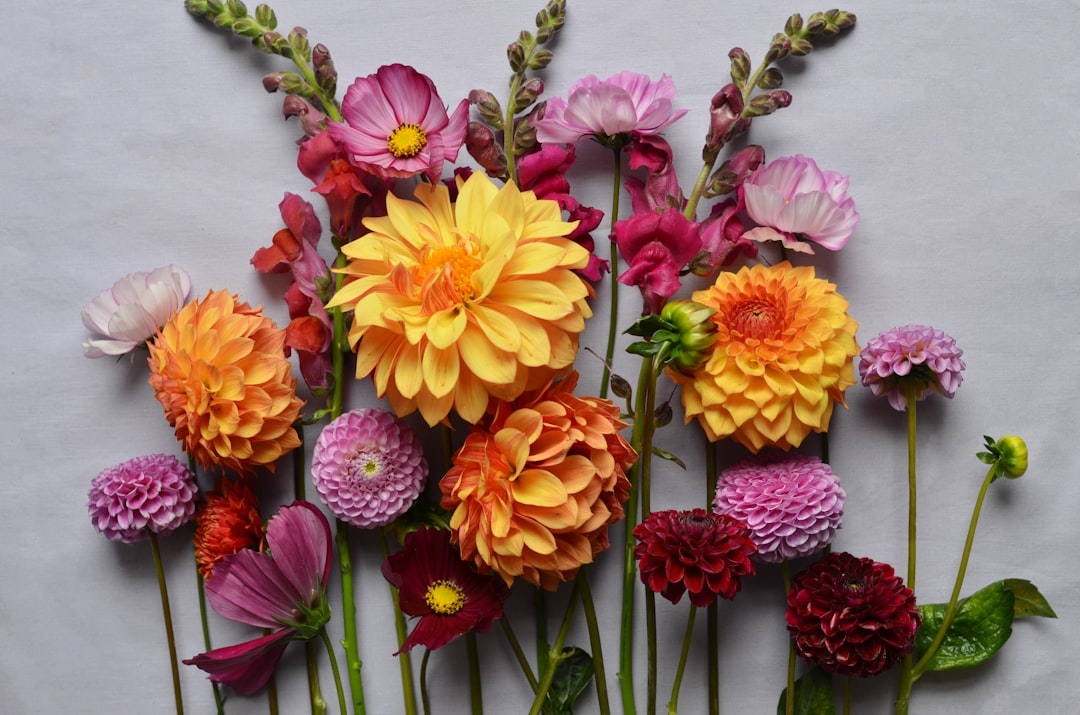
What the Pros Know: Professional florists and garden designers rarely rely on a single bloom type. They build what’s called a “thriller, filler, spiller” structure — one tall dramatic flower (foxglove, allium), one medium fluffy bloom (peony, rose), and one fine-textured filler (yarrow, lavender). Applying this to your June garden or arrangements creates depth and visual interest without any formal design training. Plant in odd-numbered groupings of 3 or 5 for the most natural look.
Practical Tips for DIY Enthusiasts Working with June Blooms
Harvesting at the Right Time
Timing your harvest correctly extends vase life dramatically. Most June flowers should be cut in the early morning, before 9 a.m., when stems are fully hydrated from overnight humidity. Avoid cutting during midday heat — stems harvested at peak afternoon temperatures can lose up to 30% of their hydration within minutes of cutting.
Conditioning Stems Before Arranging
After cutting, place stems in a bucket of cool water in a shaded, cool space for a minimum of four hours — ideally overnight. This “conditioning” process allows stems to hydrate fully before they’re arranged. Flowers conditioned this way consistently outlast those arranged immediately after cutting by three to five days.
Preserving June Blooms for Later Projects
Many June flowers preserve beautifully for wreaths, pressed art, and seasonal décor. Peonies pressed between heavy books or in a flower press retain their shape for paper crafts. Lavender and yarrow hang-dry in two to three weeks. Allium seed heads, left to dry on the stem, make striking dried arrangements that last indefinitely.
Frequently Asked Questions About June Flowers in Season
What are the most common flowers in season in June in the US?
The most common June flowers in season across the US include peonies, roses, lavender, foxglove, allium, yarrow, and baptisia. Availability varies slightly by USDA Hardiness Zone — gardeners in Zone 4 may see peak blooms a week or two later than those in Zone 7.
Are peonies always available in June?
In most of the continental US, peonies bloom from late May through mid-June. Their peak window is short — typically 7 to 10 days per plant — so early June is usually the best time to find them fresh at markets or in the garden.
What June flowers are best for DIY bouquets and arrangements?
Roses, peonies, and lavender are the top choices for DIY bouquets because they’re widely available, hold well in water, and have long vase lives when properly conditioned. Yarrow and foxglove work well as structural fillers and vertical accents in larger arrangements.
How much do June flowers cost at farmers markets vs. growing your own?
At US farmers markets, expect to pay $4 to $9 per stem for peonies, $3 to $8 per rose stem, and $5 to $12 per lavender bunch. Growing your own reduces per-stem costs to under $0.50 by the second year, with an initial investment of $137 to $300 for a small cutting garden.
What flowers should I plant now to bloom next June?
To maximize next June’s blooms, plant peony bare roots and allium bulbs in fall (September through October). Start foxglove seeds in summer for second-year flowering. Plant lavender and yarrow as nursery starts in spring for blooms the following June.
Plan Now for a Better June Garden Next Year
June’s blooms don’t happen by accident. The peonies at their peak, the lavender humming with bees, the allium globes catching the solstice light — all of it started with bulbs planted in October or seeds sown the previous summer. The best time to start planning next June’s cutting garden is the moment this one impresses you.
Keep a bloom journal this season. Note which flowers peaked on which dates, which lasted longest in a vase, and which you wished you had more of. That record becomes your planting guide for fall, and fall planting becomes next June’s abundance. Start small — even a 4×8-foot bed of the varieties above gives you enough stems for weekly arrangements from early June through the solstice, with plenty left over for drying and seasonal projects.