Contents:
- Understanding Why Clematis Leaves Turn Brown
- The Most Common Causes of Clematis Leaves Turning Brown
- Clematis Wilt (Phoma clematidina)
- Underwatering and Drought Stress
- Sun Scorch
- Overwatering and Root Rot
- Fertilizer Burn
- Clematis Wilt vs. Drought Stress: How to Tell Them Apart
- Expert Tip: Don’t Skip the Root Zone
- Practical Steps to Treat Brown Clematis Leaves
- Preventing Brown Leaves Next Season
- Frequently Asked Questions About Clematis Leaves Turning Brown
- Can clematis recover from brown leaves?
- Should I cut back clematis with brown leaves?
- Why are my clematis leaves brown and crispy?
- How much water does clematis need to prevent brown leaves?
- Is clematis wilt the same as brown leaves from overwatering?
Brown clematis leaves get blamed on one thing almost every time: clematis wilt. And honestly? That reputation is only half-deserved. Yes, wilt is real and worth knowing about, but it’s far from the only reason your beautiful climber might be looking a little crispy. Before you yank it out of the ground, let’s figure out what’s actually going on—and what you can do about it starting today.
Understanding Why Clematis Leaves Turn Brown
Clematis is one of the most rewarding vines you can grow, draping fences and trellises in blooms from spring through fall depending on the variety. But it does come with a learning curve. The plant has specific needs around soil moisture, sun exposure, and root protection—and when even one of those is off, the foliage starts telling you about it in the most dramatic way possible.
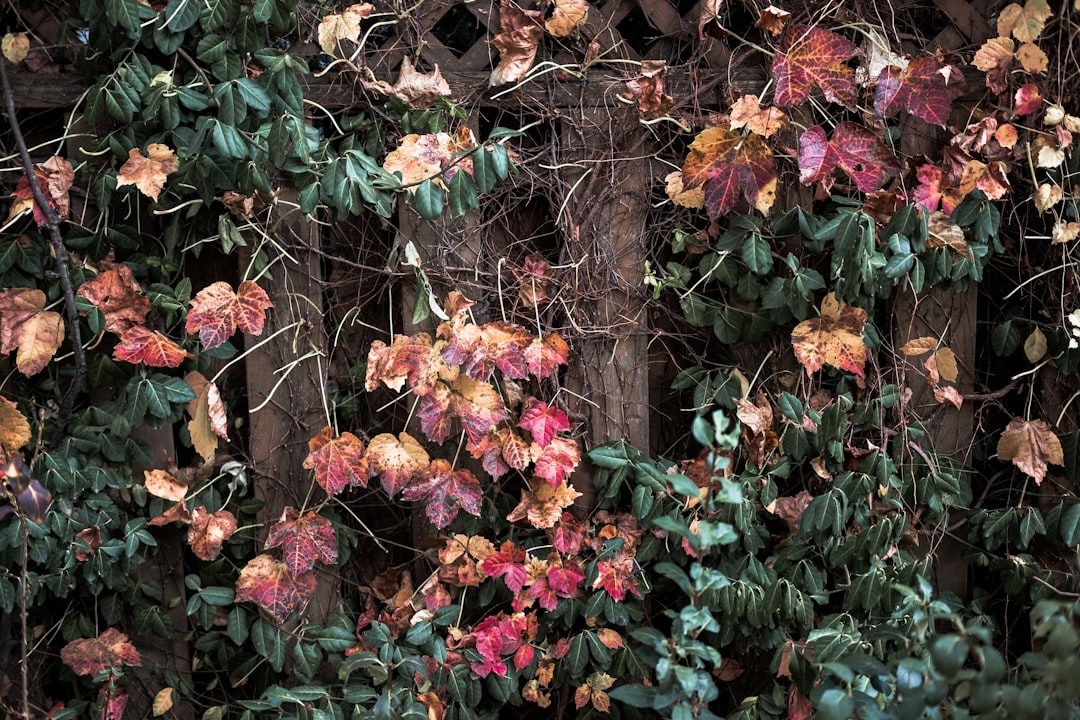
Browning leaves are the plant’s distress signal. The key is reading how they’re browning—because the pattern tells you everything about the cause.
The Most Common Causes of Clematis Leaves Turning Brown
1. Clematis Wilt (Phoma clematidina)
This is the big one. Clematis wilt is a fungal disease that causes sudden, dramatic collapse—stems and leaves go from healthy green to completely brown and limp seemingly overnight. It typically affects large-flowered hybrid varieties, especially those in USDA Hardiness Zones 4–9. Small-flowered species like Clematis viticella and Clematis tangutica are far more resistant.
The telltale sign: browning starts at the tips of one or two stems while the rest of the plant looks fine. Within a day or two, entire stems collapse. If you slice an affected stem near the base, you may see dark brown discoloration inside the tissue.
What to do: Cut the affected stems back to healthy tissue—or all the way to the ground if needed. Sterilize your pruners with a 10% bleach solution between cuts. Don’t compost the removed material; bag it and throw it away. The good news? Clematis wilt almost never kills the plant’s root system. Most clematis come back vigorously the following season, and many re-sprout within the same growing season.
2. Underwatering and Drought Stress
Clematis is thirsty. During the growing season, established plants need about 1 inch of water per week, and young plants need even more—closer to 1.5 inches while they’re getting established in their first two years. When the soil dries out, leaf edges turn brown and papery first, then the browning spreads inward.
This is especially common in July and August when temperatures spike. A layer of mulch 2–3 inches deep around the base of the plant (kept away from the crown) dramatically reduces moisture loss and keeps roots cool.
3. Sun Scorch
Clematis loves sun on its foliage—at least 6 hours of direct sun per day for most varieties. But the roots? They want to stay cool and shaded. When both the top and the root zone get baked by afternoon sun, the plant can’t take up water fast enough to compensate, and leaves scorch. Browning appears on the side of the plant facing the most intense afternoon light, usually the west-facing side.
Placing a flat stone, a low-growing perennial, or even a small piece of burlap over the root zone can reduce soil temperature by as much as 10°F—enough to make a real difference.
4. Overwatering and Root Rot
Too much water is just as damaging as too little. Clematis absolutely requires well-draining soil. In heavy clay or compacted beds where water pools, roots suffocate and rot, which causes browning leaves across the entire plant—not just at the tips. The foliage may also look yellow-green before turning brown.
If you suspect root rot, carefully dig around the base and check the roots. Healthy roots are firm and white or tan; rotted roots are dark, mushy, and may smell sour. Improving drainage by amending with compost or perlite can save a plant in early stages of rot.
5. Fertilizer Burn
A feeding mistake can show up fast. Applying granular fertilizer too close to the crown, or using a high-nitrogen fertilizer at the wrong time, can chemically burn roots and cause brown leaf margins within a week. Always water thoroughly before and after fertilizing, and keep granules at least 6 inches away from the main stem.
Clematis Wilt vs. Drought Stress: How to Tell Them Apart
These two causes are frequently confused—and treating one like the other makes things worse. Here’s how to tell them apart quickly:
- Clematis wilt: Browning is sudden (overnight to a few days), affects whole stems, leaves may still feel slightly pliable before wilting completely, and the problem usually starts mid-season after a wet spell.
- Drought stress: Browning develops gradually over a week or more, starts at leaf edges, affects the whole plant somewhat evenly, and soil around the base feels dry 2 inches down.
- Key test: Push your finger 2 inches into the soil near the plant. Bone dry = drought stress. Moist or wet = suspect wilt, overwatering, or root rot.
Expert Tip: Don’t Skip the Root Zone
“The number one mistake I see with struggling clematis is treating the symptoms above ground while ignoring what’s happening at the roots. Before you reach for any spray or fertilizer, fix the soil situation first—drainage, moisture, and temperature. A happy root zone solves 80% of clematis problems on its own.”
— Dr. Marianne Kowalski, Certified Horticulturist and Extension Master Gardener, Pacific Northwest
Practical Steps to Treat Brown Clematis Leaves
- Diagnose before you treat. Check soil moisture, inspect stems for internal discoloration, and note which part of the plant is affected first.
- Prune damaged material. Whether it’s wilt or scorch, removing brown stems and leaves reduces stress on the plant and eliminates potential fungal reservoirs.
- Water deeply, not frequently. Give the root zone a thorough soak once or twice a week rather than light daily sprinkles. This encourages deep root growth.
- Mulch the root zone. Apply 2–3 inches of organic mulch (wood chips, shredded bark, or compost) in a 12-inch radius around the plant base.
- Improve drainage if needed. Raise the planting area slightly or amend heavy clay soil with coarse grit and compost before replanting or topdressing.
- Apply a balanced fertilizer in spring. Use a 10-10-10 slow-release granular fertilizer at the start of the growing season rather than mid-summer high-nitrogen feeds.
Preventing Brown Leaves Next Season
Prevention beats treatment every time. Choose wilt-resistant clematis varieties like Clematis viticella ‘Etoile Violette’ or Clematis ‘Arabella’ if you’ve had repeated problems. Plant in a location with good air circulation—crowded spots in humid climates are wilt magnets. And always plant clematis crowns about 2 inches below soil level; this encourages multiple stems to develop, so even if wilt takes one or two down, the rest of the plant can carry on.
Frequently Asked Questions About Clematis Leaves Turning Brown
Can clematis recover from brown leaves?
Yes, in most cases. If the browning is caused by wilt, drought, or scorch, the root system is usually unaffected and the plant will re-sprout. Cut back damaged stems and address the underlying cause. Many clematis recover fully within the same season or the following spring.
Should I cut back clematis with brown leaves?
Yes. Prune brown or wilted stems back to healthy green tissue, or to ground level if the damage is extensive. Always sterilize pruning tools between cuts with a 10% bleach solution to prevent spreading any fungal disease.
Why are my clematis leaves brown and crispy?
Brown, crispy clematis leaves almost always indicate drought stress or sun scorch—not wilt. Check soil moisture and look at which direction the browning faces. Water deeply and add mulch over the root zone to help the plant recover.
How much water does clematis need to prevent brown leaves?
Established clematis need approximately 1 inch of water per week during the growing season. Young plants in their first two years need 1.5 inches per week. Increase watering during heat waves or periods with less than 0.5 inches of rainfall.
Is clematis wilt the same as brown leaves from overwatering?
No, though both can look similar at first glance. Clematis wilt causes rapid collapse of individual stems, while overwatering causes slow, whole-plant decline with yellowing before browning. Check the soil: soggy soil points to overwatering; moist-but-not-wet soil with collapsed stems suggests wilt.
Your clematis isn’t giving up on you—it’s asking for help. Now that you know what to look for, you’re in a great position to respond quickly and keep those vines climbing strong. Pick up a soil moisture meter (they run about $10–$15 at most garden centers) if you want to take the guesswork out of watering, and add a clematis-specific note to your spring planting checklist: mulch the roots, choose resistant varieties, and plant just a little deep. You’ll be rewarded with fewer problems and more blooms—which is the whole point.