Contents:
- The Biology Behind Coneflower Stem Strength
- Top Reasons Coneflowers Droop — and How to Fix Each One
- Underwatering and Heat Stress
- Overwatering and Root Rot
- Insufficient Sunlight
- Pest and Disease Pressure
- Transplant Shock
- Regional Differences That Affect Coneflower Health
- Common Mistakes to Avoid
- Practical Tips to Keep Coneflowers Upright All Season
- FAQ: Coneflowers Drooping
- Why are my coneflowers drooping after rain?
- Can drooping coneflowers recover?
- How much water do coneflowers need per week?
- Why do my coneflowers droop in the afternoon but perk up at night?
- Should I cut off drooping coneflower stems?
- What to Do Right Now
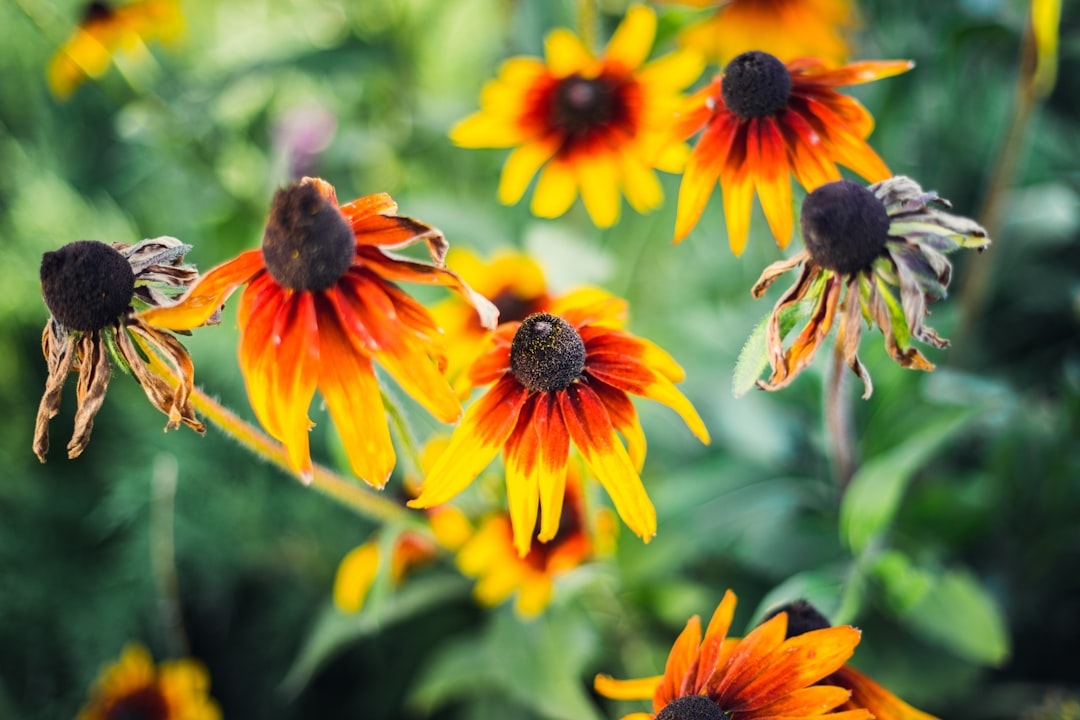
Coneflowers drooping is almost never a random event — your plant is sending a distress signal, and that signal has a specific cause you can identify and fix. Echinacea purpurea is one of the toughest native perennials in North American horticulture, capable of surviving drought, clay soil, and neglect that would kill most ornamentals. When these resilient plants slump, something is genuinely wrong.
Understanding why requires looking at the whole system: soil moisture, root health, sunlight hours, pest pressure, and even the time of year. Most drooping coneflowers recover fully once the underlying problem is corrected. A few do not — and knowing the difference early saves you weeks of futile watering.
The Biology Behind Coneflower Stem Strength
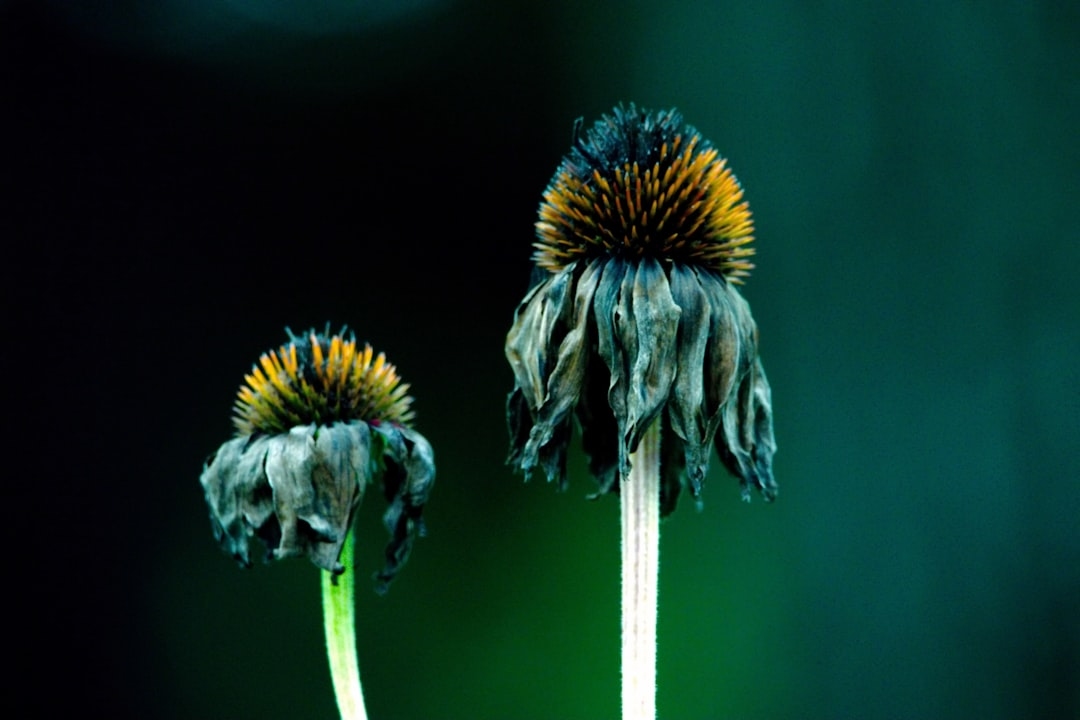
Coneflowers maintain their upright posture through turgor pressure — the internal water pressure that keeps plant cells rigid. When cells lose water faster than roots can replace it, stems lose that rigidity and droop. This process can happen within hours during a heat wave, or gradually over days during a slow-draining, waterlogged soil situation.
Native to the central prairies of North America, Echinacea evolved in deep, well-drained soils with hot summers and periodic drought. Their taproot system is designed to seek deep moisture, not to sit in saturated ground. That evolutionary background explains why many of the most common drooping problems are rooted in soil conditions that contradict the plant’s native habitat.
Top Reasons Coneflowers Droop — and How to Fix Each One
1. Underwatering and Heat Stress
The most frequent cause of coneflowers drooping, especially in July and August, is simple underwatering combined with heat stress. Established plants generally need about 1 inch of water per week. During heat events above 90°F, that requirement can double. Newly planted coneflowers — those in their first season — have shallow, undeveloped root systems and are far more vulnerable than three-year-old specimens.
The fix is straightforward: water deeply at the base of the plant, delivering moisture to a depth of 6–8 inches rather than surface sprinkling. A slow trickle from a soaker hose for 30–45 minutes is more effective than a quick overhead shower. Mulching with 2–3 inches of shredded hardwood around (but not touching) the crown dramatically reduces soil moisture loss.
2. Overwatering and Root Rot
Counterintuitively, too much water produces nearly identical symptoms to too little. When soil stays saturated, roots suffocate and begin to rot, destroying the plant’s ability to absorb any water at all. You’ll often notice yellowing lower leaves alongside the drooping — a key distinction from drought stress, which typically keeps foliage green until very late.
Check your soil drainage before assuming your coneflowers need more water. Dig down 4 inches near the base; if the soil feels wet and dense 24 hours after rainfall, drainage is the problem. Amending with coarse sand or perlite (at least 25% by volume) significantly improves aeration in clay-heavy beds.
3. Insufficient Sunlight
Coneflowers require a minimum of 6 hours of direct sunlight daily, with 8 hours being optimal for compact, upright growth. Plants receiving fewer than 5 hours of sun develop elongated, weak stems — a phenomenon called etiolation — that cannot support the weight of their characteristic large flower heads, which can reach 3–4 inches in diameter on mature plants.
If shade is the cause, relocation is the only real solution. Pruning overhanging branches to increase light penetration by even 1–2 hours per day produces measurable improvement within a single growing season.
4. Pest and Disease Pressure
Aster yellows, a phytoplasma disease transmitted by leafhoppers, causes distorted, drooping growth along with distinctive greenish or deformed flower heads. There is no cure — infected plants must be removed and destroyed (never composted) to prevent leafhopper transmission to neighboring plants. Powdery mildew, while rarely fatal, weakens stems enough to contribute to drooping in humid conditions.
Aphids and stem borers can also cause localized wilting. Check the base of stems for entry holes or frass — fine, sawdust-like excrement — which indicates borer activity. Affected stems should be cut back to healthy tissue immediately.
5. Transplant Shock
Coneflowers moved in summer, or those purchased from a nursery and planted into hot, dry ground, often droop for 1–2 weeks as their root systems adjust. This is temporary and self-correcting if watering is consistent. Wilting that persists beyond 3 weeks post-transplant suggests a more serious root establishment problem.
Regional Differences That Affect Coneflower Health
Where you garden matters enormously. In the Northeast (USDA Zones 5–6), late-season fungal diseases and heavy clay soils are the dominant culprits behind drooping, particularly in humid summers. Gardeners in the South (Zones 7–9) more commonly deal with heat stress and root rot from afternoon thunderstorms that deliver moisture faster than the soil can drain. On the West Coast, especially in California’s Mediterranean climate, summer drought is intense but soils are often well-drained — underwatering is the primary trigger, and irrigation scheduling is the most important management tool. Adjust your diagnosis based on your regional conditions rather than applying a one-size-fits-all approach.
Common Mistakes to Avoid
- Watering on a fixed schedule regardless of rainfall. Always check soil moisture first. Overwatering is as damaging as drought.
- Planting in partial shade and expecting full performance. Coneflowers labeled “tolerates part shade” will survive but rarely thrive or stand upright in those conditions.
- Cutting back drooping plants aggressively mid-season. Unless disease is confirmed, hard pruning during peak summer stress removes the plant’s photosynthetic capacity at its most vulnerable moment.
- Using high-nitrogen fertilizer. Excess nitrogen promotes lush, soft, floppy growth. If you fertilize at all, use a balanced slow-release formula (10-10-10) at half the recommended rate in early spring only.
- Ignoring soil pH. Coneflowers prefer a pH of 6.0–7.0. Outside this range, nutrient uptake is impaired even in otherwise healthy soil.
Practical Tips to Keep Coneflowers Upright All Season
Prevention is significantly less work than recovery. A few consistent practices eliminate the majority of drooping problems before they start.
- Deadhead strategically. Removing spent blooms redirects energy from seed production to stem and root development, producing stronger plants over time.
- Divide clumps every 3–4 years. Overcrowded clumps compete for water and nutrients, weakening individual stems. Division in early spring, when shoots are 2–3 inches tall, causes minimal stress.
- Stake selectively. If you’re growing tall cultivars like ‘Magnus’ (which reaches 36–40 inches), a single bamboo stake per plant placed early in the season prevents leaning without looking forced.
- Choose compact varieties for problem spots. Cultivars like ‘PowWow Wild Berry’ and ‘Cheyenne Spirit’ top out at 18–24 inches and are significantly more self-supporting than standard species plants.
FAQ: Coneflowers Drooping
Why are my coneflowers drooping after rain?
Heavy rainfall saturates soil and temporarily reduces oxygen availability to roots, causing brief wilting. If drooping persists more than 24–48 hours after rain stops, poor drainage or root rot is likely the underlying issue. Improve drainage by amending the soil with perlite or relocating plants to a raised bed.
Can drooping coneflowers recover?
Yes, in most cases. Plants drooping from drought, heat stress, or transplant shock typically recover within 24–72 hours once the stressor is addressed. Drooping caused by root rot or aster yellows is harder to reverse — root rot may respond to improved drainage if caught early, but aster yellows infection is fatal and the plant should be removed.
How much water do coneflowers need per week?
Established coneflowers need approximately 1 inch of water per week, including rainfall. During temperatures above 90°F, increase to 1.5–2 inches. Newly planted specimens need more frequent, shallow watering for the first 6–8 weeks until roots establish.
Why do my coneflowers droop in the afternoon but perk up at night?
This is classic heat stress. Transpiration (moisture loss through leaves) outpaces root water uptake during peak afternoon heat. If plants recover fully by morning, they are managing adequately. Add mulch to reduce soil temperature and water deeply in the early morning to maximize root moisture availability during the hottest part of the day.
Should I cut off drooping coneflower stems?
Only if the stem shows signs of disease, pest damage, or physical breakage. Healthy but drooping stems will often recover and continue blooming. Removing them reduces the plant’s ability to photosynthesize and recover from stress. Wait 48–72 hours after correcting the suspected cause before making any cuts.
What to Do Right Now
Start with the simplest intervention: check soil moisture at a 4-inch depth, assess sunlight hours, and inspect stems and foliage for pest or disease signs. Eliminate causes one at a time. In the majority of cases, a single adjustment — correcting irrigation, improving drainage, or adding mulch — resolves the problem within a week. If your plants continue to decline despite healthy soil moisture and full sun, pull one plant and examine the roots closely. Healthy roots are white or tan and firm; rotted roots are brown, soft, and smell of decay. That physical evidence tells you more than any symptom on the leaves above ground.