Contents:
- Why Deer Target Flowers in the First Place
- Seasonal Feeding Patterns Matter
- Which Flowers Are Deer Eating Most in Your Garden
- Regional Differences in Deer Browsing Pressure
- Proven Strategies to Stop Deer From Eating Your Flowers
- Physical Barriers
- Repellents That Actually Work
- Plant Selection as a Long-Term Defense
- Common Mistakes to Avoid
- FAQ: Deer Eating Flowers
- Why do deer eat flowers but leave other plants alone?
- What time of day are deer most likely to eat garden flowers?
- Do coffee grounds really deter deer from flowers?
- How do I know if deer are eating my flowers versus rabbits or other animals?
- Are there flowers I can plant that deer will definitely avoid?
- Protect Your Garden Before the Next Visit
You walked outside this morning to find your carefully tended flower bed stripped bare. Again. If deer eating your flowers has become a recurring nightmare, you’re not imagining things — and you’re definitely not alone. Deer damage costs American homeowners and gardeners an estimated $250 million annually, and ornamental plants are among their favorite targets. Understanding why this is happening is the first step toward actually stopping it.
Why Deer Target Flowers in the First Place
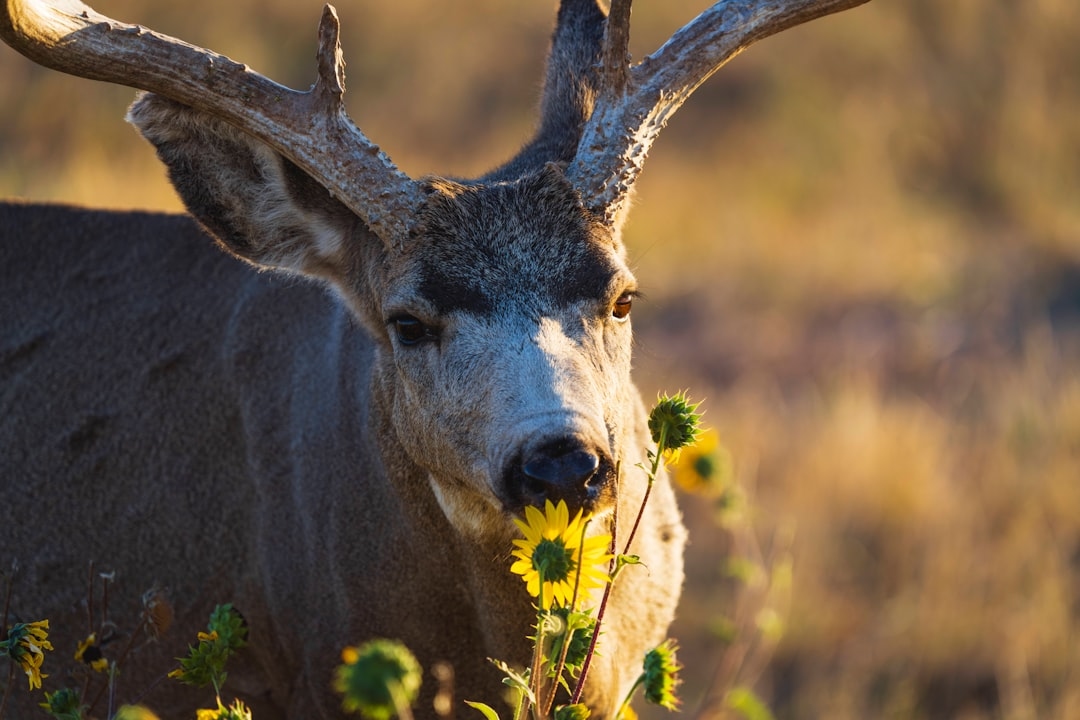
Deer are opportunistic foragers. They follow the path of least resistance to the most calorie-dense food available, and your flower garden — soft, tender, and usually well-watered — is essentially a salad bar. A white-tailed deer, the most common species in the continental US, needs to consume roughly 6 to 8 pounds of vegetation per day. Your flower beds make that quota easy to hit.
Deer are also creatures of habit. Once they find a reliable food source, they return to it — often at dawn or dusk when they’re most active and least likely to be disturbed. If you’ve spotted damage in the early morning, that’s a telling sign. Unlike rabbits, which leave clean-cut stems, deer tear and shred plant material, leaving ragged edges behind.
Seasonal Feeding Patterns Matter
Deer pressure isn’t constant year-round. Spring and early summer bring the heaviest browsing, when does are nursing fawns and nutritional demands are at their peak. Fall is the second major risk window, particularly during the rut, when bucks also rub antlers against woody stems and shrubs. If your flowers are disappearing in April through June or again in October, seasonal hunger is almost certainly the culprit.
Which Flowers Are Deer Eating Most in Your Garden
Not all flowers are equally appealing. Deer have strong preferences, and knowing which plants attract them helps you make smarter planting decisions going forward.
High-risk plants deer love to eat include:
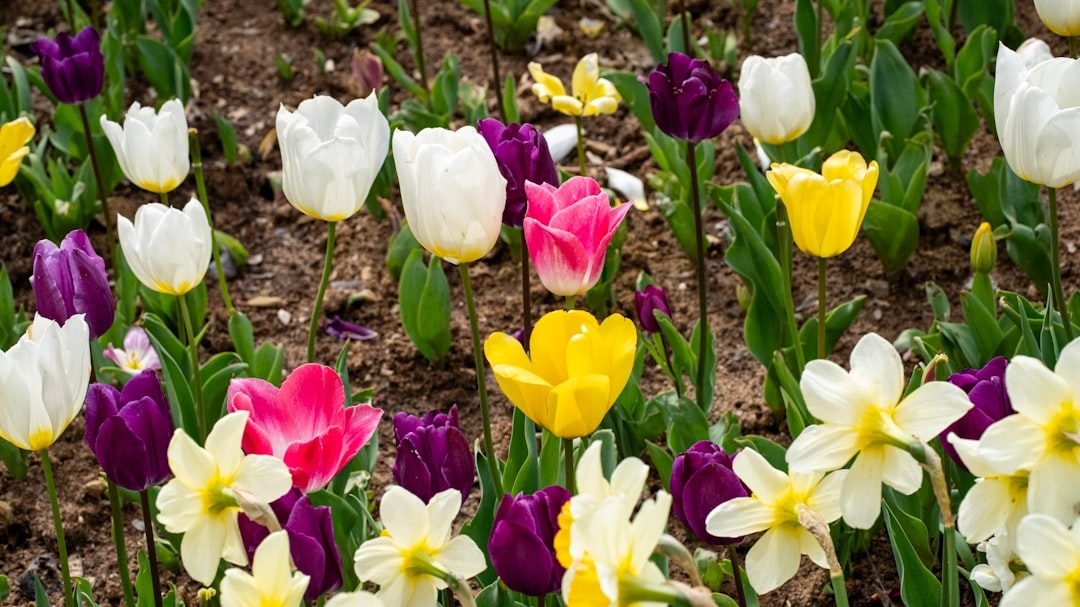
- Tulips — among the most-targeted bulbs in North America
- Hostas — virtually irresistible, especially young growth
- Daylilies (Hemerocallis spp.) — despite being otherwise tough perennials
- Impatiens — soft, moist, and easy to browse
- Roses — particularly hybrid teas and floribundas with tender new canes
- Pansies and violas — a cool-season favorite
If you’re growing these for a special occasion — say, a garden party, a wedding, or a seasonal event — deer pressure is a genuine planning concern. A deer can decimate a bed of tulips literally overnight.
Regional Differences in Deer Browsing Pressure
Where you live significantly shapes how severe your deer problem is. In the Northeast — particularly suburban areas of New York, New Jersey, Pennsylvania, and Connecticut — white-tailed deer populations are dense and heavily acclimated to human presence. Deer here are bold. They’ll browse in broad daylight, feet from your front door.
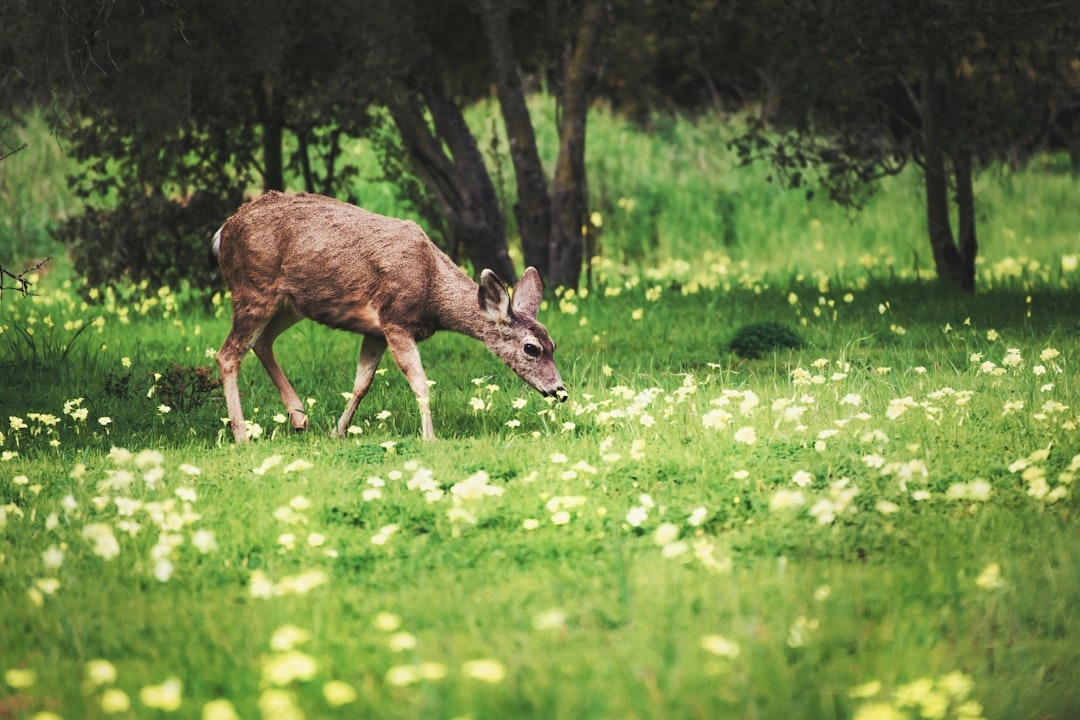
In the South, deer pressure is serious but more seasonal, often peaking during drought periods when natural food sources dry up. Gardeners in Texas, Georgia, and the Carolinas report heavy damage to ornamental beds in late summer. On the West Coast, black-tailed deer are the primary culprit in California and the Pacific Northwest. They tend to be more skittish than their Eastern cousins but are equally destructive in suburban edge habitats where neighborhoods border open land or hillside brush.
Proven Strategies to Stop Deer From Eating Your Flowers
There is no single silver bullet, but combining two or more of these approaches creates a deterrent effect that actually holds.
Physical Barriers
A fence remains the most reliable long-term solution. Deer can jump up to 8 feet, so standard 4-foot garden fencing is largely ineffective. An 8-foot woven wire fence or a double-fence system (two 4-foot fences spaced 3 feet apart — deer won’t jump what they can’t see a clear landing for) are both proven options. For raised beds or specific prized plants, individual wire cloches or netting work well seasonally.
Repellents That Actually Work
Spray repellents work best when applied consistently. Products containing putrescent egg solids (like Deer Out or Bobbex) are among the most effective on the market, with studies showing up to 90% reduction in browsing when reapplied every 2 to 4 weeks. Rain resets the clock — reapply within 24 hours of significant rainfall. Alternate between two different repellent types every month so deer don’t habituate to the scent.
Plant Selection as a Long-Term Defense
Replacing or interplanting high-risk flowers with deer-resistant varieties is the most sustainable strategy. Deer tend to avoid plants with strong scents, fuzzy textures, or bitter compounds. Reliable deer-resistant options include lavender, catmint, salvia, yarrow, foxglove, and most ornamental grasses. None are completely deer-proof — a hungry deer will eat almost anything — but they significantly reduce your risk.
Common Mistakes to Avoid
- Relying on a single repellent method indefinitely. Deer adapt. Rotate products and tactics every 4 to 6 weeks.
- Installing fencing that’s too short. Anything under 7 feet in high-pressure areas is a suggestion, not a barrier.
- Planting high-value flowers near woodland edges. Transitional zones between woods and lawn are deer highways. Keep your most vulnerable plants in open, visible areas closer to the house.
- Applying repellent only after damage occurs. Start applications in early spring, before deer establish browsing habits in your garden.
- Assuming “deer resistant” means “deer proof.” No plant is guaranteed safe during hard winters or drought stress when food is scarce.
FAQ: Deer Eating Flowers
Why do deer eat flowers but leave other plants alone?
Deer prefer plants that are high in moisture, easy to chew, and nutritionally dense. Flowers — especially annuals and young perennials — meet all three criteria. Plants with strong scents, spines, or toxic compounds are generally passed over.
What time of day are deer most likely to eat garden flowers?
Deer feed most actively at dawn and dusk. However, in suburban areas with high deer populations, midday browsing is increasingly common. If damage appears overnight, a motion-activated light or sprinkler can disrupt their routine.
Do coffee grounds really deter deer from flowers?
Coffee grounds have some anecdotal support but limited scientific backing. They may offer mild deterrence as a scent repellent but need to be refreshed frequently and work best as one layer of a multi-strategy approach, not a standalone solution.
How do I know if deer are eating my flowers versus rabbits or other animals?
Deer leave ragged, torn edges on stems and foliage. Rabbits make clean, 45-degree cuts. Deer also browse at heights up to 6 feet; damage above 18 inches is almost always deer. Look for hoof prints in soft soil nearby to confirm.
Are there flowers I can plant that deer will definitely avoid?
No flower is 100% deer-proof, but lavender, Russian sage, foxglove, and catmint are among the most reliably avoided. Deer dislike strong fragrances and plants with fuzzy or waxy leaves. Building a garden around these as the backbone — with more vulnerable plants tucked in the center — reduces overall damage significantly.
Protect Your Garden Before the Next Visit
Deer eating flowers isn’t a random act — it’s a predictable behavior driven by habit, hunger, and habitat. The gardeners who successfully protect their blooms are the ones who act proactively, combine multiple deterrent strategies, and adjust their plant selections with deer pressure in mind. Start with a quality repellent this week, assess your fencing situation before the next growing season, and consider reshaping your beds to incorporate more deer-resistant anchor plants. Your flowers — and your mornings — will be better for it.