Contents:
- Why November Blooms Deserve More Respect
- November Flowers in Season: What’s Actually Blooming
- Chrysanthemums
- Camellias
- Pansies and Violas
- Marigolds (Late Season Varieties)
- Witch Hazel
- Sweet Alyssum and Snapdragons
- What’s Available at the Flower Market in November
- Practical Tips for Working With November Flowers
- Common Mistakes to Avoid
- November Flowers in Season: FAQ
- What flowers bloom naturally in November in the US?
- Can I grow flowers outside in November?
- What are the best November flowers for cutting and arranging?
- Are there any November flowers with fragrance?
- What flowers should I plant in November for spring blooms?
- Make the Most of What November Actually Offers
What if November were actually one of the most interesting months to work with flowers? Most gardeners write off late autumn as a dead zone — bare beds, frost warnings, and a general sense of waiting for spring. But that assumption leaves a lot on the table. November has its own floral personality, and once you know what’s genuinely thriving this time of year, you’ll stop reaching for imported out-of-season blooms and start working with what’s actually alive and kicking.
This guide covers the key november flowers in season, what to expect from your garden versus the flower market, and how to make the most of autumn’s quieter but surprisingly rich palette.
Why November Blooms Deserve More Respect
November sits in a strange in-between zone — past the riot of summer color, but not yet into the true dormancy of December. In USDA Hardiness Zones 7 through 10, you still have meaningful outdoor bloom time. Even in colder Zone 5 and 6 gardens, certain cold-tolerant plants push through well into the month before hard freezes shut things down for good.
The flowers that bloom in November have evolved to handle shorter days and cooler soil temperatures — often dropping to 40–50°F — which actually concentrates their color and extends their vase life. A chrysanthemum cut in November will often outlast a July rose by a week or more in a vase.
November Flowers in Season: What’s Actually Blooming
Chrysanthemums
Chrysanthemums are the undisputed stars of the late-season garden. Hardy garden mums (as opposed to florist mums) can survive temperatures down to about 20°F and bloom reliably from September through November in most of the US. They come in a wide color range — deep burgundy, burnt orange, creamy white, and pale yellow — that maps perfectly onto the season’s aesthetic. For cut flowers, expect stems of 18–24 inches from established plants.
Camellias
Often overlooked in discussions about fall flowers, camellias are a revelation in Zones 7–10. Camellia sasanqua varieties begin blooming in October and carry through November, producing rose-like flowers in white, pink, and red. They’re particularly dramatic in the Southeast and Pacific Northwest, where mild autumns let them put on a real show. A single established shrub can produce hundreds of blooms in a season.
Pansies and Violas
These are cool-season workhorses. Pansies thrive in temperatures between 45°F and 65°F, making November their prime time across most of the country. They’re one of the few flowers you can plant in fall and expect to survive light frosts — down to about 26°F with minimal protection. As a cut flower, they’re delicate, but massed in a low bowl arrangement they’re quietly stunning.
Marigolds (Late Season Varieties)
In warmer zones (8–10), late-planted African marigolds can still be blooming in early November. The ‘Crackerjack’ variety, which tops out at 3 feet, is especially persistent. They’re not glamorous, but they bring that warm amber-gold color that feels exactly right for autumn arrangements.
Witch Hazel
One of the most underused November bloomers. Hamamelis virginiana, the native American witch hazel, blooms from October through December and is one of the only woody plants to flower after leaf drop. Its spidery yellow blossoms are fragrant and genuinely unusual — a great conversation piece in any mixed arrangement. It grows in Zones 3–8, making it one of the widest-range fall bloomers available.
Sweet Alyssum and Snapdragons
Both of these cool-season annuals can be nursing late-season blooms in November, particularly in Zones 8 and above or in sheltered microclimates further north. Snapdragons are especially worth seeking out at farmers markets and florist wholesalers this time of year — their spiral of florets along a single stem gives arrangements height and texture that’s hard to replicate.
What’s Available at the Flower Market in November
Even if your garden has wound down, the wholesale and retail flower market reflects seasonal availability in interesting ways. November is peak season for:
- Amaryllis — just coming into their holiday cycle, with stems available from $3–$6 each at most wholesale markets
- Lisianthus — often grown year-round in greenhouses, but particularly abundant in fall
- Protea — harvested in South Africa’s spring (which aligns with our fall), making November one of the best months to find fresh protea in the US
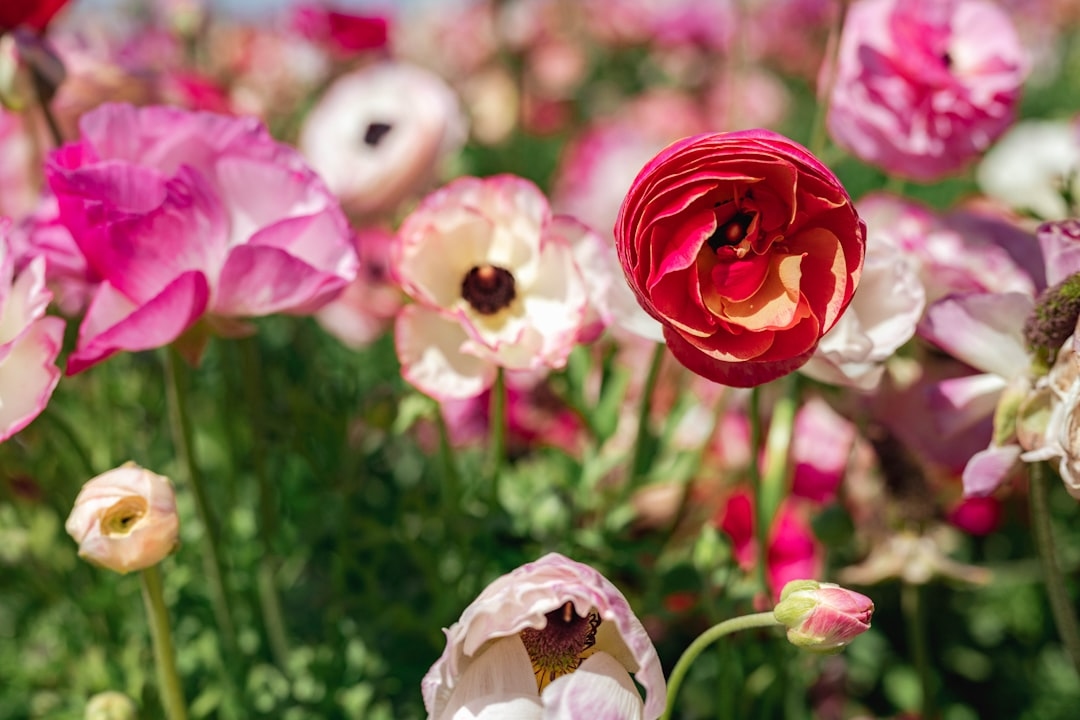
- Ranunculus — California-grown ranunculus begins hitting markets in late November as growers start their cool-season production cycle
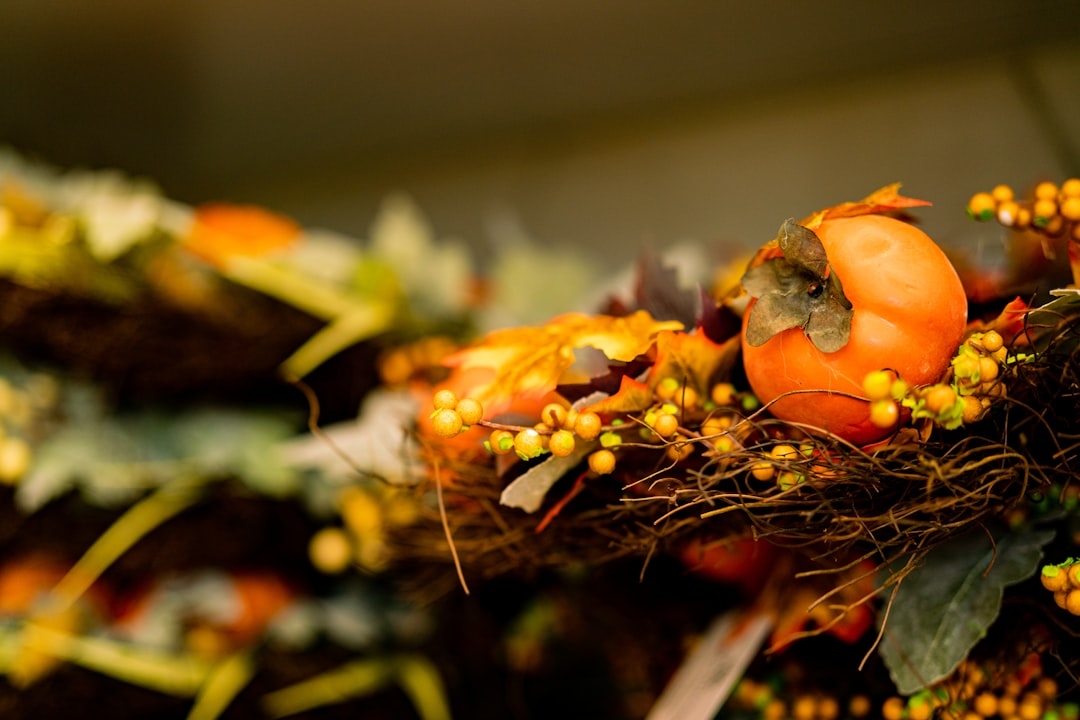
“November is actually when I get excited about sourcing,” says Dana Kellner, lead floral designer and horticulturist at Rooted Stem Studio in Portland, Oregon. “The textures available — dried seed heads, late dahlias, witch hazel, early amaryllis — let you build arrangements that feel genuinely seasonal rather than just reaching for roses because nothing else is around.”
Practical Tips for Working With November Flowers
- Condition stems in cold water: Fall-cut flowers benefit from a long drink of cool water (around 50°F) for at least 4 hours before arranging. This is especially true for mums and snapdragons.
- Watch for stem hardening in camellias: Camellia stems can air-lock if cut dry. Cut them directly into water, or recut stems under water before arranging.
- Use a floral preservative: A standard packet of floral preservative (available for about $0.50 per packet) can extend November flower vase life by 3–5 days compared to plain water.
- Supplement with foliage: November is rich in textural foliage — ornamental kale, dusty miller, and evergreen branches all extend the visual life of arrangements when fresh blooms are fewer.
Common Mistakes to Avoid
- Planting spring bulbs too late: If you’re putting in tulips or daffodils, they need to be in the ground before the soil freezes solid — ideally by mid-November in Zone 6, earlier further north.
- Cutting chrysanthemums too early: Wait until at least half the florets on a stem are open. Mums cut in tight bud often fail to open fully in the vase.
- Ignoring foliage protection: A light layer of mulch (2–3 inches of straw or shredded leaves) over the root zone of marginally hardy plants like camellias can be the difference between a plant that bounces back and one that doesn’t.
- Assuming everything needs to come from a florist: Farmers markets in November are often underestimated — many vendors carry locally grown late-season stems at 30–50% less than retail florists.
November Flowers in Season: FAQ
What flowers bloom naturally in November in the US?
In most US regions, chrysanthemums, pansies, violas, camellias (Zones 7–10), and witch hazel bloom naturally in November. In warmer zones, marigolds and snapdragons may still be producing as well.
Can I grow flowers outside in November?
Yes, depending on your zone. In Zones 7–10, a range of cool-season flowers remain viable outdoors through November. In Zones 5–6, frost-tolerant plants like pansies and ornamental kale can handle light freezes down to the mid-20s°F with minimal protection.
What are the best November flowers for cutting and arranging?
Chrysanthemums, snapdragons, lisianthus, and amaryllis are all excellent November cut flowers. They have strong stems, long vase life (7–14 days with proper care), and are widely available at wholesale and retail flower markets.
Are there any November flowers with fragrance?
Witch hazel (Hamamelis virginiana) is one of the most fragrant November bloomers, with a sweet, slightly spicy scent. Sweet alyssum also carries a honey-like fragrance and may still be blooming in warmer zones or sheltered spots.
What flowers should I plant in November for spring blooms?
November is ideal for planting spring bulbs — tulips, daffodils, hyacinths, and alliums all need a cold stratification period to bloom. Plant them at a depth of roughly 2–3 times the bulb’s diameter before the ground freezes.
Make the Most of What November Actually Offers
The gardeners who get the most out of November are the ones who stop fighting the season and start reading it. The november flowers in season — mums, camellias, witch hazel, pansies — aren’t consolation prizes. They’re genuinely interesting plants with real design potential, and many of them are dramatically easier to work with than high-summer blooms that wilt in the heat.
This month, try building one arrangement using only what’s locally available — from your garden, a farmers market, or a local wholesaler. You might be surprised how complete and compelling it can be. And while you’re at it, get those spring bulbs in the ground. Future-you, standing in a garden full of April color, will be glad November-you made the effort.