Contents:
- Why Seasonality Matters for February Flowers
- February Flowers in Season: The Full Lineup
- Tulips
- Ranunculus
- Anemones
- Hyacinths
- Daffodils and Narcissus
- Sweet Peas
- Hellebores
- Waxflower and Flowering Branches
- What the Pros Know
- Valentine’s Day Flowers vs. What’s Actually in Season
- Common Mistakes to Avoid
- Budget-Smart Ways to Build a February Arrangement
- Growing February Flowers at Home (US Zones 7–10)
- Frequently Asked Questions
- What flowers are naturally in season in February?
- Are roses in season in February?
- What is the cheapest flower to buy in February?
- How long do February flowers last in a vase?
- Where can I buy in-season February flowers on a budget?
- Plan Your February Flowers Now
Long before Valentine’s Day became a retail phenomenon, ancient Romans celebrated Lupercalia in mid-February — a festival tied to fertility and the coming of spring. They decorated with whatever bloomed in the cold: small, hardy flowers that pushed through frost-hardened soil. Thousands of years later, February still holds that same quiet tension between winter and spring. And knowing which flowers are actually growing right now — not just available in a refrigerated warehouse — changes everything about how you shop, arrange, and spend.
February flowers in season are more plentiful than most people expect. Yes, it’s cold. But the floral calendar doesn’t wait for warm weather, and some of the most beautiful blooms of the entire year peak right now.
Why Seasonality Matters for February Flowers
Buying in-season flowers isn’t just an eco-friendly talking point. It’s the difference between a $12 bunch of tulips that lasts ten days and a $12 bunch that wilts by Tuesday. Seasonal flowers are cut closer to purchase, travel shorter distances, and arrive in better condition. They’re also cheaper — growers aren’t paying for climate-controlled greenhouses or long-haul refrigerated shipping.
In the US, February sits in a transitional zone. Most of the country is still in USDA hardiness zones 3–6 winter conditions, but commercial flower production — especially in California, Florida, and imported from South America — means a surprisingly wide range of blooms are at peak availability. Dutch greenhouse production also floods the market with tulips and hyacinths starting in January.
The bottom line: February is actually a great month to buy flowers if you know what to look for.
February Flowers in Season: The Full Lineup
Tulips
Tulips are the undisputed star of February. Dutch-grown tulips hit peak market supply from late January through March, and you’ll find them in every grocery store, farmers market, and florist in the country. A standard bunch of 10 stems typically runs $6–$12 at the grocery store, making them one of the best budget buys of the year. Look for closed, firm buds — they’ll open beautifully over 3–5 days at room temperature.
Ranunculus
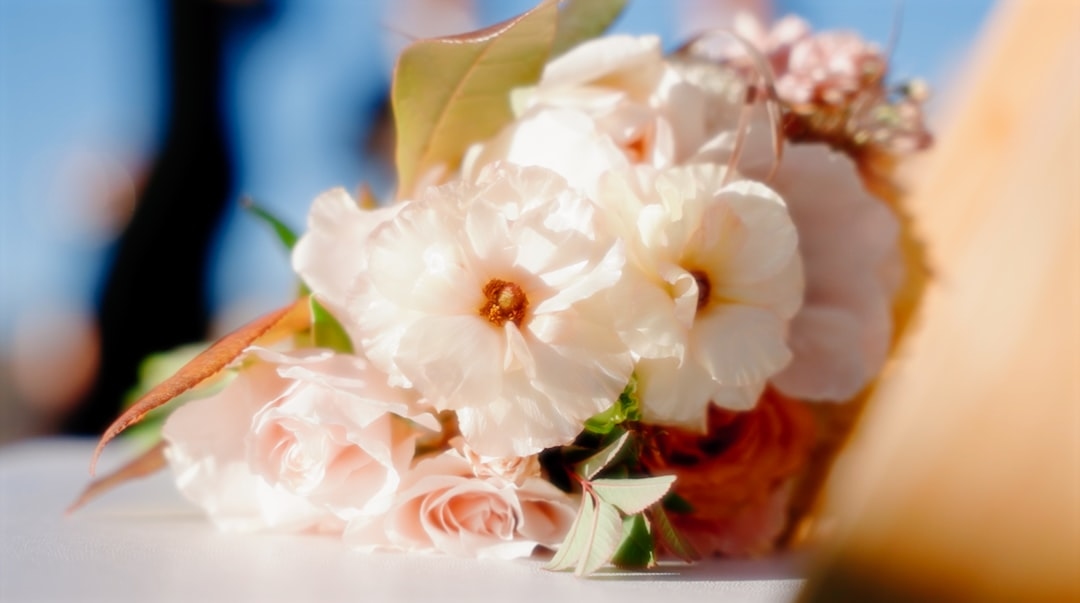
If you haven’t discovered ranunculus yet, February is your introduction. These layered, peony-like blooms come primarily from California growers (Lompoc and the Central Coast are major producers) and hit peak season from January through April. A single stem has dozens of paper-thin petals and lasts 7–10 days in a vase. Expect to pay $3–$5 per stem at specialty florists, or $15–$20 for a small bunch.
Anemones
Bold, graphic, and dramatic — anemones are a February secret weapon. The deep black center surrounded by vivid red, purple, white, or pink petals makes them look expensive even when they’re not. California-grown anemones peak February through April. They’re excellent for arrangements because they hold their shape well and mix with almost anything.
Hyacinths
The fragrance alone is worth it. Hyacinths are at their most abundant in February, with Dutch-grown bulbs flooding the market. A single stem can scent an entire room. They come in purple, pink, white, blue, and deep burgundy. At $2–$4 per stem, they’re a high-impact, low-cost addition to any arrangement.
Daffodils and Narcissus
Daffodils start appearing in February, especially in warmer growing regions like California and the Pacific Northwest. Paperwhite narcissus are available even earlier, often sold as forced bulbs. They symbolize rebirth and new beginnings — fitting for a month that’s already leaning toward spring. Buy stems with closed buds; they’ll open within a day or two of warmth.
Sweet Peas
Delicate, ruffled, and intensely fragrant, sweet peas are a February farmers market find worth hunting down. California growers produce them in winter, and specialty florists often stock them. They’re short-lived (4–6 days maximum), but their perfume and romantic look make the splurge worthwhile for special occasions.
Hellebores
Hellebores, sometimes called Lenten roses, are the slow bloom of late winter. They’re nodding, subtle flowers in dusty rose, deep plum, cream, and near-black that look like they belong in a botanical illustration. They’re not always easy to find in mainstream florists, but specialty shops and farmers markets carry them. Their vase life is shorter than other February flowers — about 5–7 days — but they’re unlike anything else in the floral calendar.
Waxflower and Flowering Branches
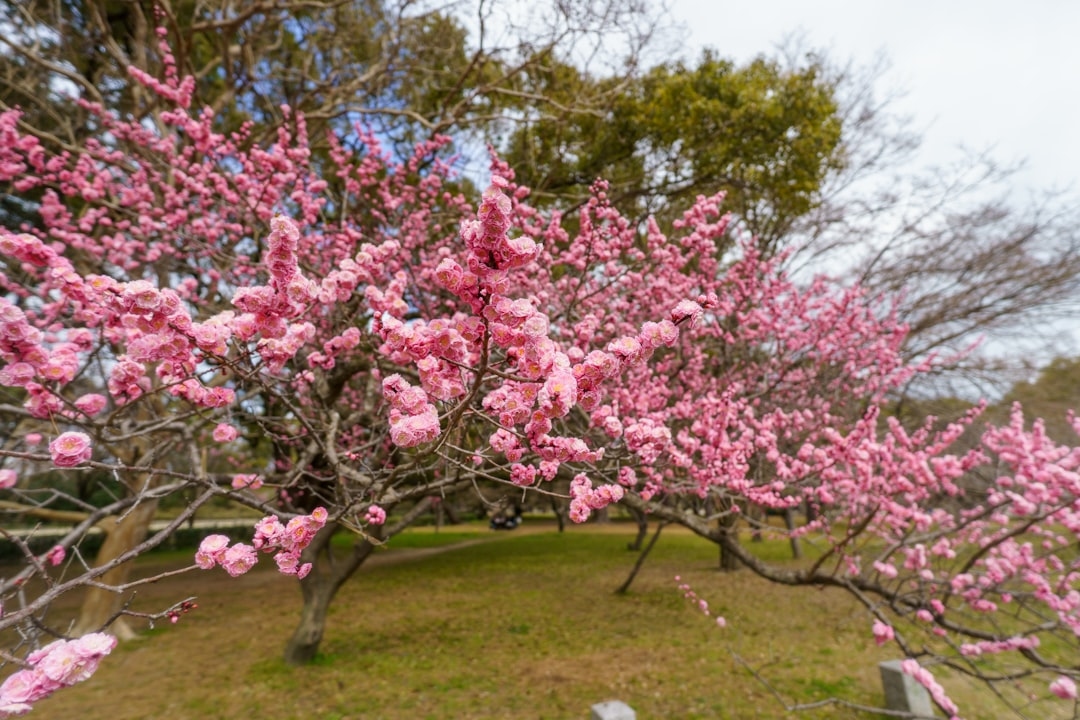
Don’t overlook filler flowers. Waxflower, available year-round but abundant in February, adds texture and subtle fragrance. Flowering branches — quince, cherry blossom, forsythia — can be forced indoors in February by cutting branches and placing them in warm water. Within one to three weeks, they’ll bloom ahead of schedule, adding a dramatic, sculptural element to arrangements for almost no cost if you have access to the outdoors.
What the Pros Know
💡 Florist Insider Tip: The best time to buy February flowers at the lowest prices is Tuesday or Wednesday morning. Weekend demand (especially around Valentine’s Day) drives prices up 30–60% at most retail florists. Buying mid-week means fresher stock, lower prices, and more variety. If Valentine’s Day falls midweek, shop the Saturday before — you’ll get comparable quality at nearly half the price.
Valentine’s Day Flowers vs. What’s Actually in Season
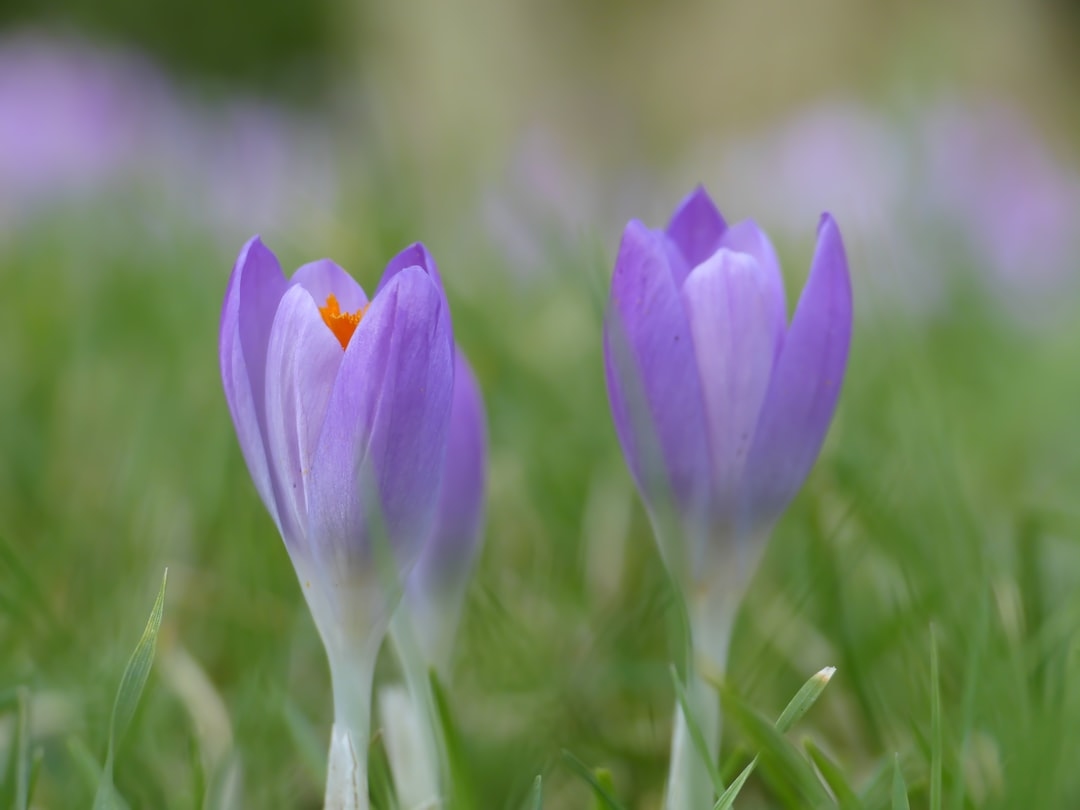
Here’s the tension every February: Valentine’s Day inflates the cost of roses — which are not particularly in season in February — while the flowers that are naturally in season get overlooked. Red roses in February are almost entirely imported from Colombia and Ecuador, meaning higher carbon footprint and prices that spike 40–80% in the two weeks before February 14th.
A ranunculus-and-anemone arrangement in deep red and burgundy costs a fraction of a dozen red roses and looks just as romantic, often more interesting. If roses are a must, consider blush or peach varieties, which aren’t subject to the same Valentine’s Day markup as red.
Common Mistakes to Avoid
- Buying open blooms: Flowers sold in full bloom have already used most of their vase life. Look for buds that are just beginning to open.
- Skipping the water change: Changing vase water every two days and re-cutting stems at an angle can add 3–5 days to a flower’s lifespan.
- Placing flowers near fruit: Ripening fruit emits ethylene gas, which accelerates petal drop. Keep arrangements away from the fruit bowl.
- Overpaying for out-of-season flowers: Peonies, garden roses, and sunflowers are not in season in February. If you want them, expect to pay a significant premium and accept shorter vase life.
- Ignoring grocery store flowers: Trader Joe’s, Whole Foods, and Costco often carry excellent in-season stems at 40–60% less than specialty florists. The quality difference is minimal for tulips, daffodils, and hyacinths.
Budget-Smart Ways to Build a February Arrangement
You don’t need a florist to build something beautiful. A simple formula: one focal flower, one textural element, one fragrant accent. For February, that might look like:
- Focal: 5 stems ranunculus (~$15–$20)
- Texture: 3 stems waxflower or eucalyptus (~$5–$8)
- Fragrance: 2 stems hyacinth (~$6–$8)
Total cost: under $35 for an arrangement that would run $80–$120 at a florist. The key is keeping the palette tight — two or three colors maximum — and letting the natural shapes of the flowers do the work.
“February is actually one of my favorite months to teach people about flowers,” says Mariela Voss, certified floral designer and horticulturist at the Chicago Botanical Society. “There’s this assumption that winter means nothing is growing, but the market is full of extraordinary options. Ranunculus and hellebores in February are just as stunning as peonies in June — people just haven’t been introduced to them yet.”
Growing February Flowers at Home (US Zones 7–10)
If you’re gardening in a warmer climate — Southern California, Texas, Florida, or the Southeast — some of these flowers are actually blooming in your garden right now. Ranunculus planted in fall are flowering in February in zones 8–10. Anemones, sweet peas, and snapdragons are outdoor bloomers in zone 9 and 10 through winter. For colder zones, forcing bulbs indoors (hyacinths, paperwhites, amaryllis) is the easiest way to have fresh flowers without the grocery store trip.
Frequently Asked Questions
What flowers are naturally in season in February?
Tulips, ranunculus, anemones, hyacinths, daffodils, narcissus, hellebores, sweet peas, and waxflower are all naturally in season in February in the US. Flowering branches like quince and forsythia can also be forced indoors to bloom early.
Are roses in season in February?
No — commercial red roses in February are almost entirely imported from Colombia and Ecuador. They’re widely available but not locally in season, which is why prices spike significantly around Valentine’s Day. Buying alternative blooms like ranunculus or anemones will save money and often last longer.
What is the cheapest flower to buy in February?
Tulips are typically the most affordable February flower, averaging $6–$12 for a bunch of 10 stems at grocery stores. Daffodils and hyacinths are also budget-friendly at $2–$4 per stem.
How long do February flowers last in a vase?
Vase life varies by flower: tulips last 7–10 days, ranunculus 7–10 days, hyacinths 5–7 days, anemones 5–7 days, and sweet peas 4–6 days. Changing water every two days and keeping flowers away from heat sources and fruit extends their life significantly.
Where can I buy in-season February flowers on a budget?
Grocery stores like Trader Joe’s, Whole Foods, and Costco carry excellent in-season stems at 40–60% less than specialty florists. Local farmers markets are also worth checking, especially for ranunculus, hellebores, and sweet peas that smaller growers bring in winter.
Plan Your February Flowers Now
The best move you can make is to stop defaulting to roses in February and start thinking about what’s actually thriving right now. A bunch of ranunculus, a few stems of hyacinth for fragrance, and some waxflower for texture — that’s a genuinely beautiful arrangement for under $30, made entirely from flowers that are in their prime this month.
Next time you’re near a farmers market or grocery store, take five minutes to look at what’s actually on the shelves instead of reaching for habit. February flowers in season reward the curious shopper every single time. Spring is building beneath the surface — you might as well bring some of it inside.