Contents:
- The Real Reason Indoor Flowers Fruit Flies Are a Problem
- What’s Actually Attracting Them to Your Plants
- Overwatered or Perpetually Damp Soil
- Decomposing Petals and Organic Debris
- The Potting Mix Itself
- Seasonal Patterns: When to Expect Infestations
- How to Get Rid of Fruit Flies Around Indoor Plants
- Fix the Environment First
- Traps and Physical Controls
- Soil Treatments
- Quick Cost Breakdown
- Fruit Flies vs. Fungus Gnats: Don’t Treat the Wrong Pest
- Frequently Asked Questions
- Why do fruit flies appear so quickly around fresh flowers?
- Can fruit flies damage my houseplants?
- Does the type of flower matter?
- How long does it take to eliminate a fruit fly infestation?
- Are fruit flies harmful to humans?
- What to Do Starting Today
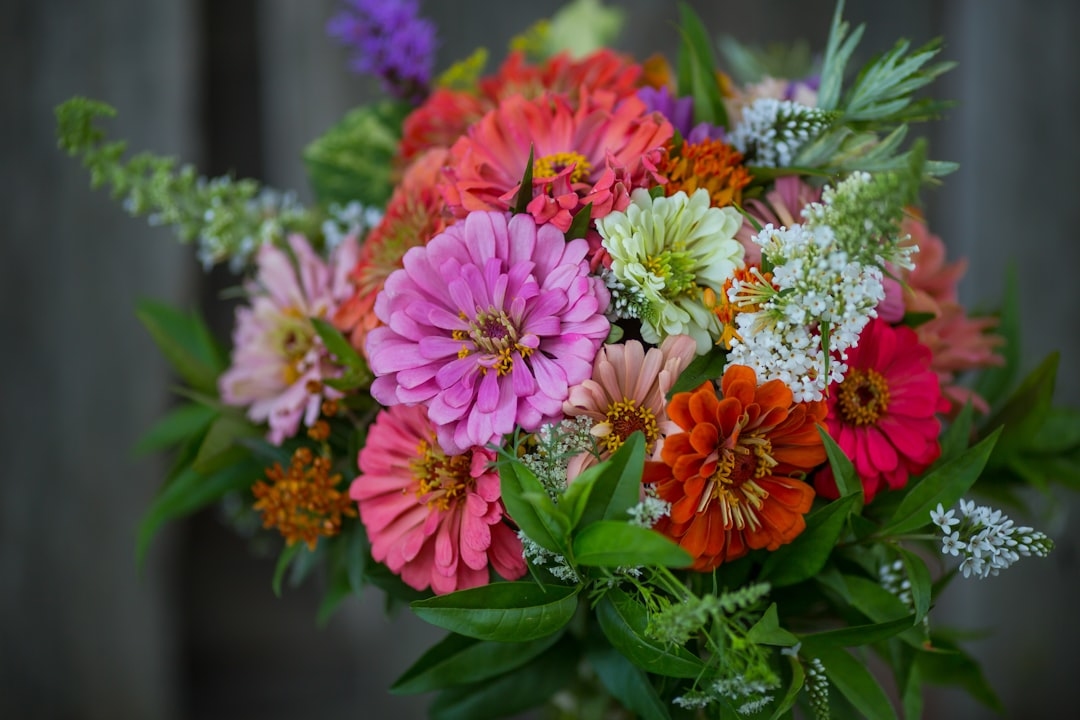
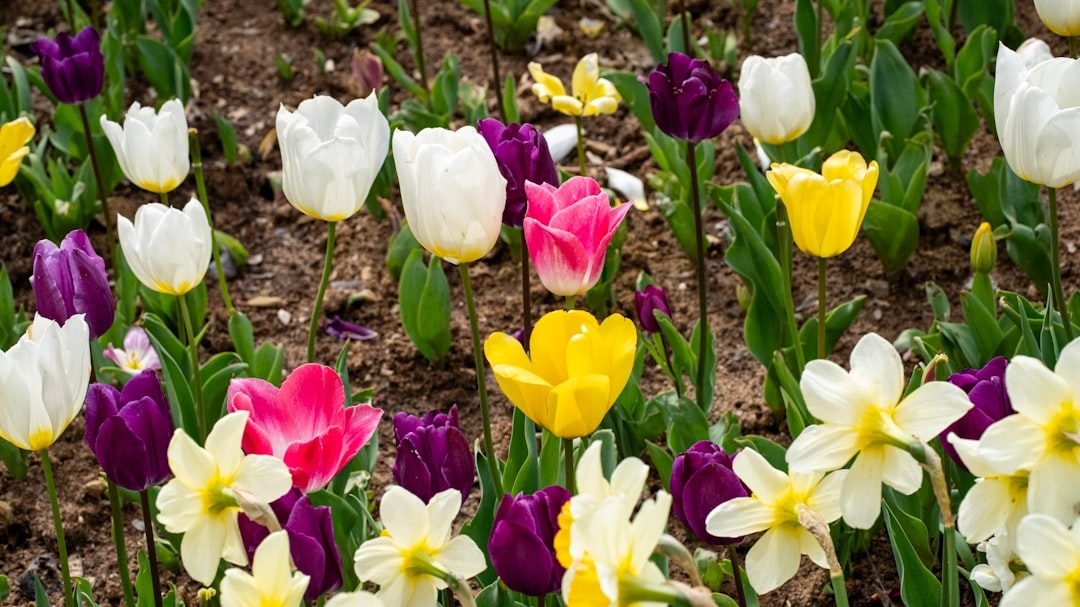
You set a fresh bouquet on the kitchen counter — maybe some grocery store tulips or a potted peace lily from the windowsill — and within 48 hours, a small cloud of tiny insects is hovering around it. Annoying doesn’t cover it. Before you blame the flowers themselves, though, it helps to understand what’s actually going on at a biological level. The answer involves soil, moisture, decaying organic matter, and the surprisingly sophisticated sensory systems of a very small fly.
The Real Reason Indoor Flowers Fruit Flies Are a Problem
Fruit flies (Drosophila melanogaster and related species) are not attracted to flowers because they want nectar. They’re attracted to fermentation and decay. When flower petals drop and begin decomposing in standing water, or when potting soil stays consistently moist, the resulting microbial activity produces ethanol and acetic acid — the same compounds found in overripe fruit and vinegar. To a fruit fly, that smell is a dinner bell.
Fungus gnats are frequently confused with fruit flies in this context, and the distinction matters for treatment. Fungus gnats (Bradysia spp.) are slightly longer, darker, and spindlier, with a more erratic, low-to-the-ground flight pattern. They breed almost exclusively in moist soil. Fruit flies are rounder, tan to brown in color, and tend to hover at counter height near organic matter. Both can appear around houseplants, but their breeding sites differ — and so do the solutions.
What’s Actually Attracting Them to Your Plants
Overwatered or Perpetually Damp Soil
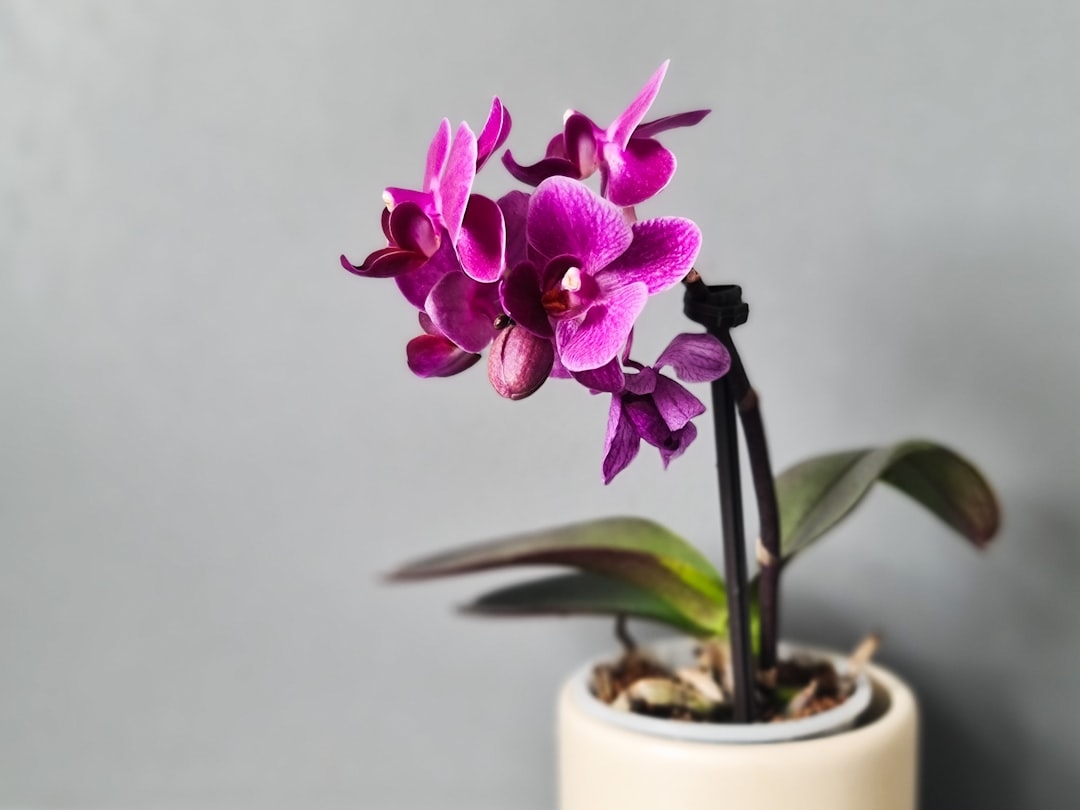
Soil that stays wet longer than 24–48 hours after watering creates ideal conditions for the yeast and mold that fruit flies feed on. A study published in PLOS ONE found that Drosophila can detect fermentation volatiles at concentrations as low as a few parts per billion. Your soggy potting mix is essentially a scent beacon. Most indoor flowering plants — African violets, begonias, anthuriums — prefer to dry out slightly between waterings. Consistent overwatering is the single most common cause of fruit fly infestations around indoor flowers.
Decomposing Petals and Organic Debris
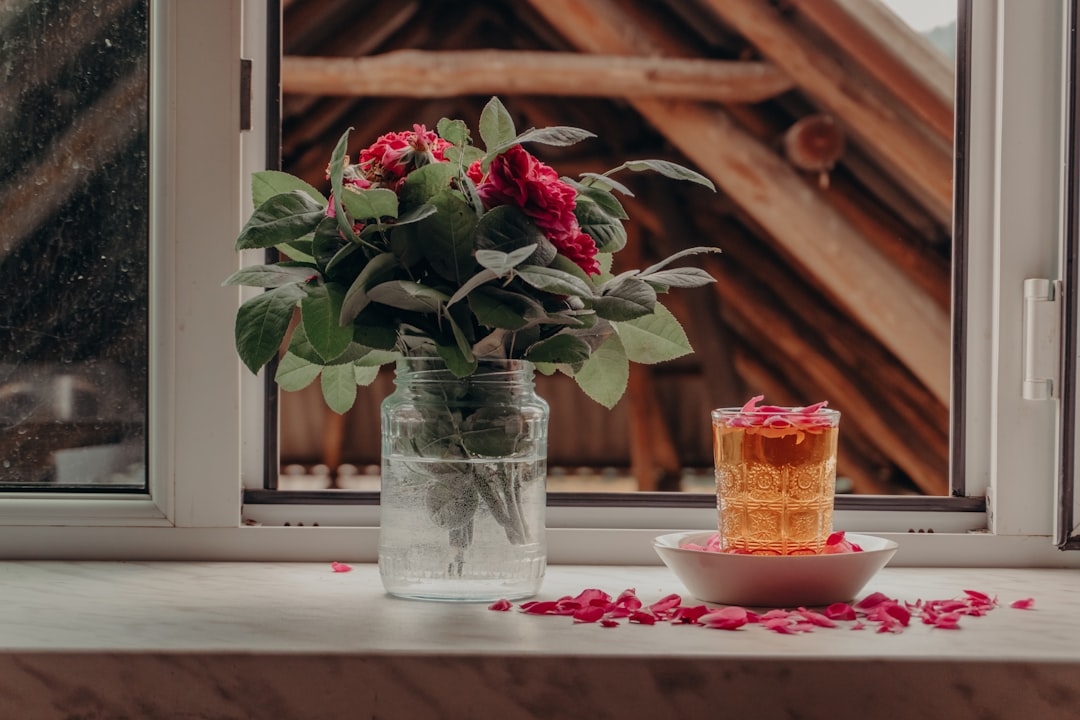
Dead or fallen petals sitting in a saucer of water decompose rapidly at room temperature. Within 24 hours, microbial breakdown begins producing the volatile compounds that attract flies. Cut flower arrangements are especially prone to this because the water in the vase becomes increasingly rich in decaying plant matter. Changing vase water every two days and removing spent blooms promptly eliminates a major attractant.
The Potting Mix Itself
Many commercial potting soils contain composted bark, peat, or wood chips — all of which can harbor fungus gnat larvae and serve as a nutrient source for fruit flies. Soils with a high organic content (anything marketed for “moisture retention”) are particularly attractive. If you’re repotting, consider mixing standard potting soil with 20–30% perlite to improve drainage and reduce the appeal to pests.
Seasonal Patterns: When to Expect Infestations
Fruit fly populations follow predictable seasonal rhythms, even indoors. In the US, infestations peak between late July and October, when outdoor populations are at their highest and windows are more frequently opened. A second, smaller spike often occurs in late winter (February–March) when overwintered houseplants are pushed back toward windows for more light — just as indoor heating has been drying out the air and encouraging compensatory overwatering.
- Spring (March–May): Low risk. Watch newly purchased plants for hitchhiking larvae in soil.
- Summer (June–August): Moderate to high risk. Keep screens intact and reduce organic debris.
- Fall (September–October): Highest risk. Outdoor populations migrate indoors as temperatures drop.
- Winter (November–February): Lower risk, but overwatering in low-light conditions can sustain indoor populations year-round.
How to Get Rid of Fruit Flies Around Indoor Plants
Fix the Environment First
No trap or spray will solve a fruit fly problem if the conditions attracting them remain unchanged. Let potting soil dry to at least 1–2 inches depth before watering again. Remove fallen petals daily. Empty and clean saucers weekly. For cut flowers, add a drop of bleach (roughly 1/4 teaspoon per quart of water) to slow bacterial growth in vase water without harming the blooms.
Traps and Physical Controls
Apple cider vinegar traps are effective and essentially free to make: fill a small glass with an inch of apple cider vinegar, add a drop of dish soap to break surface tension, and cover with plastic wrap punctured with small holes. Commercial sticky traps (yellow cards designed for fungus gnats) also catch fruit flies and cost roughly $6–$10 for a pack of 30.
Soil Treatments
For persistent problems rooted in the soil, Bacillus thuringiensis israelensis (Bti) — sold as Mosquito Bits — can be watered into the soil to kill larvae. A standard 30-oz bag costs around $12–$15 and treats multiple pots. It’s non-toxic to people, pets, and plants. Alternatively, a 1/2-inch layer of coarse sand or decorative gravel on top of the soil deters egg-laying females by creating a dry, inhospitable surface layer.
Quick Cost Breakdown
- DIY vinegar trap: ~$0 (uses pantry supplies)
- Yellow sticky traps: $6–$10 for a 30-pack
- Mosquito Bits (Bti): $12–$15 per 30-oz bag
- Perlite for soil amendment: $8–$12 per 8-qt bag
- Total for a comprehensive approach: under $30
Fruit Flies vs. Fungus Gnats: Don’t Treat the Wrong Pest
Misidentifying the pest leads to wasted money and continued frustration. Here’s a quick field guide:
- Fruit flies: Tan/brown, round body, red eyes, hover near food and flowers, breed in fermenting organic matter
- Fungus gnats: Dark gray/black, slender, erratic low flight, breed exclusively in moist soil, larvae damage plant roots
If the flies scatter when you disturb the soil, they’re almost certainly fungus gnats. If they hover near vase water or fruit on the counter, you’re dealing with fruit flies. Some households have both simultaneously, requiring a two-pronged approach.
Frequently Asked Questions
Why do fruit flies appear so quickly around fresh flowers?
Fruit flies can detect fermentation odors from significant distances and reproduce rapidly — a female lays up to 500 eggs in her lifetime, with larvae hatching in as little as 24 hours at room temperature. If conditions are right, a small existing population can appear to “explode” around a new floral arrangement within two to three days.
Can fruit flies damage my houseplants?
Adult fruit flies do not directly damage plants. However, their presence often signals overwatering or decaying organic matter, both of which can harm plant health. Fungus gnat larvae, sometimes confused with fruit flies, do cause root damage — another reason correct identification matters.
Does the type of flower matter?
Strongly scented flowers that also produce significant nectar — like gardenias or certain lilies — can attract more flies than odorless varieties. However, the bigger driver is almost always the condition of the soil or water, not the flower species itself.
How long does it take to eliminate a fruit fly infestation?
With consistent environmental corrections and trapping, most indoor infestations resolve within two to three weeks. Fruit flies have a complete life cycle of roughly 8–10 days at 77°F, so breaking the reproductive cycle requires sustained effort across at least two generations.
Are fruit flies harmful to humans?
Fruit flies are not known to bite or transmit disease to humans in typical household settings. They are, however, capable of transferring bacteria from decaying matter to food surfaces, making prompt control a reasonable hygiene measure.
What to Do Starting Today
Check your plants right now. Press your finger an inch into the soil — if it comes out wet, hold off on watering. Remove any dropped petals from saucers or vase water. Set out a vinegar trap tonight. These three steps cost nothing and address the root causes directly.
The longer-term fix is a watering discipline shift. Most indoor flowering plants are killed by kindness — specifically, too much water. Letting soil approach dryness between waterings isn’t neglect; it’s good horticulture, and it happens to make your home far less hospitable to fruit flies in the process. Start there, and the flies will have fewer reasons to stay.